


Uncertain about the Exam System and Curriculum: Get to know examination pattern and syllabus including preliminary, mains, and interview levels. Know in detail what each subject and stage entails. Develop a Study Schedule: Create a reasonable duration for all subjects which should involve time for rRead more
Uncertain about the Exam System and Curriculum: Get to know examination pattern and syllabus including preliminary, mains, and interview levels. Know in detail what each subject and stage entails.
Develop a Study Schedule: Create a reasonable duration for all subjects which should involve time for revision as well as practice. Come up with your daily, weekly, and monthly goals. Read Books and Materials Prescribed by Board: Follow recommended books related to each subject among standard textbooks. Current affairs magazines and online resources enhance your reading materials.
Keep Track of Current Affairs:
Go through newspapers on a regular basis while also following reliable news sources.
What happened during these events? What do they mean for the exam course?
Take Notes Regularly While Also Revising Often: Prepare short notes for each topic using minimum words possible.
Regular review is very important in remembering things better as well as understanding them deeply
Practice Writing Skills: To improve your answer writing skills solve previous year’s papers & take mock tests on it. Concentrate on being clear, having good structure, expressing oneself properly
Join Coaching or Online Courses (if needed): Consider joining coaching classes or taking online courses to be guided in an organized manner.Engage yourself into group discussions with fellow mates.
See less


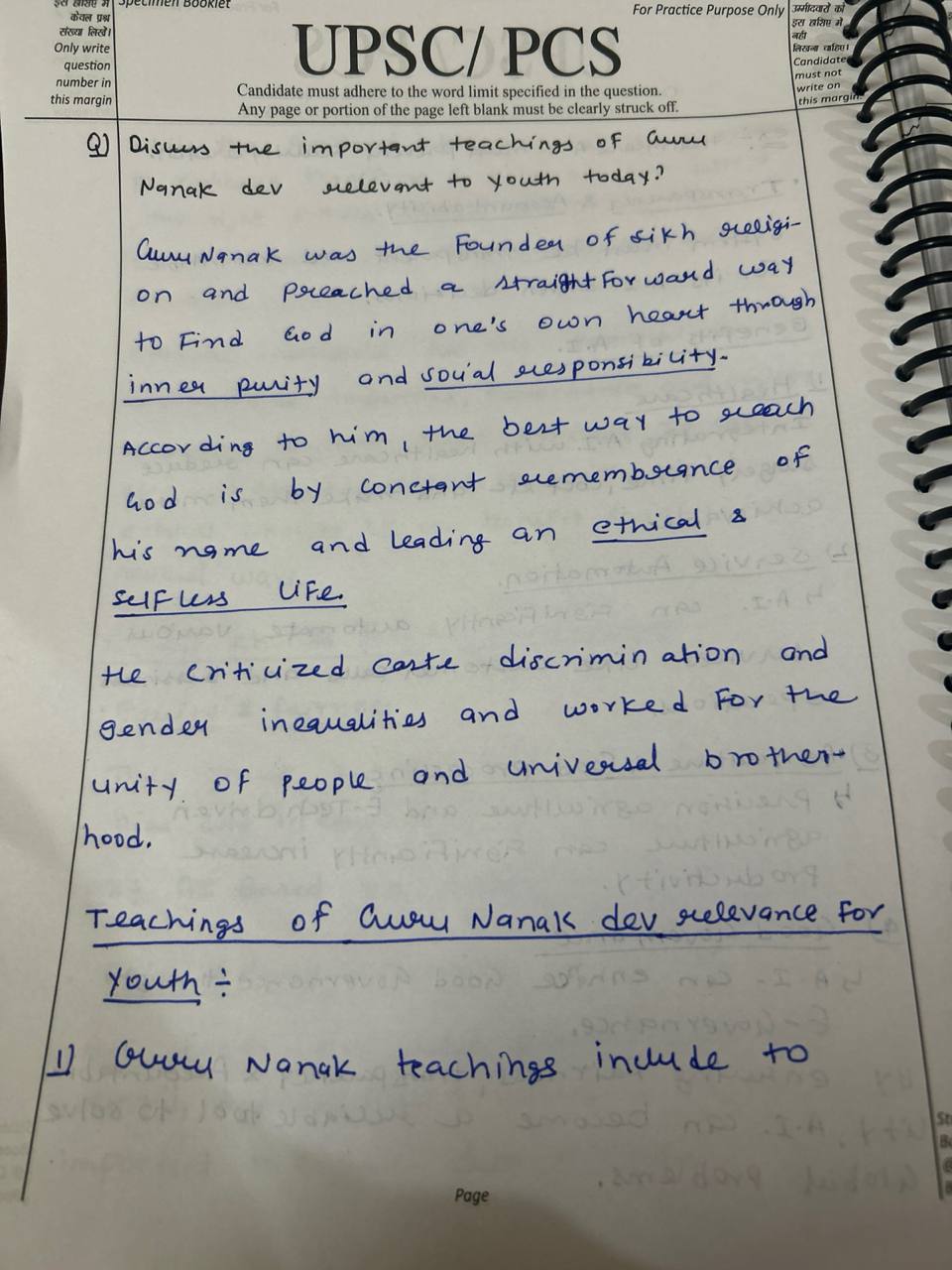
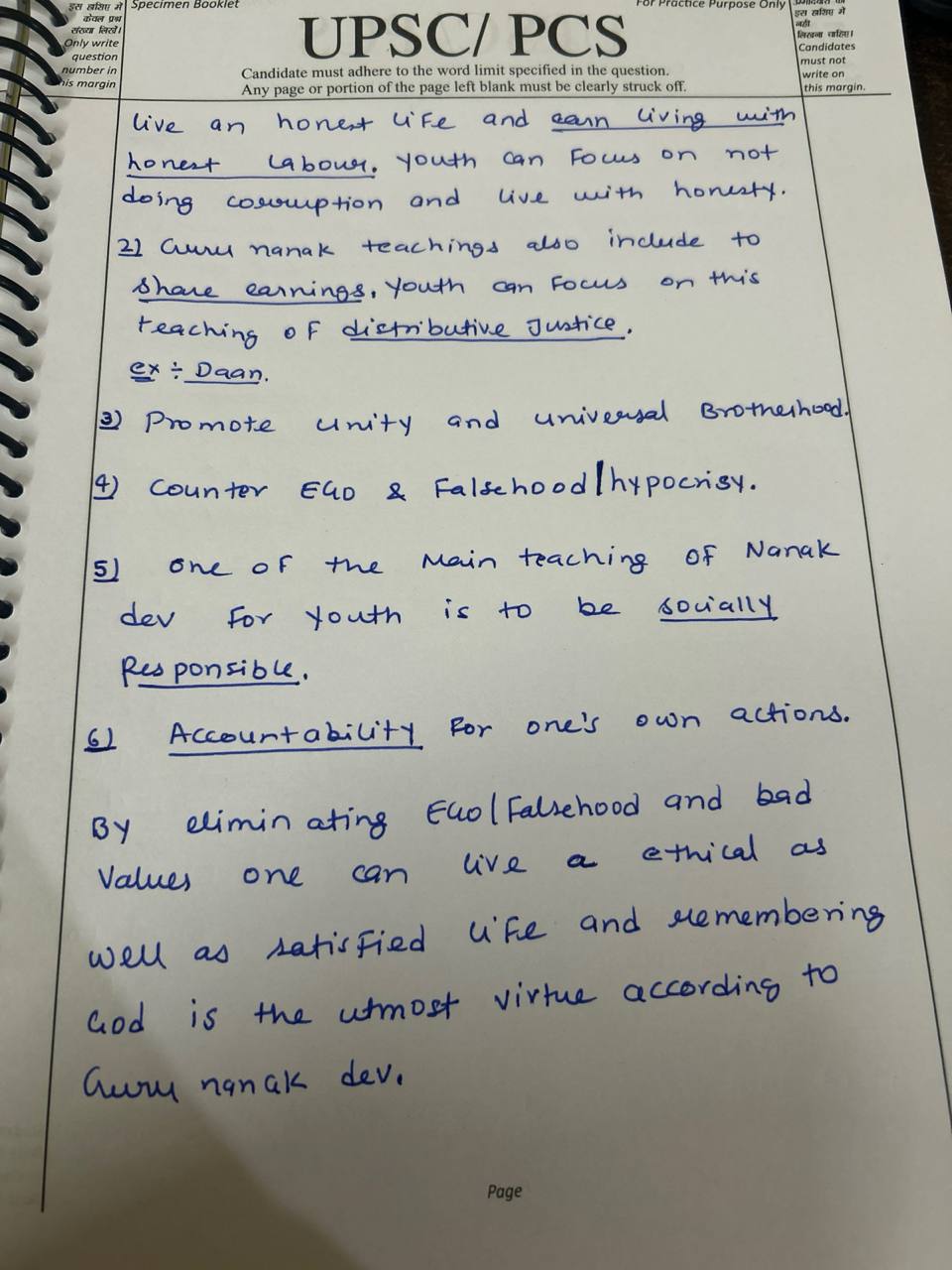


The Phrase that "Discrimination is in our blood" readily implies that it is something hard-wired in human nature. Although this is true to a great extent—that humans have the tendency to organize, segregate information, and thus, differentiate on the basis of various attributes like race, gender, agRead more
The Phrase that “Discrimination is in our blood” readily implies that it is something hard-wired in human nature. Although this is true to a great extent—that humans have the tendency to organize, segregate information, and thus, differentiate on the basis of various attributes like race, gender, age, and so on—it is also important to know how to differentiate natural propensity from socially constructed behaviors.
Psychologically and sociologically:
1. Evolutionary Psychology: Some argue that humans were evolutionarily programmed to quickly put people into categories as a human survival mechanism. This provided the early humans with the ability to rapidly see who was friend and who was foe. It may have created an evolutionary predisposition toward those who are like us and distrust of those who are different.
2. Socialization: Much of what we view as discriminatory behavior we learn through socialization. Family, media, peers, and institutions were those who taught us the norms, values, and biases. These learned behaviors can turn out to reinstate and perpetuate discrimination.
3. Cultural Context: Discrimination varies a lot from one culture to another and throughout history. What in one context is perceived to be discriminative might not be so in another, hence it suggests that much of this behavior is culturally determined as opposed to being biologically disposed.
4. Malleability: Human behavior is very easily modifiable. Whereas we might have some hard-wired tendencies, we are also capable of empathy, insight, and change. Education, awareness, and policy have an enormous potential for reducing discriminatory behaviors.
5. Moral and Ethical Responsibility: Notwithstanding any natural tendency, we have the moral and ethical responsibility to struggle for equality and justice. Inequities and biased behaviors are recognized and challenged as a part of building a society that is fairer and more inclusive.
Somehow, while the roots of in-group favoritism may be partially related to evolutionary factors, discrimination in the form it occurs today is essentially of social and cultural origin. This means that it is also within our powers to change with education, policy, and personal responsibility.
See less