

Talk about the claim that “Yoga is a complex art form that harmonizes the mind, body, and soul” rather than just a physical type of exercise. Consider its cultural significance as a spiritual and health-promoting activity in India and globally.
Mains Answer Writing Latest Questions

Dhruv MehtaBegginer
Explain the following statement: “Kathakali is a unique mix of drama, expression, and storytelling; it is not just a dance form.” In what way does it embody India’s rich cultural diversity?



Can anyone brief about “Music Therapy” for health improvement ? Like which instrument has what effect on mind and body or other aspects of it which is very useful?
-
MUSIC - THE NATURAL MEDICINE MUSIC, a simple word of 5 letters, but a word which can bring a great impact on Human lives. Music therapy is one of the best medicines for stress relief. Music doesn't necessarily mean the composition of voices and tones, everything around us can be music. Listen cRead more
MUSIC – THE NATURAL MEDICINE
MUSIC, a simple word of 5 letters, but a word which can bring a great impact on Human lives. Music therapy is one of the best medicines for stress relief. Music doesn’t necessarily mean the composition of voices and tones, everything around us can be music. Listen carefully to the voices around you, the nature or even the voice of streams and running water, everything has got it’s own rhythm which heals our body and mind.
Research has shown that music therapy can have a positive impact on overall well-being. It can reduce anxiety and depression, improve communication skills, foster emotional expression, and enhance quality of life. Therapists may engage clients in various activities such as listening to music, singing, playing instruments, songwriting, or improvisation. The choice of method depends on the client’s needs and goals.
Along with these, music therapy can have its own flaws. Responses to music can vary widely among individuals. What works effectively for one person may not have the same effect on another. Finding the right approach and type of music for each client can be challenging.Effective music therapy requires specialized training and expertise. In some regions or settings, there may be a shortage of qualified music therapists, leading to variability in the quality of care provided.
As said, music therapy is the best natural medicine one can get. With very few demerits, music therapy have proven itself to the world being versatile and dependable.
See less


Provide a synopsis of the Indian philosophical schools. (Answer in 200 words)
-
Indian philosophy encompasses several schools of thought that have evolved over thousands of years. Here's a brief overview of the main schools: 1. *Vedanta* (800 BCE - 200 CE): Focuses on the ultimate reality (Brahman) and the self (Atman). Sub-schools include Advaita (non-dualism), VishishtRead more


Indian philosophy encompasses several schools of thought that have evolved over thousands of years. Here’s a brief overview of the main schools:
1. *Vedanta* (800 BCE – 200 CE): Focuses on the ultimate reality (Brahman) and the self (Atman). Sub-schools include Advaita (non-dualism), Vishishtadvaita (qualified non-dualism), and Dvaita (dualism).
2. *Yoga* (500 BCE – 1500 CE): Emphasizes physical, mental, and spiritual disciplines to unite the individual self (Jiva) with the universal self (Brahman).
3. *Nyaya* (600 BCE – 1000 CE): Concerned with logic, epistemology, and metaphysics, aiming to understand reality through reason and debate.
4. *Vaisheshika* (600 BCE – 1000 CE): Focuses on the nature of reality, including the existence of atoms and the universe.
5. *Mimamsa* (600 BCE – 1000 CE): Explores the nature of dharma (duty) and the interpretation of sacred texts.
6. *Buddhism* (563 – 483 BCE): Emphasizes the Four Noble Truths and the Eightfold Path to achieve enlightenment and end suffering.
7. *Jainism* (599 – 527 BCE): Focuses on non-violence, self-control, and liberation from the cycle of rebirth.
8. *Charvaka* (600 BCE – 1000 CE): A materialistic school that rejects the idea of an afterlife and emphasizes sensual pleasure.
9. *Lokayata* (600 BCE – 1000 CE): A hedonistic school that advocates for the pursuit of pleasure and rejects religious and moral authority.
These schools have contributed significantly to Indian thought, influencing spirituality, ethics, and daily life.
See less

Gaurav ReddyBegginer
In what ways do the Ajanta Caves represent the political and social climate of their day? Examine how sculpture and painting are used in this setting to convey stories.
-
HIGHLIGHTING THE FEATURES OF TUGHLAQ ARCHITECTURE The Tughlaq dynasty also known as Tughluq or Tughluk dynasty was the third dynasty to rule over the Delhi sultanate in medieval India. Its reign started in 1320 in Delhi when Ghazi Malik assumed the throne under the title of Ghiyath al-Din Tughluq. TRead more
HIGHLIGHTING THE FEATURES OF TUGHLAQ ARCHITECTURE
The Tughlaq dynasty also known as Tughluq or Tughluk dynasty was the third dynasty to rule over the Delhi sultanate in medieval India. Its reign started in 1320 in Delhi when Ghazi Malik assumed the throne under the title of Ghiyath al-Din Tughluq. The dynasty ended in 1413.
ORAGIN
The etymology of the word Tughlaq is not certain. Literary, numismatic and epigraphic evidence makes it clear that Tughlaq was not an ancestral designation, but the personal name of the dynasty’s founder Ghazi Malik.
HISTORY
RISE TO POWER
The Khalji dynasty ruled the Delhi Sultanate before 1320. Its last ruler, Khusro Khan, was a Hindu slave who had been forcibly converted to Islam and then served the Delhi Sultanate as the general of its army for some time. Khusro Khan, along with Malik Kafur, had led numerous military campaigns on behalf of Alauddin Khalji, to expand the Sultanate and plunder non-Muslim kingdoms in India.
CIVIL WAR
The first civil war broke out in 1384 AD four years before the death of aging Firoz Shah Tughlaq, while the second civil war started in 1394 AD six years after Firoz Shah was dead. The Islamic historians Sirhindi and Bihamadkhani provide the detailed account of this period. These civil wars were primarily between different factions of Sunni Islam aristocracy, each seeking sovereignty and land to tax dhimmis and extract income from resident peasants.
Timur’s Invasion
The lowest point for the dynasty came in 1398, when Turco-Mongol invader, Timur (Tamerlane) defeated four armies of the Sultanate. During the invasion, Sultan Mahmud Khan fled before Tamerlane as he entered Delhi. For eight days Delhi was plundered, its population massacred, and over 100,000 prisoners were killed as well.
See less

Dhruv MehtaBegginer
Explain how India’s folk dances represent the diversity of the country. In what ways do various dance styles serve as a cultural archive for particular societies?
-
This answer was edited.
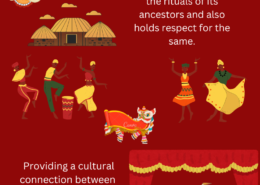
Introduction: A folk dance is a dance developed by people that reflect the life of the people of a certain country or region. Not all ethnic dances are folk dances. It is a reflection of the culture and history of the people who perform it. They serve not just as art forms but as cultural repositoriRead more
Introduction:
A folk dance is a dance developed by people that reflect the life of the people of a certain country or region. Not all ethnic dances are folk dances. It is a reflection of the culture and history of the people who perform it. They serve not just as art forms but as cultural repositories for specific communities.Example: Kuchipudi(Andra Pradesh) , Yakshgan,Kunitha,Karga (Karnataka),Mohiniattam(Kerala) ,etc.Body:Regional Diversity Reflected in Folk Dance Forms of India in the following ways:- Garba (Gujarat): Garba is an essential part of Gujarati cultural life, especially during the Navratri festival. This dance form encapsulates the essence of Gujarat, from its agrarian society to its deeply-rooted spirituality.
- Bhangra (Punjab): Bhangra has its roots in the agricultural community of Punjab and is traditionally performed during Baisakhi, a festival marking the new harvest. It captures the vigorous spirit and industrious nature of the Punjabi people.
- Ghoomar (Rajasthan): This graceful dance form, mostly performed by Rajasthani women during special occasions, is deeply entrenched in the state’s royal history and traditions.
- Chhau (Jharkhand, West Bengal, and Odisha): This tribal martial dance integrates elements of combat into its choreography and often narrates stories of valor. Chhau mirrors the martial traditions and local folklore of these regions.
- Dandiya Raas (Gujarat): Dandiya Raas involves a pair of decorated sticks and is performed during the festival of Navratri. It reflects the state’s communal harmony and vibrant festive culture.
Ways in which these Dance forms act as a Cultural Repository for Specific Communities:
- Marital Rites: Lavani isn’t just entertainment; it’s part of the cultural rites during weddings in Maharashtra. By narrating tales of love and valour , it complements the marital ceremony, capturing the essence of conjugal life and cultural expectations.
- Gender Roles: Ghoomar serves as an epitome of traditional gender roles in Rajasthani society. It’s not just women who dance; it’s often the new brides being welcomed into households or women bidding farewell to their brothers, celebrating women’s roles in the community.
- Social Cohesion : Garba isn’t merely a dance, it’s a social institution. Conducted during Navratri, Garba nights draw communities together. The circular formation of dancers is symbolic, representing a community that stands united.
- Youth Engagement: Dandiya Raas acts as a cultural bridge. While older generations see it as a traditional expression, the younger generation engages with it as a form of social interaction. This ensures that cultural traditions are not just preserved but also adapted and passed down.
- Civic Awareness: Chhau transcends the boundaries of mere performance art by often tackling social issues through its narrative. Whether it is educating about gender equality or highlighting issues of social justice, it becomes a medium for communal education and activism.
- Seasonal Changes: Dances like Bihu in Assam are not just folk expressions; they serve to celebrate the seasonal cycles, crucial to agrarian societies. It marks the Assamese New Year heralding the onset of the harvest season, underscoring the connect with nature.
- Agricultural Celebrations: Bhangra isn’t just a festive dance; it’s a celebration of agricultural success. Performed during Baisakhi, it reinforces the community’s agricultural roots, bringing farmers and families together to celebrate their hard work and subsequent harvest.
Conclusion :
Dance that has developed without a choreographer and that reflects the traditional life of the common people of a country or region. They are the heartbeat of India’s cultural heritage. By embracing and celebrating these traditions, we keep our history alive.
See less


Prakher SinghBegginer
The architecture of the ancient Harappans reflects the existence of a contemporary urban culture. Talk about it with examples. (Answer in 200 words)
-
The Harappan Civilization also known as the Indus Valley civilization is known to be a great civilization reflecting the modern as well urban civilization : THE DRAINAGE SYSTEM : Herein each household had a horizontal and vertical drainage system connecting it to the main road drain system There weRead more
The Harappan Civilization also known as the Indus Valley civilization is known to be a great civilization reflecting the modern as well urban civilization :
THE DRAINAGE SYSTEM : Herein each household had a horizontal and vertical drainage system connecting it to the main road drain system There were underground drains shieled the stone slabs for the streets maintaing the sanitataion in the city of Harappa .
GREAT BATH : This structure was there in the Harappan city which was having a 180 feet structure wherein water could be filled up and empted up, similar to the modern day swimming pools . It was overall a structured system built for the people of Harappa .
CITADEL : The larger cities in Harappa were divided up into CITADEL having a elevated structure. The eastern part of the town was meant for the residential area .
Overall the whole city, culture , trade was very modern and urbanized in character at Harappa .
See less

Gaurav ReddyBegginer
Explain the engineering and aesthetic concepts that went into building Indian temples. Evaluate the importance of the iconography, sculptures, and inscriptions found in Indian temple construction.
-
Indian temple architecture is an intricate blend of religious devotion, aesthetic beauty, and engineering ingenuity. Developed over millennia, it incorporates a variety of styles, such as Nagara, Dravida, and Vesara, which differ based on regional influences and historical periods. Aesthetic and engRead more
Indian temple architecture is an intricate blend of religious devotion, aesthetic beauty, and engineering ingenuity. Developed over millennia, it incorporates a variety of styles, such as Nagara, Dravida, and Vesara, which differ based on regional influences and historical periods.
Aesthetic and engineering principles underlying the construction of Indian temples
Aesthetic Principles:
- Symmetry and Proportions: It creates a visual and spiritual harmony that invites devotees into a balanced, divine space. Eg: temples like Brihadeshwara where temple layout, the vimana (tower), and even the smallest architectural elements are based on rigorous mathematical calculations.
- Ornamentation: The sculptures, frescoes, and carvings found in temples like those at Khajuraho serve more than mere decorative purposes. They encapsulate mythological stories, religious doctrines, and even social customs of the time.
- Spatial Harmony: Temples such as the Sun Temple in Konark are often strategically placed to harmonize with their natural surroundings. They are usually designed in alignment with celestial bodies reflecting a deep understanding of astronomy.
- Integration of Arts: In temples like the Meenakshi Temple in Madurai, the integration of various art forms serves a higher aesthetic function. Music and dance are often an intrinsic part of temple rituals, and the architecture itself serves as a canvas for visual storytelling through art.
Engineering Principles in Indian Temple Construction:
- Material Selection: The choice of materials, such as the soft soapstone used in the Hoysala temples, was a highly calculated decision based on the region’s geography and climate. As it serves functional requirements like durability and ease of carving.
- Load-Bearing Structures: In temples like the Kailasa Temple in Ellora, which are rockcut structures, immense engineering expertise is required to carve a massive structure out of a single rock without compromising its stability, shows understanding the mechanics stress distribution.
- Acoustics: Acoustic engineering was a significant consideration in temple designs. Eg: Within the Vijaya Vittala Temple in Hampi has 56 pillars, each 3.6 metres high, which when gently tapped produce delicate musical notes. It demonstrates an advanced understanding of sound engineering.
- Water Management: Temples like the Golden Temple in Amritsar incorporate water bodies for multiple purposes, such as ritualistic use and temperature control. The strategic placement of these water bodies showcase the builders’ keen understanding of water management and hydraulics.
Significance of Inscriptions, Sculptures, and Iconography Inscriptions:
- Historical Record: Inscriptions act as a frozen moment in history, offering scholars and researchers invaluable insights. For instance, Sabha Mandapa of Sundara Varadaraja Temple contains the inscription of rules made by Parantaka Chola I for the proper management of village committees.
- Donor Information: Temples often record the names and details of their benefactors in inscriptions, as seen in the Thanjavur temple. These inscriptions not only commemorate the donors but also help researchers understand the socio-economic landscape of the period.
- Religious Texts: Verses from sacred scriptures like the Vedas or the Bhagavad Gita are often inscribed on temple walls, serving as daily reminders of spiritual wisdom. In the Jagannath Temple of Puri, one can find verses inscribed that evoke the essence of devotion.
- Legal and Social Norms: Some temples contain inscriptions that shed light on the societal rules of the time. The inscriptions at the Ranganatha temple in Srirangam, for instance, provide information about the then-prevailing administrative and legal systems.
Sculptures:
- Depicting Deities: Sculptures often serve as the central point for worship, offering tangible forms to abstract divinities. The Nataraja sculpture at the Chidambaram Temple is a prime example, representing Shiva as the cosmic dancer.
- Mythological Stories: Sculptures often depict tales from scriptures, serving an educational purpose. The panels at the Ramanathaswamy temple in Rameswaram, for example, visually narrate episodes from the Ramayana.
- Symbolism: Symbols like the Yali, a mythical creature often seen in Chola temples, are intricately carved to serve as protectors of the temple and represent fearsome power.
Iconography:
- Divine Representation: Iconographic details often outline the specific attributes and aspects of deities, serving both artistic and theological purposes. For instance, the Dashavatara panels in many temples depict the ten principal incarnations of Vishnu.
- Cultural Unification: The iconography in temples often transcends regional and linguistic barriers, unifying diverse groups under the umbrella of a shared cultural and religious narrative, as seen in the widespread depiction of deities like Durga or Krishna across various regions.
- Educational Purpose: Iconography often serves as a visual guide to the teachings of scriptures and philosophies, making these teachings accessible to those who may not be literate.
Indian temple architecture is a symphony of aesthetics, engineering, and cultural storytelling. It serves multiple roles from being a spiritual sanctuary to a historical document, all while being a testimony to the architectural prowess and artistic vision of its creators. It’s a comprehensive discipline that encapsulates the very essence of India’s rich cultural heritage.
See less


Manju BasainBegginer
Use appropriate examples to illustrate the development of the Nagara style of temple architecture. (150 words)
-
Evolution of Nagara Temple Architecture The Nagara style, indigenous to North India, is characterized by its distinctive shikhara, a towering superstructure that culminates in an amalaka (disc-like stone) and a kalasha (pot-shaped finial). Let's trace its evolution:
Evolution of Nagara Temple Architecture
The Nagara style, indigenous to North India, is characterized by its distinctive shikhara, a towering superstructure that culminates in an amalaka (disc-like stone) and a kalasha (pot-shaped finial).
Let’s trace its evolution:
See less


Harish SharmaBegginer
Talk about how Sri Ramanujacharya’s philosophical theories revitalized the Bhakti movement in India and how his teachings affected social equality. Compare and contrast these teachings with those of other important Bhakti tradition personalities.
-
Sri Ramanujacharya (1017 CE – 1137 CE), a theologian and philosopher of the 11th century, was instrumental in revitalizing the Bhakti movement in India. He propagated the philosophy of Visishtadvaita, or "qualified non-dualism," and his teachings had far-reaching implications on both religious practRead more
Sri Ramanujacharya (1017 CE – 1137 CE), a theologian and philosopher of the 11th century, was instrumental in revitalizing the Bhakti movement in India. He propagated the philosophy of Visishtadvaita, or “qualified non-dualism,” and his teachings had far-reaching implications on both religious practices and social equality.
Philosophical ideas put forth by Sri Ramanujacharya rejuvenating the Bhakti movement in India
- Qualified Non-dualism (Visishtadvaita): It suggested that they are distinct yet interrelated, bridging the gap between monism and dualism. This enriched the Bhakti movement by providing a philosophical backbone that was more inclusive of devotional practices.
- Divine Grace: Ramanujacharya highlighted the role of divine grace. He argued that ultimate liberation was not solely an individual effort but required the grace of God, making spirituality accessible to everyone, regardless of their intellectual capacity.
- Three-fold Reality: His philosophical framework encompassed God, soul, and matter as the three eternal entities that coexist. This balanced view harmonized material and spiritual life, affirming that devotion to God did not necessarily require a rejection of the material world.
- Importance of Rituals: He gave philosophical legitimacy to temple rituals, arguing that they were not just symbolic but actually facilitated the devotee’s connection with the divine. This made it easier for common people to integrate their ritualistic activities with the Bhakti movement.
- Bhakti over Jnana: While earlier traditions had prioritized knowledge (Jnana) for attaining liberation, Ramanujacharya emphasized devotion (Bhakti) as the most effective path. This democratized spiritual practices, making them accessible beyond the scholarly classes.
- Spiritual Equality: His philosophy emphasized that in the realm of spirituality, all souls are equal. This was an egalitarian concept that challenged the existing caste-based views on spiritual worthiness.
- Accessible Scriptures: Ramanujacharya was an advocate for making the scriptures accessible to everyone. He argued for interpretations that were relatable to the common person, thereby reducing the monopoly of the scholarly class over scriptural knowledge.
Impact of Sri Ramanujacharya’s teachings on social equality
- Caste Inclusivity: He made groundbreaking strides by initiating individuals from lower castes into the Sri Vaishnavism sect. Eg: his initiation of the lower-caste devotee,Kanchipurna, was a radical act that challenged prevailing social norms and caste restrictions.
- Temple Entry: He advocated for the right of lower-caste individuals to enter temples. This was a revolutionary step in breaking down the social barriers that kept marginalized communities from participating in public forms of worship.
- Women’s Inclusion: He was also progressive in his views on gender equality. Women were allowed, and even encouraged, to engage in theological discussions and rituals, unlike in many traditional schools of thought that excluded them.
- Anti-Untouchability: Ramanujacharya actively preached against untouchability, a social evil that had marginalized a significant portion of the population. His teachings acted as a spiritual deterrent to this deeply rooted social practice.
- Community Meals: He promoted the practice of “Prasadam,” where meals were shared among all castes in a temple setting. This was not just a religious act but also a social statement advocating for the breaking down of caste barriers.
- Social Harmony: His focus on the equality of all souls under God served as a foundation for social harmony. He preached that no soul is superior or inferior, cutting across the deeply ingrained caste-based hierarchies in society.
Sri Ramanujacharya ‘s teachings contrast with those of other significant figures in the Bhakti tradition in the following ways
- Caste: Kabir and Ravidas took a more confrontational approach to challenging the caste system. But, Ramanujacharya worked within the theological setup to promote inclusivity, such as initiating lower-caste individuals into Sri Vaishnavism.
- Monism: Shankaracharya’s Advaita philosophy of monism stood in stark contrast to Ramanujacharya ‘s Visishtadvaita, which accepted a qualified non-dual relationship between the soul and God, thus permitting devotion along with knowledge.
- God’s Forms: Meera Bai’s devotion was laser-focused on Krishna. Ramanujacharya, however, offered a more comprehensive theological framework, considering various manifestations of the divine, thereby providing a more holistic view of God.
- Language: While Namdev and Dnyaneshwar used vernacular languages to connect with the masses, Ramanujacharya’s works were primarily in classical languages like Sanskrit and Tamil, targeting a different demographic that was more scholarly.
- Asceticism: Gorakhnath emphasized the importance of renunciation and ascetic practices. In contrast, Ramanujacharya encouraged his followers to lead an active life within society, emphasizing the importance of fulfilling one’s societal roles.
- Iconoclasm: Kabir and other saints like him were more iconoclastic, questioning the very need for idols or temple worship. This contrasts sharply with Ramanujacharya, who validated and encouraged idol worship as a means to foster Bhakti among common people.
- Scriptural Basis: While many Bhakti saints used vernacular texts or composed their own hymns, Ramanujacharya gave considerable importance to classical scriptures like the Vedas and Upanishads, using them as the foundational basis for his theological discussions.
Sri Ramanujacharya’s contributions to the Bhakti movement and social equality were profound and multi-dimensional. His teachings brought a balance between the philosophical and the practical, between the divine and the social, which made him a cornerstone in the evolution of the Bhakti movement.
See less

Yoga is not just about doing physical exercises or difficult poses. It is a complete way to keep our body, mind, and soul in balance. It helps us stay healthy, calm, and focused in our daily life. I have done a Yoga course and received a certificate, and I can truly say that yoga changed my way ofRead more
Yoga is not just about doing physical exercises or difficult poses. It is a complete way to keep our body, mind, and soul in balance. It helps us stay healthy, calm, and focused in our daily life. I have done a Yoga course and received a certificate, and I can truly say that yoga changed my way of thinking. It helped me reduce stress and brought a positive routine into my life.
In India, yoga has always been a part of our culture. It’s not only for fitness but also for spiritual growth. Now, people all over the world follow yoga to stay fit and peaceful. The celebration of International Yoga Day shows how much it is respected globally.
So, yoga is not just a workout — it is a powerful and peaceful way to live a better life from inside and outside
See less