

What are innovative waste management solutions for animal manure that minimize greenhouse gas emissions and pollution?


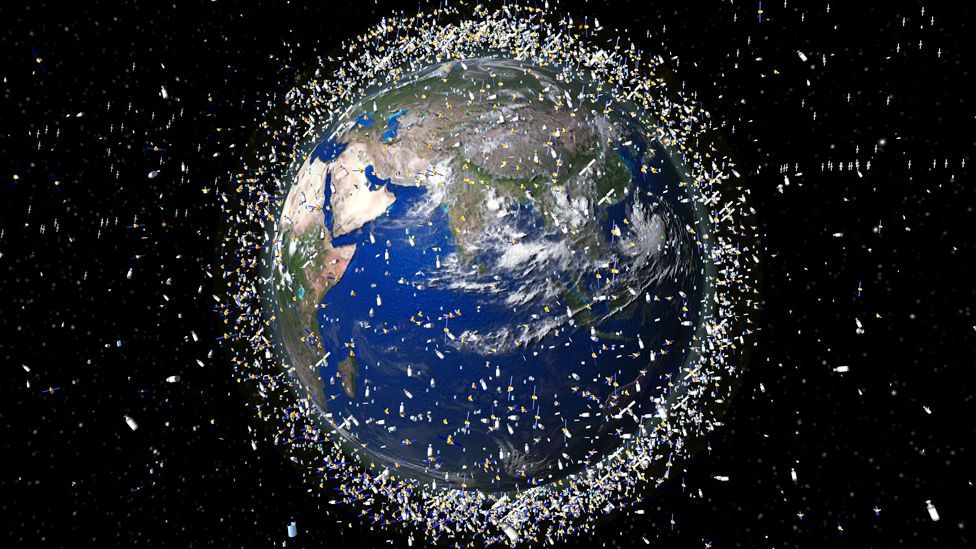
Preventing Cosmic Waste 1. Measures to Prevent Cosmic Waste: Debris Tracking: Use satellites to monitor and track space debris to avoid collisions. Debris Removal: Develop technologies like robotic arms or nets to capture and remove debris from orbit. Design Improvements: Create spacecraft with featRead more
Preventing Cosmic Waste
1. Measures to Prevent Cosmic Waste:
- Debris Tracking: Use satellites to monitor and track space debris to avoid collisions.
- Debris Removal: Develop technologies like robotic arms or nets to capture and remove debris from orbit.
- Design Improvements: Create spacecraft with features that reduce debris, such as components that burn up upon re-entry.
2. Pros and Cons:
- Pros:
- Improved Space Safety: Reduces the risk of collisions with operational satellites and spacecraft.
- Sustainable Space Operations: Helps maintain a clean environment for future space missions.
- Cons:
- High Costs: Technologies for debris removal and tracking can be expensive.
- Technical Challenges: Developing effective and reliable debris removal methods is complex.
3. Impact of Drastic Expansion:
- Potential Problems:
- Collision Risk: Increased debris could lead to more frequent collisions, creating even more debris.
- Operational Disruptions: Higher debris density could interfere with satellite operations and space missions.
- Planetary Effects:
- No Direct Impact: Cosmic waste in orbit around Earth does not affect planetary orbits or revolutionary paths.
Preventing cosmic waste is crucial for ensuring the long-term usability and safety of space environments.
See less


Here are some innovative waste management solutions for animal manure that minimize greenhouse gas emissions and pollution: 1. **Anaerobic Digestion**: This process converts manure into biogas, which can be used for energy production. It reduces methane emissions and produces digestate, which can beRead more
Here are some innovative waste management solutions for animal manure that minimize greenhouse gas emissions and pollution:
1. **Anaerobic Digestion**: This process converts manure into biogas, which can be used for energy production. It reduces methane emissions and produces digestate, which can be used as fertilizer.
2. **Composting**: Aerobic composting transforms manure into nutrient-rich compost, reducing odors and pathogens while minimizing greenhouse gas emissions.
3. **Nutrient Recovery**: Technologies that recover nutrients from manure can help reduce pollution runoff and provide concentrated fertilizers, such as struvite precipitation for phosphorus recovery.
4. **Aerobic Treatment Systems**: These systems treat manure using aerobic bacteria, significantly reducing methane production compared to anaerobic systems.
5. **Biochar Production**: Converting manure into biochar through pyrolysis not only reduces emissions but also improves soil health and sequesters carbon.
6. **Integrated Crop-Livestock Systems**: This approach utilizes manure as fertilizer in crop production, promoting nutrient cycling and reducing the need for synthetic fertilizers.
7. **Manure Application Technologies**: Innovations like precision application systems reduce runoff and emissions by optimizing how and when manure is applied to fields.
8. **Fermentation and Bioprocessing**: Utilizing manure in fermentation processes can produce valuable products such as protein-rich animal feed or bioplastics.
9. **Constructed Wetlands**: These can be used to treat manure runoff, reducing nutrient loads entering waterways while providing habitat for wildlife.
10. **Modular Treatment Systems**: Small-scale, decentralized systems can treat manure locally, minimizing transportation emissions and facilitating better management practices.
Implementing these solutions can help manage manure more sustainably while reducing its environmental impact.
See less