

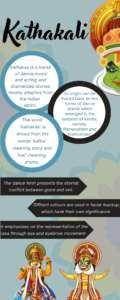
Explain the following statement: “Kathakali is a unique mix of drama, expression, and storytelling; it is not just a dance form.” In what way does it embody India’s rich cultural diversity?

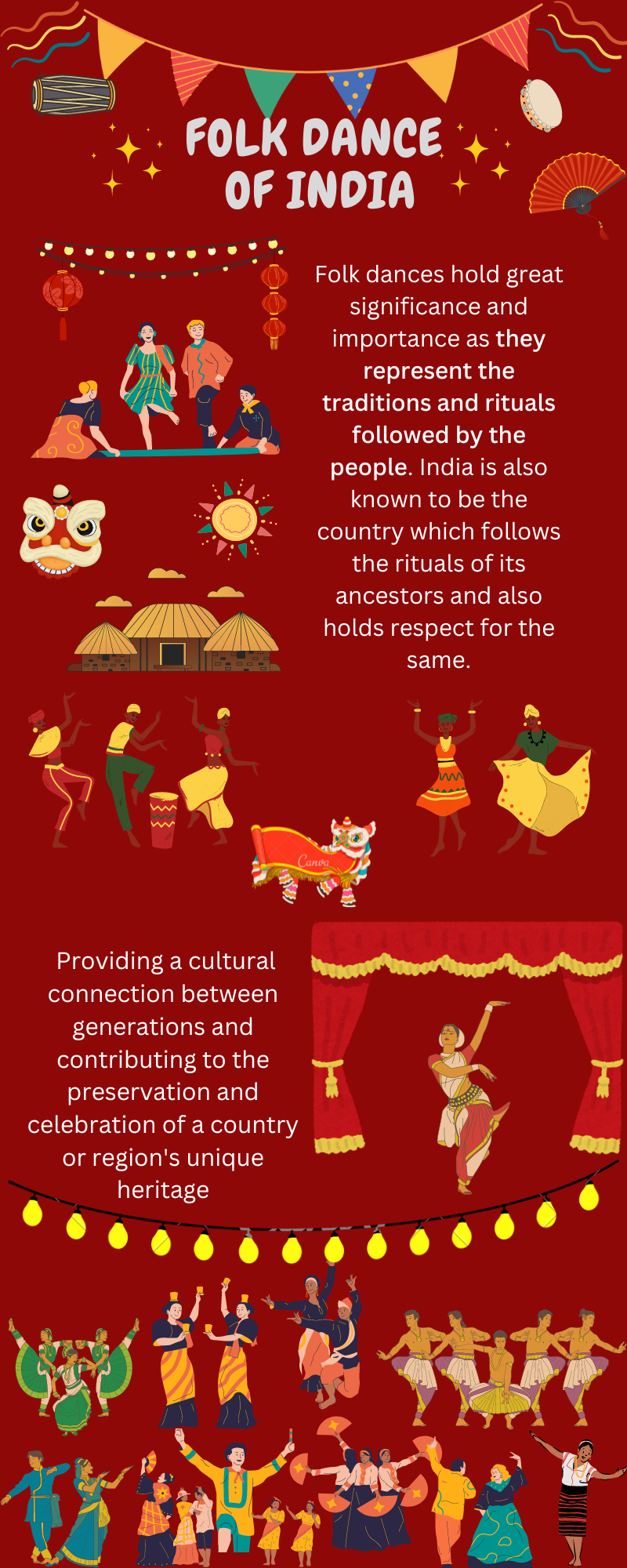
Introduction: A folk dance is a dance developed by people that reflect the life of the people of a certain country or region. Not all ethnic dances are folk dances. It is a reflection of the culture and history of the people who perform it. They serve not just as art forms but as cultural repositoriRead more
Introduction:
A folk dance is a dance developed by people that reflect the life of the people of a certain country or region. Not all ethnic dances are folk dances. It is a reflection of the culture and history of the people who perform it. They serve not just as art forms but as cultural repositories for specific communities.
Example: Kuchipudi(Andra Pradesh) , Yakshgan,Kunitha,Karga (Karnataka),Mohiniattam(Kerala) ,etc.
Body:
Regional Diversity Reflected in Folk Dance Forms of India in the following ways:
- Garba (Gujarat): Garba is an essential part of Gujarati cultural life, especially during the Navratri festival. This dance form encapsulates the essence of Gujarat, from its agrarian society to its deeply-rooted spirituality.
- Bhangra (Punjab): Bhangra has its roots in the agricultural community of Punjab and is traditionally performed during Baisakhi, a festival marking the new harvest. It captures the vigorous spirit and industrious nature of the Punjabi people.
- Ghoomar (Rajasthan): This graceful dance form, mostly performed by Rajasthani women during special occasions, is deeply entrenched in the state’s royal history and traditions.
- Chhau (Jharkhand, West Bengal, and Odisha): This tribal martial dance integrates elements of combat into its choreography and often narrates stories of valor. Chhau mirrors the martial traditions and local folklore of these regions.
- Dandiya Raas (Gujarat): Dandiya Raas involves a pair of decorated sticks and is performed during the festival of Navratri. It reflects the state’s communal harmony and vibrant festive culture.
Ways in which these Dance forms act as a Cultural Repository for Specific Communities:
- Marital Rites: Lavani isn’t just entertainment; it’s part of the cultural rites during weddings in Maharashtra. By narrating tales of love and valour , it complements the marital ceremony, capturing the essence of conjugal life and cultural expectations.
- Gender Roles: Ghoomar serves as an epitome of traditional gender roles in Rajasthani society. It’s not just women who dance; it’s often the new brides being welcomed into households or women bidding farewell to their brothers, celebrating women’s roles in the community.
- Social Cohesion : Garba isn’t merely a dance, it’s a social institution. Conducted during Navratri, Garba nights draw communities together. The circular formation of dancers is symbolic, representing a community that stands united.
- Youth Engagement: Dandiya Raas acts as a cultural bridge. While older generations see it as a traditional expression, the younger generation engages with it as a form of social interaction. This ensures that cultural traditions are not just preserved but also adapted and passed down.
- Civic Awareness: Chhau transcends the boundaries of mere performance art by often tackling social issues through its narrative. Whether it is educating about gender equality or highlighting issues of social justice, it becomes a medium for communal education and activism.
- Seasonal Changes: Dances like Bihu in Assam are not just folk expressions; they serve to celebrate the seasonal cycles, crucial to agrarian societies. It marks the Assamese New Year heralding the onset of the harvest season, underscoring the connect with nature.
- Agricultural Celebrations: Bhangra isn’t just a festive dance; it’s a celebration of agricultural success. Performed during Baisakhi, it reinforces the community’s agricultural roots, bringing farmers and families together to celebrate their hard work and subsequent harvest.
Conclusion :
Dance that has developed without a choreographer and that reflects the traditional life of the common people of a country or region. They are the heartbeat of India’s cultural heritage. By embracing and celebrating these traditions, we keep our history alive.
See less


See less