

Provide a detailed description of how artificial intelligence is transforming customer service within the e-commerce sector. Include specific examples such as the use of chatbots for 24/7 customer support, AI-driven personalized recommendations, and automated responses to common customer queries. Discuss ...


In the evolving landscape of cybersecurity, researchers are exploring innovative techniques to enhance intrusion detection and combat sophisticated attacks. One promising approach is the use of machine learning (ML) and artificial intelligence (AI) algorithms. These techniques analyze vast amounts oRead more
In the evolving landscape of cybersecurity, researchers are exploring innovative techniques to enhance intrusion detection and combat sophisticated attacks. One promising approach is the use of machine learning (ML) and artificial intelligence (AI) algorithms. These techniques analyze vast amounts of data to detect anomalies and patterns indicative of malicious activities. ML models can adapt and learn from new threats, improving detection accuracy over time.
Another area of exploration is behavioral analytics, which focuses on monitoring user and entity behavior to identify deviations from normal patterns. By establishing baseline behaviors, systems can flag suspicious activities that may indicate an intrusion or insider threat.
Furthermore, advancements in threat intelligence and information sharing enable quicker identification and response to emerging threats. Collaborative efforts among organizations and across sectors enhance the ability to detect and mitigate attacks before they cause significant damage.
Additionally, the use of deception technologies such as honeypots and decoy systems lures attackers away from critical assets, providing valuable insights into their tactics and motivations while diverting them from real targets.
Overall, the integration of these novel techniques into traditional intrusion detection systems offers promising avenues to stay ahead of increasingly sophisticated cyber threats and safeguard sensitive data and systems.
See less


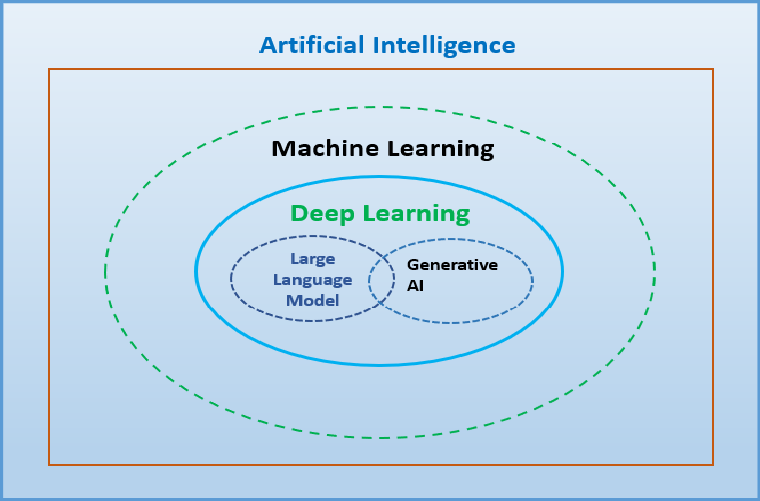


Artificial intelligence is revolutionizing e-commerce customer service with cutting-edge applications beyond chatbots and automated responses. AI in e-commerce is exploding with innovations that make shopping feel less like a chore and more like a personalized adventure. Let's explore some mind-blowRead more
Artificial intelligence is revolutionizing e-commerce customer service with cutting-edge applications beyond chatbots and automated responses. AI in e-commerce is exploding with innovations that make shopping feel less like a chore and more like a personalized adventure. Let’s explore some mind-blowing examples:
1. See It, Find It: AI-Powered Visual Search
Imagine this: You spot a pair of stunning sunglasses on a celebrity, but have no idea where to find them. With AI-powered visual search, you simply upload a picture and voila!
Companies like ASOS use this magic to help you discover similar items in their catalog, making product hunting a breeze. It’s like having a personal shopping assistant at your fingertips!
2. Predicting Your Needs: AI for Smart Inventory
What if stores always had exactly what you wanted in stock?
Walmart uses AI to analyze buying patterns and browsing habits. This lets them predict what you’ll need before you even know it, ensuring popular items are always on the shelf. This is a win-win: no more disappointment for you, and less wasted inventory for stores.
3. Dynamic Pricing: The Art of the Deal
Ever felt like you missed out on the perfect price? AI can help! Imagine a system that adjusts prices based on demand, similar to how Uber changes ride fares. That’s the power of dynamic pricing.
Dynamic pricing is reshaping e-commerce by making prices as adaptable as demand itself. Just as Uber adjusts ride fares based on factors like demand and traffic, e-commerce platforms now use AI to tweak prices in real-time.
Imagine shopping online during a flash sale or peak season; dynamic pricing adjusts prices instantly based on market trends, competitor moves, and customer behavior. Airbnb is a great example, adjusting rental rates according to local events and demand spikes, ensuring hosts maximize their earnings and guests get competitive rates.
4. Voice Assistants
See lessTired of typing? Voice assistants like Alexa and Google Assistant are here to make shopping effortless. Imagine ordering groceries while making dinner, or tracking your package with a simple voice command. Forrester’s research shows how AI-powered voice assistants are boosting accessibility and personalization, making shopping a truly hands-free experience.
These are just a few ways AI is transforming e-commerce. With these innovations, shopping becomes more engaging, efficient, and even a little bit fun! So buckle up, because the future of e-commerce is powered by AI and ready to take you on an amazing shopping journey!
Bonus Tip: For a deeper dive, check out Gartner’s Hype Cycle for Artificial Intelligence 2024 and Forrester’s AI in E-commerce research.