

How to control pests by natural way?
![[Deleted User]](https://mainsanswerwriting.com/wp-content/plugins/WPQA/images/default-image.png "[Deleted User]")

Artificial Intelligence (AI) has the potential to revolutionize agriculture by optimizing crop yields, managing resources efficiently, and improving overall farm management. Here are some key applications of AI in agriculture: 1. Precision Farming Soil and Crop Monitoring: AI algorithms analyze dataRead more
Artificial Intelligence (AI) has the potential to revolutionize agriculture by optimizing crop yields, managing resources efficiently, and improving overall farm management. Here are some key applications of AI in agriculture:
1. Precision Farming
- Soil and Crop Monitoring: AI algorithms analyze data from soil sensors to monitor soil health, moisture levels, and nutrient content, enabling precise soil management.
- Predictive Analytics: AI models predict crop yields and growth patterns based on historical data, weather forecasts, and current crop conditions, helping farmers make informed decisions.
2. Pest and Disease Control
- Early Detection: AI-powered imaging and machine learning algorithms can detect early signs of pests and diseases in crops, allowing for timely intervention.
- Automated Spraying: Drones and robots equipped with AI can precisely target affected areas, reducing the use of pesticides and minimizing environmental impact.
3. Irrigation Management
- Smart Irrigation Systems: AI systems analyze weather forecasts, soil moisture levels, and crop water needs to optimize irrigation schedules, conserving water and improving crop health.
- Automated Irrigation: AI-controlled irrigation systems can adjust water delivery in real-time based on current conditions, ensuring efficient water use.
4. Yield Prediction and Optimization
- Data-Driven Decisions: AI analyzes various factors like weather patterns, soil conditions, and crop genetics to predict yields and suggest optimal planting times and techniques.
- Resource Allocation: AI helps in allocating resources such as fertilizers and water more efficiently, enhancing productivity and reducing waste.
5. Autonomous Farming Equipment
- Self-Driving Tractors: Autonomous tractors use AI for navigation and performing tasks like plowing, planting, and harvesting with high precision.
- Robotic Harvesters: AI-powered robots can identify and pick ripe fruits and vegetables, increasing harvesting efficiency and reducing labor costs.
6. Supply Chain Optimization
- Demand Forecasting: AI predicts market demand for various crops, helping farmers plan their production and reduce waste.
- Inventory Management: AI optimizes storage and distribution of agricultural produce, ensuring timely delivery and minimizing spoilage.
7. Crop Breeding and Genetic Improvement
- Genomic Analysis: AI analyzes genetic data to identify desirable traits in crops, accelerating the breeding process and development of high-yield, disease-resistant varieties.
- Phenotyping: AI technologies, such as computer vision, assess plant traits and growth patterns, aiding in the selection of superior crop varieties.
8. Climate and Weather Forecasting
- Microclimate Monitoring: AI integrates data from local weather stations and sensors to provide accurate microclimate forecasts, helping farmers prepare for adverse conditions.
- Risk Management: AI models assess climate risks and recommend adaptive strategies to mitigate the impact of extreme weather events on crops.
9. Market Analysis and Financial Planning
- Price Prediction: AI analyzes market trends and historical data to predict crop prices, enabling farmers to make informed selling decisions.
- Financial Management: AI tools assist farmers in financial planning, budgeting, and accessing credit by evaluating risk and profitability.
10. Soil Health and Fertility Management
- Soil Mapping: AI algorithms create detailed soil maps based on sensor data and satellite imagery, identifying areas with varying fertility levels.
- Nutrient Management: AI recommends precise fertilizer application based on soil nutrient analysis, enhancing soil health and crop productivity.
11. Livestock Management
- Health Monitoring: AI-powered sensors and cameras monitor livestock health, detecting early signs of illness or stress.
- Breeding Programs: AI optimizes breeding programs by analyzing genetic data and predicting the best mating pairs to improve livestock quality.
12. Sustainable Farming Practices
- Conservation Planning: AI helps design and implement conservation practices like crop rotation, cover cropping, and reduced tillage to enhance sustainability.
- Carbon Footprint Reduction: AI optimizes farm operations to reduce greenhouse gas emissions and improve environmental sustainability.
Conclusion
AI in agriculture offers numerous benefits, from optimizing crop yields and managing resources to enhancing sustainability and reducing environmental impact. By leveraging AI technologies, farmers can improve productivity, reduce costs, and ensure food security in a rapidly changing.



Pests and diseases are part of the natural environmental system. In environmental ecosystem there is a balance between predators and pests. This is the way of controlling populations. That organism cause disease only when their activities start to damage crops and affect yields. The aim of natural cRead more
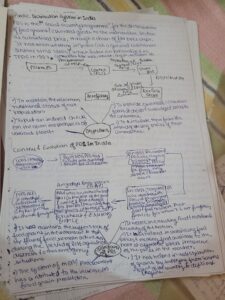
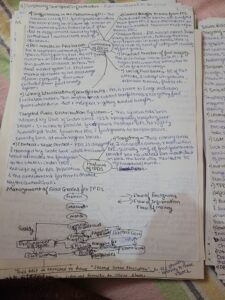
Pests and diseases are part of the natural environmental system. In environmental ecosystem there is a balance between predators and pests. This is the way of controlling populations. That organism cause disease only when their activities start to damage crops and affect yields.
The aim of natural control is to restore a balance between pest and predator and to keep pests and diseases down to acceptable down. Our aim is not to eradicate them altogether, as they also have a role to play which in the natural system. Once a pest or disease has started to attack a crop, the damage cannot be repaired and control becomes difficult.
pests are often controlled with man made chemicals which have many harmful effects. Before taking action to control pests and diseases it is very important to make sure that problem is correctly identified. some of the methods include:
A soil managed using organic methods.
weeding should done regularly
A wide variety or “genetic diversity” between the plants within a single crop is important.
Crop rotation also helps a variety of natural predators to survive
See less