

Critically analyze the effectiveness of India’s existing crowd management strategies during mass gatherings, with reference to recent incidents like the Hathras stampede and the Jagannath Rath Yatra. Suggest measures to improve crowd management practices to prevent future tragedies. (250 words)


The development of technologies like generative AI and machine learning (ML) has the potential to significantly impact rural development in India in several ways: 1. Agriculture - Precision Farming: AI can help in optimizing the use of resources such as water, fertilizers, and pesticides. DroRead more
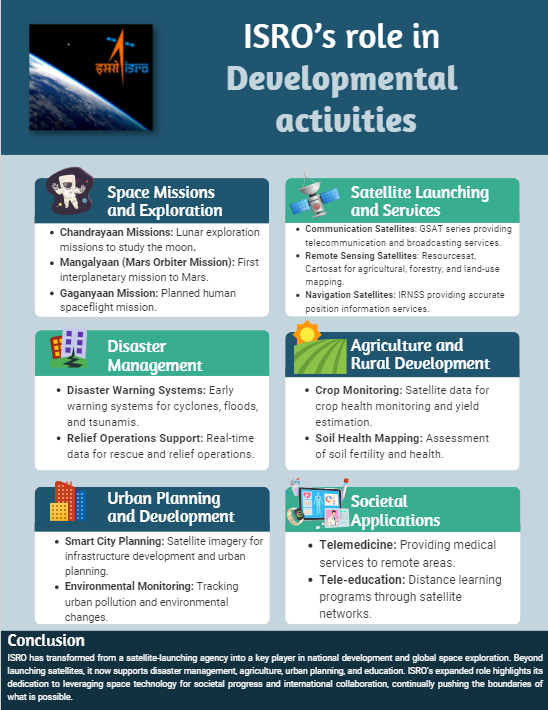
The development of technologies like generative AI and machine learning (ML) has the potential to significantly impact rural development in India in several ways:
1. Agriculture
– Precision Farming: AI can help in optimizing the use of resources such as water, fertilizers, and pesticides. Drones and sensors powered by AI can monitor crop health, soil conditions, and predict yields.
– Predictive Analytics: ML models can analyze weather patterns and predict potential issues like droughts or floods, allowing farmers to take proactive measures.
– Market Access: AI-driven platforms can connect farmers directly with buyers, reducing the influence of middlemen and ensuring fair prices.
2. Healthcare
– Telemedicine: AI can enhance telemedicine services by providing diagnostic support, enabling remote consultations, and managing patient data efficiently.
– Disease Prediction and Management: ML algorithms can predict outbreaks of diseases and assist in their management, improving overall healthcare outcomes in rural areas.
3. Education
– Personalized Learning: AI can provide personalized learning experiences for students, catering to their individual needs and learning paces.
– Teacher Training: ML models can help in the continuous training and development of teachers, ensuring they have the latest pedagogical skills and knowledge.
4. Infrastructure
– Smart Infrastructure Planning: AI can assist in planning and developing infrastructure projects by analyzing data on population growth, traffic patterns, and environmental impact.
– Energy Management: AI can optimize the use of renewable energy sources, ensuring reliable and sustainable power supply to rural areas.
5. Financial Inclusion
– Credit Access: ML algorithms can analyze non-traditional data sources to assess creditworthiness, helping rural populations gain access to loans and financial services.
– Mobile Banking: AI-powered chatbots and apps can facilitate financial transactions and provide financial literacy training.
6. Governance and Administration
– Efficient Public Services: AI can streamline administrative processes, reduce corruption, and ensure the efficient delivery of public services.
– Data-Driven Decision Making: Governments can use AI to analyze data from various sources to make informed decisions about resource allocation and policy implementation.
7. Employment and Skill Development
– Job Matching: AI-driven platforms can match job seekers with employment opportunities based on their skills and preferences.
– Skill Training: ML models can identify skill gaps in the rural workforce and recommend appropriate training programs.
Challenges and Considerations
– Digital Literacy: Ensuring the rural population is digitally literate to effectively use these technologies.
– Infrastructure: Developing the necessary digital infrastructure, including internet connectivity and access to devices.
– Data Privacy: Addressing concerns around data privacy and security.
– Inclusive Development: Ensuring that technological advancements benefit all segments of the rural population, including marginalized communities.
In summary, the integration of generative AI and ML in rural India can drive significant improvements across various sectors, leading to enhanced quality of life and economic growth. However, it is crucial to address the associated challenges to maximize their potential benefits.
See less




India's crowd management strategies during mass gatherings have demonstrated varying levels of effectiveness. On the positive side, advanced planning and coordination are integral parts of managing large events such as religious festivals, political rallies, and public celebrations. Authorities typiRead more
India’s crowd management strategies during mass gatherings have demonstrated varying levels of effectiveness. On the positive side, advanced planning and coordination are integral parts of managing large events such as religious festivals, political rallies, and public celebrations. Authorities typically engage in detailed planning, mapping out crowd control measures, and setting up clear entry and exit points. Security personnel are strategically deployed to manage the flow of people and ensure safety. Additionally, the use of technology has improved crowd management in certain instances. Surveillance cameras, drones, and other monitoring tools help in real-time assessment and swift response to potential issues. Furthermore, the involvement of multiple agencies, including the police, disaster management teams, and local government bodies, enhances the overall effectiveness of crowd control efforts. However, despite these strengths, there are significant weaknesses in the current strategies. Implementation is often inconsistent, with variations in effectiveness across different regions and events. Many mass gatherings still experience overcrowding, leading to safety hazards and, in some cases, tragic incidents. The infrastructure in many places is not equipped to handle large crowds, exacerbating the problem. Moreover, there is often a lack of adequate training for personnel involved in crowd management, leading to mismanagement and delayed responses during critical situations. Public awareness and cooperation also play a crucial role, yet there is often insufficient communication and guidance provided to the public. In conclusion, while India’s crowd management strategies have some strong components, there is a need for more consistent implementation, better infrastructure, and improved training to enhance their overall effectiveness.
See less