


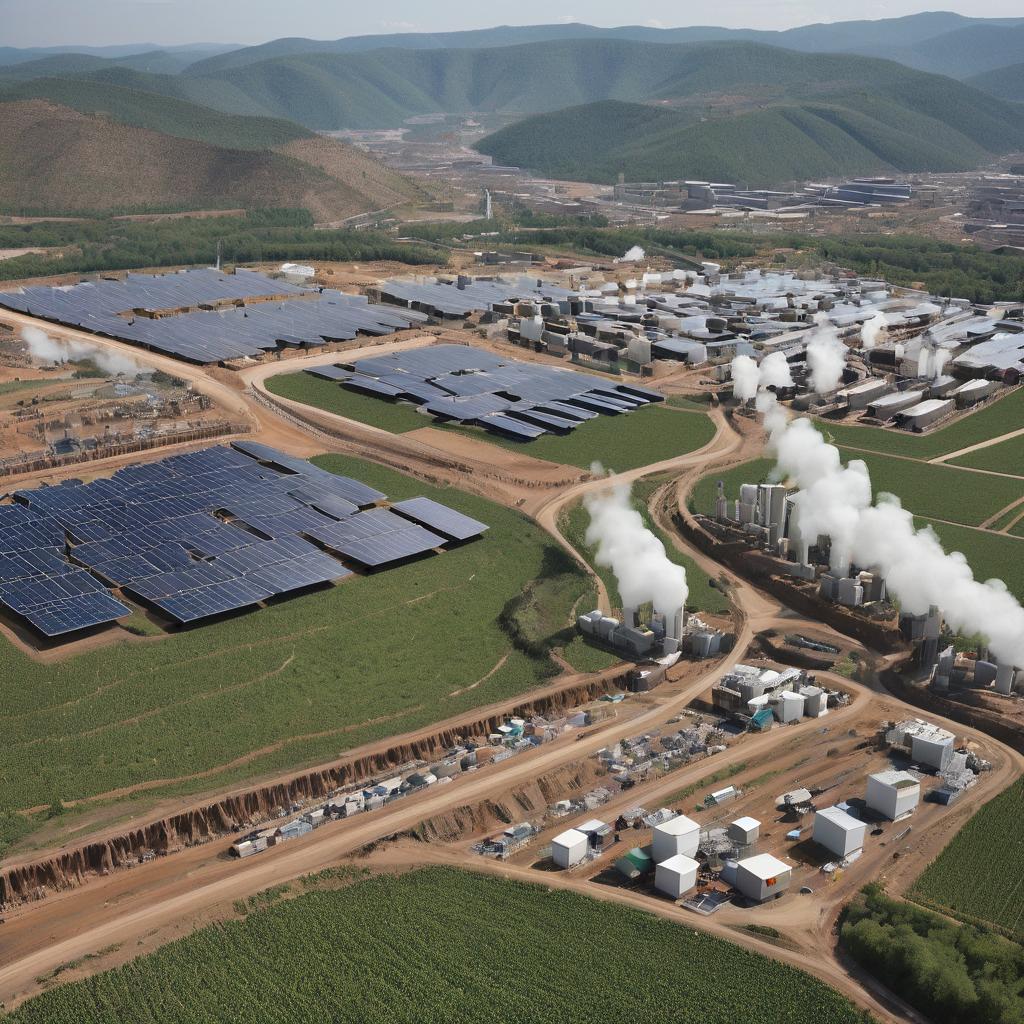
"Emerging Technologies and Global Environmental Solutions" encapsulates the innovative approaches and advancements aimed at addressing pressing environmental challenges worldwide. Technologies like renewable energy sources (solar, wind, and hydroelectric power) and sustainable agriculture practicesRead more
“Emerging Technologies and Global Environmental Solutions” encapsulates the innovative approaches and advancements aimed at addressing pressing environmental challenges worldwide. Technologies like renewable energy sources (solar, wind, and hydroelectric power) and sustainable agriculture practices play pivotal roles. These innovations offer cleaner alternatives to traditional energy sources and mitigate environmental degradation caused by intensive farming methods.
Additionally, advancements in waste management technologies, such as recycling and waste-to-energy processes, contribute significantly to reducing landfill waste and greenhouse gas emissions. Smart city initiatives leverage technology to optimize resource use, enhance urban sustainability, and reduce carbon footprints through efficient transportation systems and infrastructure.
Biotechnological innovations, like genetically modified organisms (GMOs) and biofuels, hold promise for enhancing agricultural productivity while minimizing environmental impacts. Moreover, emerging technologies in water purification and conservation are crucial for addressing global water scarcity challenges.
Collectively, these technologies underscore a growing trend towards sustainable development, where technological innovation intersects with environmental stewardship to foster a cleaner, greener future for generations to come. Embracing and scaling these solutions globally is essential for achieving environmental sustainability and mitigating the impacts of climate change on a planetary scale.
See less


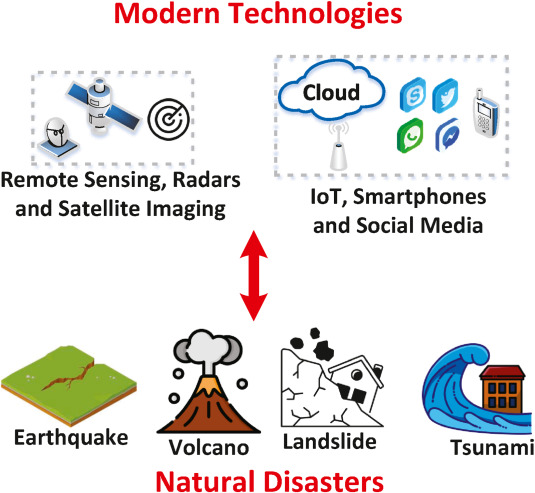 Advancements in satellite technology significantly enhance global climate monitoring and disaster response by providing detailed, timely, and accurate data. Here’s how:


Blockchain technology is revolutionizing supply chain management by providing greater transparency, traceability, and security. It enables all participants in a supply chain to access a decentralized and immutable ledger of transactions, which enhances trust and reduces the risk of fraud. This technRead more
Blockchain technology is revolutionizing supply chain management by providing greater transparency, traceability, and security. It enables all participants in a supply chain to access a decentralized and immutable ledger of transactions, which enhances trust and reduces the risk of fraud. This technology ensures that every step of the supply chain process is recorded and verifiable, from the origin of raw materials to the delivery of the final product.
Tips for Adopting Blockchain in Supply Chain Management:
By integrating blockchain technology, businesses can enhance the efficiency, transparency, and security of their supply chains, leading to more trust and improved operational performance.
See less