

What are the benefits and challenges of using drones and IoT devices in modern agriculture?


An IT support specialist, also known as a help desk technician or IT assistant, plays a vital role in ensuring the smooth operation of an organization's computer systems and technology infrastructure. Their primary responsibilities include: 1. Troubleshooting and resolving hardware and software issuRead more
An IT support specialist, also known as a help desk technician or IT assistant, plays a vital role in ensuring the smooth operation of an organization’s computer systems and technology infrastructure. Their primary responsibilities include:
1. Troubleshooting and resolving hardware and software issues
2. Providing technical assistance and support to employees or customers via phone, email, or in-person
3. Installing, configuring, and maintaining computer systems, software, and peripherals
4. Setting up and troubleshooting networks, printers, and other devices
5. Managing and resolving technical issues related to internet connectivity, email, and other business-critical systems
6. Creating and maintaining technical documentation and knowledge bases
7. Staying up-to-date with new technologies and solutions to improve IT support services
8. Collaborating with other IT teams, such as development and infrastructure, to resolve complex technical issues
9. Providing training and guidance to employees on using technology and software applications
10. Ensuring data security and privacy by implementing appropriate measures and protocols.
IT support specialists are essential in maintaining the productivity and efficiency of organizations, and their role is critical in resolving technical issues that may hinder business operations.What is the role of an IT support specialist?
See less


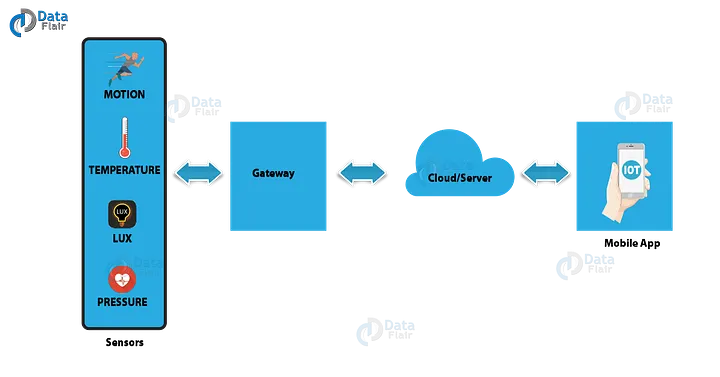
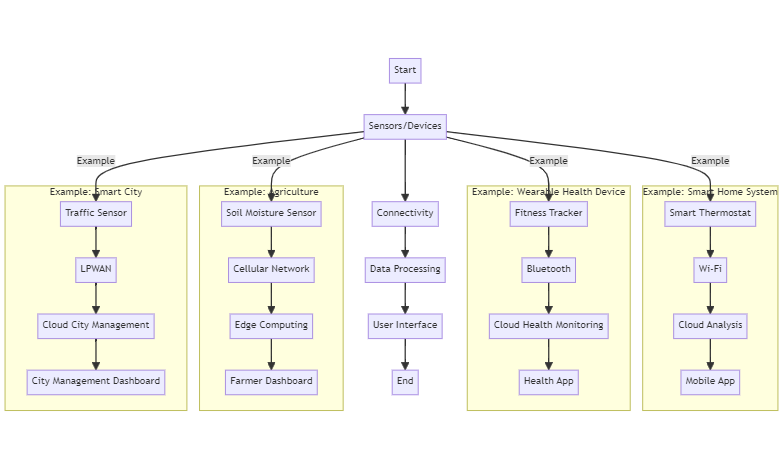


 al voice calls. However, some mobile networks have integrated Voice over 5G (Vo5G or VoNR) for voice calls, but this generally requires internet connectivity.
Benefits of Using Drones and IoT Devices in Modern Agriculture: 1. Precision Farming: Drones and IoT devices enable precise monitoring of crops, helping farmers apply water, fertilizers, and pesticides exactly where needed, reducing waste and costs. 2. Real-Time Monitoring: They provide real-time daRead more
Benefits of Using Drones and IoT Devices in Modern Agriculture:
1. Precision Farming: Drones and IoT devices enable precise monitoring of crops, helping farmers apply water, fertilizers, and pesticides exactly where needed, reducing waste and costs.
2. Real-Time Monitoring: They provide real-time data on crop health, soil conditions, and weather, allowing for timely interventions and better decision-making.
3. Increased Efficiency: Automating tasks like planting, monitoring, and spraying increases efficiency and saves labor.
4. Higher Yields: By optimizing resource use and monitoring crop health, these technologies can boost crop yields and quality.
5. Reduced Environmental Impact: Precision application reduces chemical runoff and conserves water, benefiting the environment.
Challenges of Using Drones and IoT Devices in Modern Agriculture:
1. High Costs: Initial investment and maintenance costs for drones and IoT devices can be high, making them less accessible for small farmers.
2. Technical Skills: Farmers need technical knowledge and training to operate and maintain these technologies effectively.
3. Data Management: Handling and analyzing the large amounts of data generated can be overwhelming without proper systems in place.
4. Connectivity Issues: Reliable internet connectivity is essential for IoT devices to function properly, which can be a challenge in remote or rural areas.
5. Regulatory Hurdles: Drones are subject to strict regulations, which can limit their use and require compliance with legal requirements.
See less