

Roadmap for Answer Writing 1. Introduction Purpose: Introduce the concept of multidimensional poverty and its significance. Thesis Statement: State that the United Nations Multidimensional Poverty Index (MPI) provides a broader understanding of poverty by assessing both incidence and intensity rather than relying solely ...


While India's Constitution protects minority rights in education through Articles 29 and 30 (allowing cultural preservation and establishment of minority institutions), the absence of specific provisions on admissions and resource allocation can hinder educational equity. This lack of clarity mightRead more
While India’s Constitution protects minority rights in education through Articles 29 and 30 (allowing cultural preservation and establishment of minority institutions), the absence of specific provisions on admissions and resource allocation can hinder educational equity. This lack of clarity might lead to unequal access, with some minority institutions struggling to maintain diverse student bodies. Additionally, unclear regulations on government funding could leave these institutions under-resourced compared to others. Legal reforms can address these gaps by defining a minority student ratio in admissions (setting minimum and/or maximum percentages for non-minority students) and mandating reservation in education funding to ensure equitable resource distribution. By implementing these reforms alongside strong monitoring mechanisms, India can ensure minority educational institutions both retain their cultural identity and contribute to a more level playing field in education for all.
See less

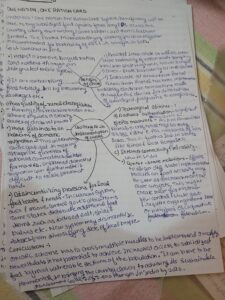


Model Answer Introduction The United Nations Multidimensional Poverty Index (MPI) provides a more nuanced understanding of poverty by assessing various aspects of well-being beyond mere income levels. The MPI evaluates three key dimensions: health, education, and standard of living, using ten specifRead more
Model Answer
Introduction
The United Nations Multidimensional Poverty Index (MPI) provides a more nuanced understanding of poverty by assessing various aspects of well-being beyond mere income levels. The MPI evaluates three key dimensions: health, education, and standard of living, using ten specific indicators. This comprehensive approach emphasizes the importance of both the incidence and intensity of poverty.
Body
Global Poverty Trends
The latest MPI report indicates significant progress in reducing multidimensional poverty globally. Many countries have successfully decreased both the incidence (the number of people living in poverty) and the intensity (the severity of deprivations experienced) of poverty over time. For instance, 25 countries have halved their MPI values within 15 years, demonstrating that substantial progress is achievable.
Regional Differences
The report highlights stark regional disparities in poverty levels. Sub-Saharan Africa and South Asia continue to experience high rates of multidimensional poverty, necessitating targeted interventions to address the multiple deprivations faced by these populations.
Vulnerable Populations
The MPI identifies vulnerable groups, including women, children, and rural inhabitants, who often endure higher levels of multidimensional poverty. This insight is crucial for policymakers aiming to design effective poverty reduction strategies that specifically target these demographics.
Disaggregated Data
The report provides disaggregated data by gender, age, and geographical location, allowing for a detailed understanding of the specific deprivations faced by different segments of the population. This granularity enables the formulation of tailored interventions to combat poverty effectively.
Policy Implications
Insights from the MPI report can guide policymakers in identifying pressing deprivations within their countries. By focusing on the multidimensional aspects of poverty, they can develop targeted policies and interventions that address the root causes of poverty more effectively.
Conclusion
The United Nations Multidimensional Poverty Index Report underscores the necessity of moving beyond income-based measures to grasp the complex nature of poverty. By considering both the incidence and intensity of deprivations, the MPI offers a comprehensive view that can inform targeted strategies to alleviate poverty and enhance overall well-being.
See less