

Talk about the recent anti-India policies of countries like Sri Lanka, Maldives, and Nepal.


China's economic influence and trade surplus have significantly impacted India in several ways: *Economic Impacts* 1. Trade deficit: India's trade deficit with China increased from $1.1 billion in 2001-02 to $53.6 billion in 2020-21. 2. Dependence on Chinese imports: India relies heavily on ChineseRead more
China’s economic influence and trade surplus have significantly impacted India in several ways:
*Economic Impacts*
1. Trade deficit: India’s trade deficit with China increased from $1.1 billion in 2001-02 to $53.6 billion in 2020-21.
2. Dependence on Chinese imports: India relies heavily on Chinese goods, particularly electronics, machinery and raw materials.
3. Investment competition: Chinese investments in India’s neighboring countries, such as Sri Lanka and Nepal, challenge Indian influence.
4. Economic coercion: China uses trade as a tool to pressure India on political issues.
*Strategic Impacts*
1. Military modernization: China’s economic growth fuels military expansion, threatening India’s regional security.
2. Infrastructure development: China’s Belt and Road Initiative (BRI) and China-Pakistan Economic Corridor (CPEC) encircle India.
3. Regional influence: China’s economic clout enhances its influence in South Asia, challenging India’s traditional dominance.
4. Border disputes: China’s military buildup along the Line of Actual Control (LAC) heightens tensions.
*Diplomatic Impacts*
1. Reduced negotiating power: India’s trade deficit limits its bargaining power in diplomatic engagements.
2. Regional organizations: China dominates regional forums like the Shanghai Cooperation Organization (SCO) and BRICS.
3. Global governance: China’s economic influence shapes global institutions, potentially undermining Indian interests.
4. Bilateral relations: China’s assertiveness strains India-China relations.
*Security Impacts*
1. Military buildup: China’s military expansion in the Indian Ocean and border regions poses security concerns.
2. Cybersecurity threats: China’s cyber capabilities threaten India’s critical infrastructure.
3. Terrorist support: China’s support for Pakistan-based terrorist groups undermines Indian national security.
4. Nuclear dynamics: China’s nuclear modernization affects India’s nuclear deterrence.
*Mitigation Strategies for India*
1. Economic diversification: Enhance trade ties with other nations.
2. Infrastructure development: Strengthen domestic infrastructure.
3. Military modernization: Upgrade India’s military capabilities.
4. Diplomatic engagement: Foster alliances and regional partnerships.
5. Cybersecurity enhancement: Protect critical infrastructure.
6. Border management: Enhance border security.
See less


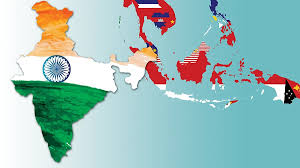


India’s geopolitical environment is increasingly characterized by challenges posed by some neighboring countries such as Sri Lanka, Nepal and Maldives. In all these countries, the circumstances in which the developments have happened may be different, but in all cases India has been the focus of theRead more
India’s geopolitical environment is increasingly characterized by challenges posed by some neighboring countries such as Sri Lanka, Nepal and Maldives. In all these countries, the circumstances in which the developments have happened may be different, but in all cases India has been the focus of their anger.
The anti-Indian sentiment in Sri Lanka can be attributed to the growing influence of China through substantial investments and infrastructural projects, such as Hambantota port. Economic dependency on China has shifted Sri Lanka’s geopolitical alignments. Additionally, historical grievances and nationalist sentiments fuel skeptism towards India. To address these issues, India is engaging diplomatically through high-level-talks and also offering economic assistance and development projects to counter China’s influence.
The anti-Indian sentiment in Maldives are influenced by nationalist sentiments and geopolitical tensions like Maldives strategic location and its growing ties with China and maritime security. India has been actively engaging the Maldivian government through aid, development projects, and support for democratic processes. Initiatives include providing assistance for infrastructure development, promoting people-to-people ties, and addressing security concerns collaboratively.
Nepal, which shares deep cultural and historical ties with India, has also witnessed a deterioration in relations due to disputes over border demarcation and perceptions of Indian interference in domestic politics. Recent border disputes, particularly the dispute over the Kalapani, Lipulekh, and Limpiyadhura regions, have fuelled nationalist sentiments in Nepal. To address these challenges, India has been working to resolve border issues through diplomatic negotiations and discussions aimed at reaching mutually acceptable solutions. India is also reinforcing its engagement with Nepal through development aid, infrastructure projects, and support for social programs.
See less