

Roadmap for Answer Writing 1. Introduction Define feminization of agriculture. Mention the statistic from the NSSO: Over 70% of rural women workers are engaged in agricultural work. 2. Body A. Economic Forces 1. Male Migration Fact: Approximately one-third of rural males migrated to cities in search of ...


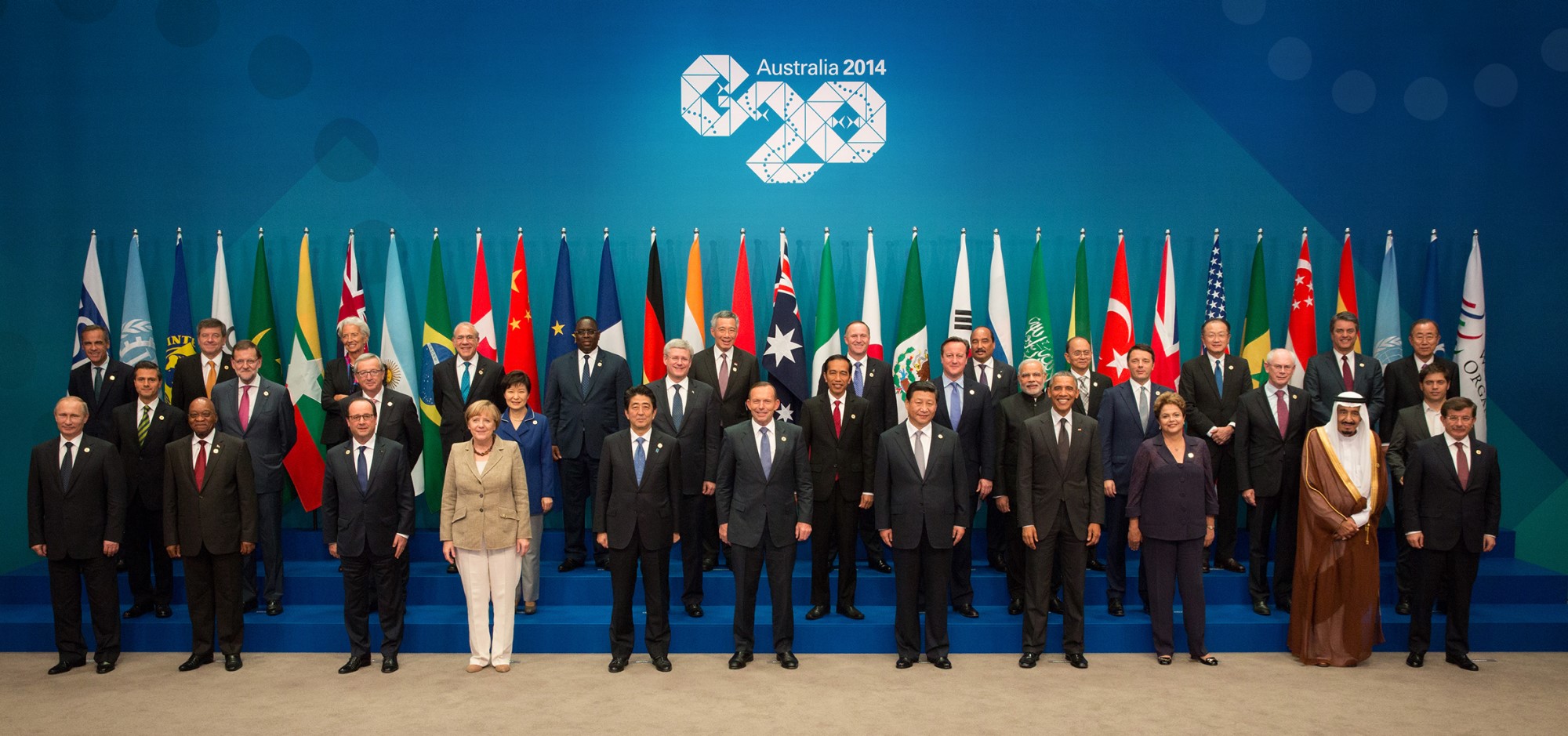
The G20, comprising 19 countries and the European Union, plays a crucial role in shaping global economic policies by providing a platform for advanced and emerging economies to collaborate on addressing major economic challenges. The G20 represents around 85% of global GDP and two-thirds of the worlRead more
The G20, comprising 19 countries and the European Union, plays a crucial role in shaping global economic policies by providing a platform for advanced and emerging economies to collaborate on addressing major economic challenges. The G20 represents around 85% of global GDP and two-thirds of the world’s population, making it a significant force in international economic governance.
Role of the G20
Policy Coordination:
The G20 coordinates macroeconomic policies among its members to promote global economic stability and growth. This includes addressing issues such as monetary policy, fiscal policy, and structural reforms.
Crisis Management:
The G20 has been instrumental in managing global financial crises. For example, during the 2008 financial crisis, the G20 coordinated stimulus measures that helped stabilize the global economy.
Financial Regulation:
The G20 works to improve financial regulation and supervision to prevent future crises. This includes efforts to strengthen banking regulations and increase transparency in financial markets.
Inclusive Growth:
The G20 promotes inclusive growth by addressing issues such as poverty, inequality, and sustainable development. This includes initiatives to support developing countries and integrate them into the global economy.
Influence of Advanced and Emerging Economies
Advanced Economies:
Countries like the United States, Germany, and Japan bring extensive experience in economic policy-making and substantial financial resources. They influence G20 agendas by promoting policies that stabilize and grow the global economy. For example, advanced economies often lead discussions on financial regulation and trade policies.
Emerging Economies:
Countries like China, India, and Brazil provide perspectives that ensure the interests of developing nations are represented. They advocate for policies that support sustainable development, poverty reduction, and equitable growth. Emerging economies also contribute to global demand and economic diversification.
Key Initiatives and Agreements
2008 Financial Crisis Response:
In response to the global financial crisis, the G20 implemented coordinated fiscal stimulus packages and pledged over $1 trillion to restore credit, growth, and jobs. This collective action helped to stabilize the global economy and prevent a deeper recession.
Basel III:
The G20 endorsed the Basel III regulatory framework, which introduced stronger capital and liquidity requirements for banks. This has enhanced the resilience of the global banking system and reduced the risk of future financial crises.
Paris Agreement on Climate Change (2015):
The G20 played a significant role in facilitating the Paris Agreement by promoting dialogue and consensus among member countries. The agreement aims to limit global warming and reduce greenhouse gas emissions, impacting global environmental and economic policies.
Digital Economy and Innovation:
The G20 has increasingly focused on the digital economy, recognizing its role in driving future growth. Initiatives include promoting digital infrastructure, enhancing cybersecurity, and fostering innovation.
Sustainable Development Goals (SDGs):
The G20 supports the United Nations’ SDGs, aiming to address global challenges such as poverty, inequality, and climate change. The G20’s endorsement and action plans help align national policies with these global objectives.
Impact on the Global Economy
Economic Stabilization:
The G20’s coordinated actions during the 2008 financial crisis demonstrated the power of collective response, stabilizing global markets and fostering recovery.
Financial System Resilience:
Regulatory frameworks like Basel III have strengthened the global financial system, making it more resilient to shocks.
Climate Action:
The G20’s support for the Paris Agreement has galvanized global efforts to combat climate change, influencing national policies and encouraging sustainable practices.
Digital Transformation:
G20 initiatives on the digital economy are fostering innovation, improving digital infrastructure, and addressing the digital divide, contributing to global economic growth and competitiveness.
By bringing together advanced and emerging economies, the G20 provides a unique forum for addressing global economic challenges, promoting stability, and fostering inclusive and sustainable growth. Its initiatives and agreements have a profound impact on the global economy, shaping policies that influence both national and international economic landscapes.
See less


 . These services also prevent and treat sexually transmitted infections, boosting community health.


Model Answer Introduction Feminization in agriculture refers to the increasing participation of women in agricultural activities. According to the National Sample Survey Organization (NSSO), over 70% of rural women workers are engaged in agriculture, highlighting a significant shift in labor dynamicRead more
Model Answer
Introduction
Feminization in agriculture refers to the increasing participation of women in agricultural activities. According to the National Sample Survey Organization (NSSO), over 70% of rural women workers are engaged in agriculture, highlighting a significant shift in labor dynamics in India.
Major Causes of Feminization of Indian Agriculture
Male Migration
One of the primary drivers of feminization is male migration. Agricultural distress has compelled many men to seek employment opportunities in urban areas. The 2011 Census reveals that approximately one-third of rural males migrated to cities in search of better economic prospects. As a result, women are left to manage agricultural activities and take on additional responsibilities on the farm.
Gender Wage Gap
The gender wage gap plays a crucial role in this transition. Men typically earn higher wages than women in various sectors. Consequently, when men migrate for better-paying jobs, the lower-wage agricultural labor is often left to women. This shift reinforces women’s participation in farming, as they fill the gap left by their male counterparts.
Increased Mechanization
The advent of agricultural mechanization has also influenced labor roles. As machines take over many tasks, men tend to pursue other employment opportunities. Traditional roles, such as harvesting and planting, are increasingly viewed as women’s work, leading to greater female engagement in agriculture as laborers rather than cultivators.
Scope for Exploitation
Women often face exploitation due to their limited access to education and agricultural skills. Their lack of bargaining power makes them more susceptible to low wages and irregular employment. This vulnerability perpetuates their involvement in agricultural labor, further feminizing the sector.
Poverty
Finally, poverty drives women to work as agricultural laborers to supplement family income. In many households, women’s earnings are crucial for survival, compelling them to participate actively in agricultural activities.
Conclusion
The feminization of agriculture in India is a complex reality shaped by economic and socio-cultural forces. To address this issue, inclusive agricultural policies must recognize women’s contributions, promote land ownership, and provide targeted training programs.
See less