

Sakshi SinghBegginer
Lost your password? Please enter your email address. You will receive a link and will create a new password via email.
Please briefly explain why you feel this question should be reported.
Please briefly explain why you feel this answer should be reported.
Please briefly explain why you feel this user should be reported.
Roadmap for Answer Writing 1. Introduction Definition of Agricultural Subsidies: Briefly explain what agricultural subsidies are and their purpose. Importance in India: Highlight the significance of these subsidies in India’s economy, mentioning that they constitute about 2% of India’s GDP. 2. Types of Subsidies ...

Model Answer Introduction Agricultural subsidies are vital financial aids that the Indian government offers to enhance farmers' income, reduce farming costs, and promote sustainability. These subsidies constitute about 2% of India’s GDP, playing a crucial role in the agricultural sector's health. DiRead more
Agricultural subsidies are vital financial aids that the Indian government offers to enhance farmers’ income, reduce farming costs, and promote sustainability. These subsidies constitute about 2% of India’s GDP, playing a crucial role in the agricultural sector’s health.
In conclusion, while agricultural subsidies support India’s farmers, the WTO raises valid concerns about market distortion that must be addressed through careful negotiation and reform.
See less>How can companies ethically transition to AI-driven processes without harming their workforce? >What new job opportunities do you think AI will create? >How can AI enhance the educational experience for students?

Ethical Transition to AI-Driven Processes: Reskilling and Upskilling: Companies should invest in training programs to help employees acquire new skills needed in an AI-driven workplace. Phased Implementation: Gradually integrating AI allows employees time to adapt and transition to new roles. TranspRead more
Ethical Transition to AI-Driven Processes:
New Job Opportunities Created by AI:
Enhancing Educational Experience with AI:

The Agnipath scheme, aimed at modernizing India's military by recruiting younger soldiers (Agniveers) on short-term contracts, presents both opportunities and challenges for military readiness and modernization. Here’s an analysis of its potential impact: Potential Impact on Military Readiness and MRead more
The Agnipath scheme, aimed at modernizing India’s military by recruiting younger soldiers (Agniveers) on short-term contracts, presents both opportunities and challenges for military readiness and modernization. Here’s an analysis of its potential impact:
To address these challenges and maximize the benefits, several strategies can be implemented:
The Agnipath scheme has the potential to modernize India’s military and make it more agile and cost-effective. However, the short-term nature of the Agniveer tenure poses significant challenges to operational capabilities and the retention of experienced personnel. By implementing strategic measures to address these challenges, the armed forces can mitigate the potential negative impacts and harness the benefits of this innovative recruitment approach.
See less
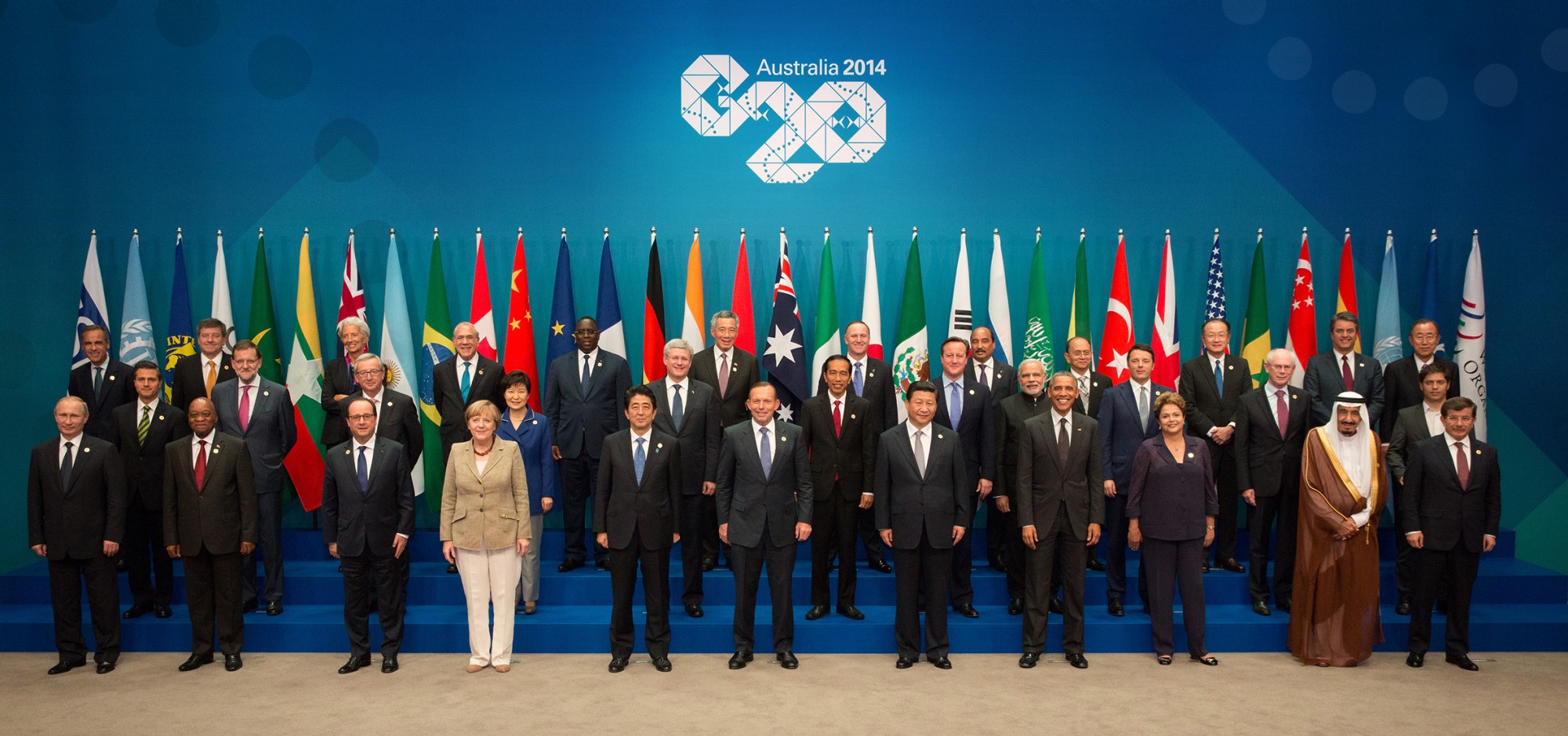
The G20, comprising 19 countries and the European Union, plays a crucial role in shaping global economic policies by providing a platform for advanced and emerging economies to collaborate on addressing major economic challenges. The G20 represents around 85% of global GDP and two-thirds of the worlRead more
The G20, comprising 19 countries and the European Union, plays a crucial role in shaping global economic policies by providing a platform for advanced and emerging economies to collaborate on addressing major economic challenges. The G20 represents around 85% of global GDP and two-thirds of the world’s population, making it a significant force in international economic governance.
Role of the G20
Policy Coordination:
The G20 coordinates macroeconomic policies among its members to promote global economic stability and growth. This includes addressing issues such as monetary policy, fiscal policy, and structural reforms.
Crisis Management:
The G20 has been instrumental in managing global financial crises. For example, during the 2008 financial crisis, the G20 coordinated stimulus measures that helped stabilize the global economy.
Financial Regulation:
The G20 works to improve financial regulation and supervision to prevent future crises. This includes efforts to strengthen banking regulations and increase transparency in financial markets.
Inclusive Growth:
The G20 promotes inclusive growth by addressing issues such as poverty, inequality, and sustainable development. This includes initiatives to support developing countries and integrate them into the global economy.
Influence of Advanced and Emerging Economies
Advanced Economies:
Countries like the United States, Germany, and Japan bring extensive experience in economic policy-making and substantial financial resources. They influence G20 agendas by promoting policies that stabilize and grow the global economy. For example, advanced economies often lead discussions on financial regulation and trade policies.
Emerging Economies:
Countries like China, India, and Brazil provide perspectives that ensure the interests of developing nations are represented. They advocate for policies that support sustainable development, poverty reduction, and equitable growth. Emerging economies also contribute to global demand and economic diversification.
Key Initiatives and Agreements
2008 Financial Crisis Response:
In response to the global financial crisis, the G20 implemented coordinated fiscal stimulus packages and pledged over $1 trillion to restore credit, growth, and jobs. This collective action helped to stabilize the global economy and prevent a deeper recession.
Basel III:
The G20 endorsed the Basel III regulatory framework, which introduced stronger capital and liquidity requirements for banks. This has enhanced the resilience of the global banking system and reduced the risk of future financial crises.
Paris Agreement on Climate Change (2015):
The G20 played a significant role in facilitating the Paris Agreement by promoting dialogue and consensus among member countries. The agreement aims to limit global warming and reduce greenhouse gas emissions, impacting global environmental and economic policies.
Digital Economy and Innovation:
The G20 has increasingly focused on the digital economy, recognizing its role in driving future growth. Initiatives include promoting digital infrastructure, enhancing cybersecurity, and fostering innovation.
Sustainable Development Goals (SDGs):
The G20 supports the United Nations’ SDGs, aiming to address global challenges such as poverty, inequality, and climate change. The G20’s endorsement and action plans help align national policies with these global objectives.
Impact on the Global Economy
Economic Stabilization:
The G20’s coordinated actions during the 2008 financial crisis demonstrated the power of collective response, stabilizing global markets and fostering recovery.
Financial System Resilience:
Regulatory frameworks like Basel III have strengthened the global financial system, making it more resilient to shocks.
Climate Action:
The G20’s support for the Paris Agreement has galvanized global efforts to combat climate change, influencing national policies and encouraging sustainable practices.
Digital Transformation:
G20 initiatives on the digital economy are fostering innovation, improving digital infrastructure, and addressing the digital divide, contributing to global economic growth and competitiveness.
By bringing together advanced and emerging economies, the G20 provides a unique forum for addressing global economic challenges, promoting stability, and fostering inclusive and sustainable growth. Its initiatives and agreements have a profound impact on the global economy, shaping policies that influence both national and international economic landscapes.
See less
The Olympic Games significantly impact global diplomacy and international relations by fostering unity, showcasing soft power, and providing a platform for peaceful interaction among nations. Through the Olympics, countries can engage in dialogue and cooperation, transcending political and culturalRead more
The Olympic Games significantly impact global diplomacy and international relations by fostering unity, showcasing soft power, and providing a platform for peaceful interaction among nations. Through the Olympics, countries can engage in dialogue and cooperation, transcending political and cultural differences.
For instance, the 2018 Winter Olympics in PyeongChang played a crucial role in easing tensions on the Korean Peninsula. North and South Korea marched together under a unified flag during the opening ceremony and fielded a joint women’s ice hockey team, symbolizing a rare moment of unity and diplomatic engagement amid longstanding hostilities.
Similarly, the 2008 Beijing Olympics highlighted China’s rising global influence and soft power. By hosting a spectacular event, China aimed to project an image of progress and modernity, enhancing its international standing and fostering diplomatic relationships.
The 2021 Tokyo Olympics, held amid the COVID-19 pandemic, showcased international solidarity and resilience. Despite challenges, countries collaborated to ensure the safety and success of the Games, reinforcing the spirit of global cooperation.
Overall, the Olympics serve as a microcosm of international diplomacy, where nations can demonstrate goodwill, resolve conflicts, and strengthen ties through sportsmanship and mutual respect, contributing to global peace and understanding.
See lesshow climate change is affecting the policy making in international forums? do you think the present international community is taking any considerate steps to tackle this issue?

Climate change impacts the world in numerous ways: Rising Temperatures: Global temperatures are increasing, causing more frequent and intense heatwaves. Sea Level Rise: Melting polar ice and glaciers contribute to rising sea levels, threatening coastal communities with flooding. Extreme Weather: TheRead more
Climate change impacts the world in numerous ways:
Rising Temperatures: Global temperatures are increasing, causing more frequent and intense heatwaves.
Sea Level Rise: Melting polar ice and glaciers contribute to rising sea levels, threatening coastal communities with flooding.
Extreme Weather: There’s an increased frequency of extreme weather events such as hurricanes, floods, and droughts, causing widespread damage.
Ecosystem Disruption: Species are forced to migrate, and some face extinction as their habitats change, disrupting ecosystems.
Food and Water Security: Altered weather patterns affect crop yields and water availability, leading to food and water shortages.
Human Health: There is a greater incidence of heat-related illnesses, respiratory issues, and the spread of vector-borne diseases due to changing climates.
Efforts to mitigate climate change focus on reducing greenhouse gas emissions and transitioning to renewable energy sources. Adaptation strategies include improving infrastructure resilience, developing sustainable agricultural practices, and enhancing early warning systems for extreme weather events. These combined efforts aim to minimize the adverse effects of climate change on human and ecological systems.
See lessIn case of recession, why are most companies laying off many of their employees?

During a recession, companies lay off employees primarily to manage costs and ensure survival. Revenue drops as consumer spending decreases, prompting businesses to reduce expenses, and labor is one of the largest costs. Layoffs help immediately cut payroll expenses and preserve cash flow, which isRead more
During a recession, companies lay off employees primarily to manage costs and ensure survival. Revenue drops as consumer spending decreases, prompting businesses to reduce expenses, and labor is one of the largest costs. Layoffs help immediately cut payroll expenses and preserve cash flow, which is crucial during economic uncertainty.
With lower demand for products and services, companies need fewer employees. Aligning the workforce with reduced demand helps maintain operational efficiency. Additionally, recessions often trigger restructuring efforts to streamline operations and eliminate redundancies, further driving layoffs.
Publicly traded companies face investor pressure to maintain profitability and protect stock prices. Layoffs signal decisive cost management, reassuring investors about the company’s financial health. For some businesses, layoffs are essential to avoid bankruptcy, ensuring they can continue operations during the downturn.
While layoffs are common, they can harm employee morale, company reputation, and long-term performance. Some companies explore alternatives like reducing executive salaries, cutting non-essential expenses, or implementing temporary furloughs to mitigate these impacts. Ultimately, layoffs are a strategic move to balance immediate cost reduction with the goal of emerging stronger post-recession.
See less
A significant crash in the stock market can have wide-ranging effects on the Indian economy. While the specific impacts depend on the severity and duration of the crash, here are some general effects that can be observed: 1. Impact on Investors and Household Wealth: Loss of Wealth: A stock market crRead more
A significant crash in the stock market can have wide-ranging effects on the Indian economy. While the specific impacts depend on the severity and duration of the crash, here are some general effects that can be observed:
1. Impact on Investors and Household Wealth:
Loss of Wealth: A stock market crash leads to a decline in the value of investments, which can reduce the wealth of individuals and households. This can lead to reduced consumer spending, particularly on non-essential goods and services.
Investor Confidence: A crash can significantly reduce investor confidence, making people more risk-averse. This may result in decreased participation in the stock market, which could slow down the recovery process.
2. Corporate Impact:
Capital Raising Difficulties: CaCompanies rely on the stock market to raise capital through equity issuance. A crash can make it more difficult and expensive for companies to raise funds, affecting their ability to invest in growth and expansion.
Debt Repayment Challenges: Companies with significant stock market exposure might face challenges in repaying their debts if their stock prices plummet, potentially leading to defaults.
3. Impact on Financial Institutions:
Banking Sector Stress: A decline in the stock market can affect the balance sheets of banks and financial institutions that have invested in equities. This might lead to tighter lending conditions, affecting the overall credit availability in the economy.
Insurance Companies and Pension Funds: These institutions, which often have significant investments in the stock market, may face losses that could impact their ability to meet long-term obligations.
4. Economic Growth:
Reduced Consumption: As household wealth declines and confidence wanes, consumer spending, a major driver of the Indian economy, may decrease. This can slow down economic growth.
Investment Slowdown: Both domestic and foreign investments may decline as the crash creates uncertainty about the future economic outlook. This can lead to reduced industrial production, slower job creation, and overall economic stagnation.
5. Government Revenue:
Lower Tax Revenue: A downturn in the stock market can lead to lower capital gains tax revenue for the government. Additionally, slower economic growth could reduce income tax and GST collections, straining the government’s fiscal position.
Increased Pressure for Stimulus: The government may face increased pressure to intervene with stimulus measures to stabilize the economy, which could lead to higher fiscal deficits.
6. Currency and Inflation:
Currency Depreciation: A stock market crash might lead to a flight of foreign capital from the Indian market, leading to a depreciation of the Indian Rupee. This can increase the cost of imports, potentially leading to higher inflation.
Inflationary Pressures: If the crash leads to currency depreciation or if the government implements stimulus measures that increase the money supply, inflation could rise, affecting the cost of living.
Foreign Investment and Global Perception.
The decline in Foreign Direct Investment (FDI) and Foreign Portfolio Investment (FPI): A crash could deter foreign investors, leading to reduced FDI and FPI. This can negatively impact sectors that rely on foreign capital and technology.
Global Perception: A severe market crash might affect India’s image as an attractive investment destination, leading to longer-term challenges in attracting global capital.
Conclusion:
A crash in the stock market can have significant and multifaceted effects on the Indian economy, from reducing household wealth and consumer spending to affecting corporate investment and government revenue. The extent of the impact depends on how prolonged and deep the crash is, and how effectively the government and financial institutions respond to stabilize the situation.
in an era marked by escalating climate change impacts, state the challenges and prospects of climate financing in India or developing countries as a whole.

Prospects of Climate Financing in India - Net Zero Emissions Target: India has set a target of reaching net zero emissions by 2070, which will require significant investment in renewable energy and other low-carbon technologies ¹. - Climate Finance Needs: India requires an estimated $2Read more
Prospects of Climate Financing in India
– Net Zero Emissions Target: India has set a target of reaching net zero emissions by 2070, which will require significant investment in renewable energy and other low-carbon technologies ¹.
– Climate Finance Needs: India requires an estimated $2.5 trillion to meet its climate mitigation commitments by 2030, and an additional $1 trillion for adaptation and resilience investments ².
– Current Investment: Current investment in climate finance in India fulfills less than 25% of the estimated needs, highlighting the need for increased investment ².
– Role of Financial Institutions: Sector-specific financial institutions, such as REC Limited and Power Finance Corporation, play a crucial role in mobilizing green funds and driving the transition to cleaner energy ¹.
– Green Climate Fund: India has accessed funding from the Green Climate Fund, which aims to accelerate transformative climate action in developing countries ³.
– Challenges: Despite progress, climate finance in India faces challenges, including the need for innovative financial solutions, addressing barriers to investment, and fostering a sustainable finance ecosystem ¹.
– Opportunities: Climate finance in India presents opportunities for growth, including the development of new financial instruments, mobilizing debt, and strengthening capital markets ².
See less


Indian professionals pursuing careers abroad after education in India raises questions about "brain drain" versus globalization benefits. - Brain Drain: Talented individuals leaving India deprives the country of skilled workforce, hindering national development and progress. - Globalization benefitsRead more
Indian professionals pursuing careers abroad after education in India raises questions about “brain drain” versus globalization benefits.
– Brain Drain:
Talented individuals leaving India deprives the country of skilled workforce, hindering national development and progress.
– Globalization benefits:
Remittances, knowledge transfer, and international connections can benefit India, fostering global collaborations and economic growth.
– Ethical implications:
Individuals choosing to work abroad may prioritize personal growth over contributing to India’s development, raising ethical concerns.
– Counterargument:
Acquiring global experience and expertise can enable individuals to contribute meaningfully to India’s growth upon return.
– Government role:
Encouraging return migration, creating opportunities, and fostering innovation can harness the benefits of globalization while minimizing brain drain.
Way Forward:
India should adopt a balanced approach, acknowledging both perspectives, and create an ecosystem that encourages talent to contribute to national growth while allowing for global exposure and collaboration, ensuring ethical considerations align with individual and national aspirations.
See less