

What is a major ethical concern related to AI?


Corruption, like a looming shadow over governance, undermines trust, stifles prosperity, and erodes societal ideals. Addressing corruption is pivotal to India's developmental journey. Here's how we can weave a brighter fabric for the nation: Adopting Technological Vigilance Embrace transparency throRead more
Corruption, like a looming shadow over governance, undermines trust, stifles prosperity, and erodes societal ideals. Addressing corruption is pivotal to India’s developmental journey. Here’s how we can weave a brighter fabric for the nation:
- Adopting Technological Vigilance
- Embrace transparency through comprehensive e-governance projects. Digital platforms streamline operations and offer a transparent view of decision-making, reducing opportunities for corruption.
- Enhancing Legal Fortifications
- Strengthen existing anti-corruption laws like the Prevention of Corruption Act, 1988 and the Whistleblower Protection Act, 2014 to deter corruption and protect whistleblowers.
- Empowering the Guardians of Integrity
- Enhance the autonomy, resources, and authority of the Central Vigilance Commission (CVC) to effectively combat corruption across government sectors. Expedite corruption trials through judicial reforms.
- Promoting Ethical Governance
- Instill ethics training and enforce strict codes of conduct for civil servants. Transparent citizen charters and public hearings hold leaders accountable and foster mutual trust.
- Illuminating Minds with Awareness
- Educate through media campaigns and integrated school curricula about the detrimental effects of corruption. Nurture a future generation committed to ethical governance.
- Collaborating on Global Frontiers
- Engage in international anti-corruption programs to bolster defenses against cross-border corruption and illegal financial activities.
Historical Measures Against Corruption in India
India has implemented several initiatives to combat corruption over the years. Here are a few notable efforts and reforms:
- Prevention of Corruption Act, 1988: Enacted to prosecute corruption by public servants and others involved. Amendments over time have strengthened punitive provisions and expanded areas of accountability.
- Central Vigilance Commission (CVC): Established to oversee vigilance administration and advise on anti-corruption measures. Acts as a statutory agency to investigate corruption claims against public personnel.
- Lokpal and Lokayuktas Act, 2013: Established Lokpal at the central level and Lokayuktas at the state level to investigate and prosecute corruption cases against public officials, providing an independent process for handling corruption complaints.
- Whistleblower Protection Act, 2014: Protects whistleblowers disclosing corruption and wrongdoing in government organizations, offering safeguards against victimization and procedures for investigating disclosures.
- Digitization and E-Governance Efforts: Introduction of digital platforms and e-governance initiatives to minimize human interaction and enhance transparency in government transactions, such as e-tendering and online service delivery portals.
- Judicial Reforms: Measures to expedite corruption trials and ensure prompt justice, including special courts for corruption cases and procedural enhancements.
- Ethical Governance Initiatives: Implementation of codes of conduct and ethics training for civil servants to promote integrity and ethical behavior, reinforced by citizen charters and public service guarantees.
- Global Anti-Corruption Efforts: Participation in international conventions and partnerships to prevent corruption, sharing best practices and enhancing global anti-corruption strategies.
Impact and Challenges
While these policies mark significant strides in combating corruption, challenges like implementation gaps, institutional inertia, and cultural acceptance remain. However, ongoing reforms, public awareness campaigns, and technological advancements provide hope for a more transparent and accountable governance structure in India.
By building on past successes and addressing current obstacles, India can reaffirm its commitment to combating corruption and upholding integrity and justice in governance.
See less


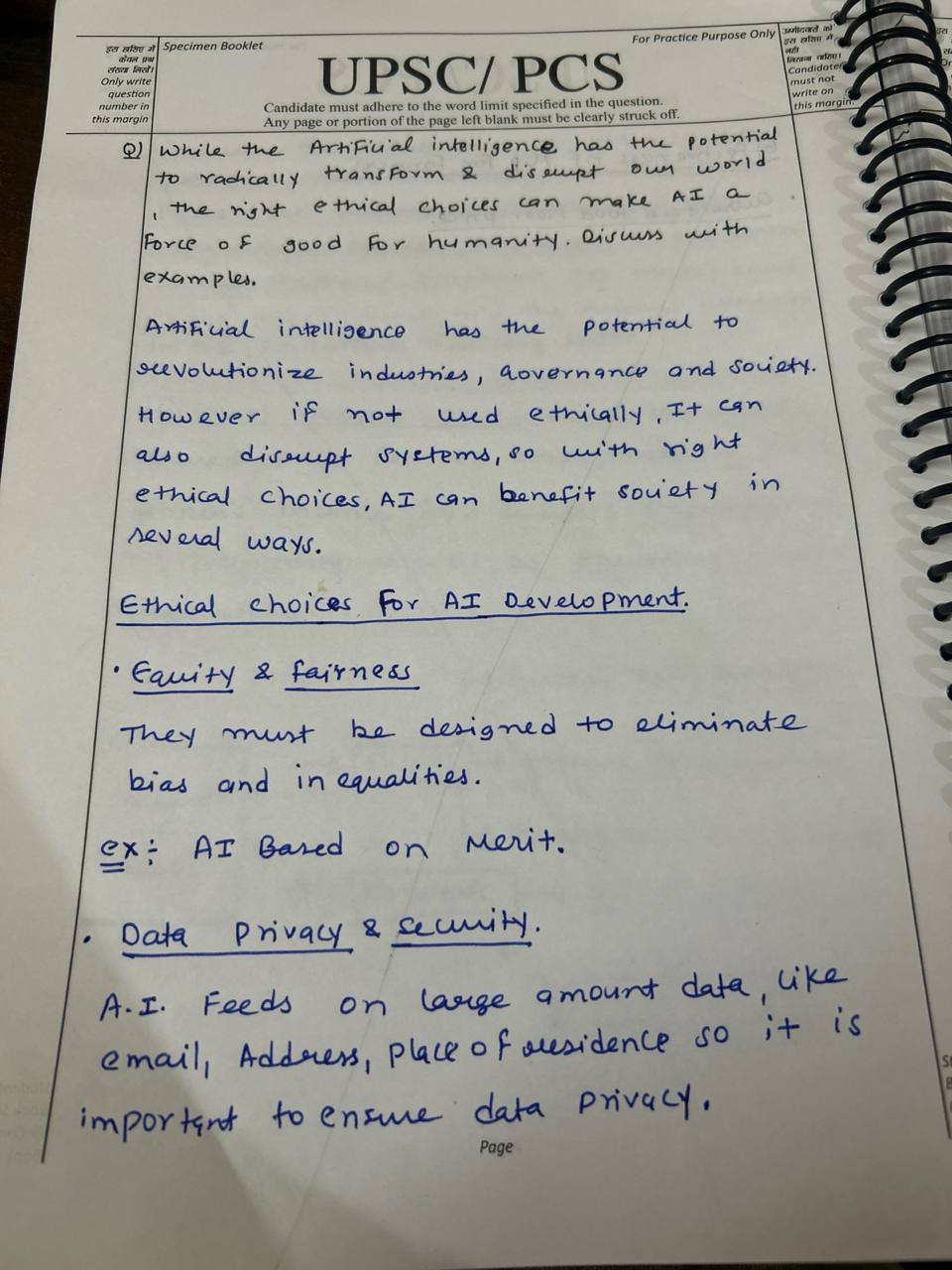
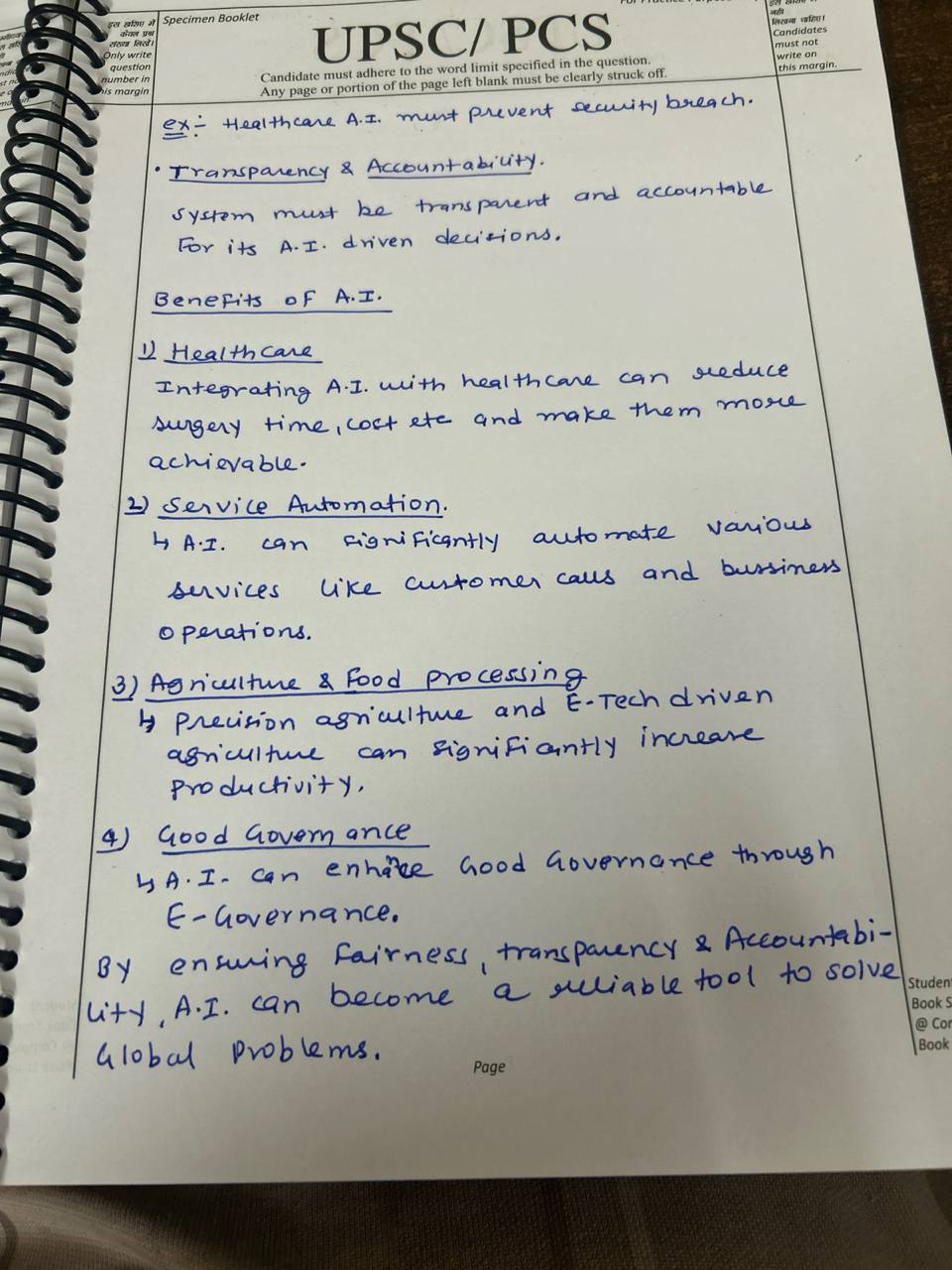


One major ethical concern related to AI is bias and fairness. AI systems can inadvertently reinforce and amplify biases present in the data they are trained on, leading to unfair and discriminatory outcomes. For example, an AI recruitment tool used by a major tech company was found to be biased agaiRead more
One major ethical concern related to AI is bias and fairness. AI systems can inadvertently reinforce and amplify biases present in the data they are trained on, leading to unfair and discriminatory outcomes.
For example, an AI recruitment tool used by a major tech company was found to be biased against female candidates. The tool was trained on historical resume data that predominantly featured male candidates, resulting in the system favoring men over women for technical positions. This instance highlights the challenges of ensuring fairness in AI-driven hiring processes.
Another significant issue is seen in facial recognition technology, which has been criticized for its inaccuracies and biases. Research has shown that such systems often perform less accurately on darker-skinned and female faces compared to lighter-skinned and male faces. This discrepancy underscores the importance of using diverse and representative training data to prevent reinforcing societal inequalities.
To address these concerns, it is crucial to implement robust testing, utilize diverse datasets, and ensure transparent and accountable methodologies in AI development. Fairness in AI is essential for building trust and ensuring that these technologies serve all individuals equitably.
See less