

“One is not born a woman, but becomes one” – Simone de Beauvoir What do you understand by this statement, keeping the situations faced by women in past, in mind? Do you agree? Do you think that this ...


Women's education is the most important thing from the early developing country. It's seems like that time the women's were not that powerful to get an education by their own choice, if the guardian of the house(father or any male character) gave permission to them they were allowed then. It's quiteRead more
Women’s education is the most important thing from the early developing country. It’s seems like that time the women’s were not that powerful to get an education by their own choice, if the guardian of the house(father or any male character) gave permission to them they were allowed then. It’s quite natural to have such power at that time. But now women’s can choose their own education, power, and everything. The education of all over the world has grown up time to time. Even the male characters of the society doesn’t require any permission to give them the power they actually have. Education system is now becoming powerful and worthy.
See less


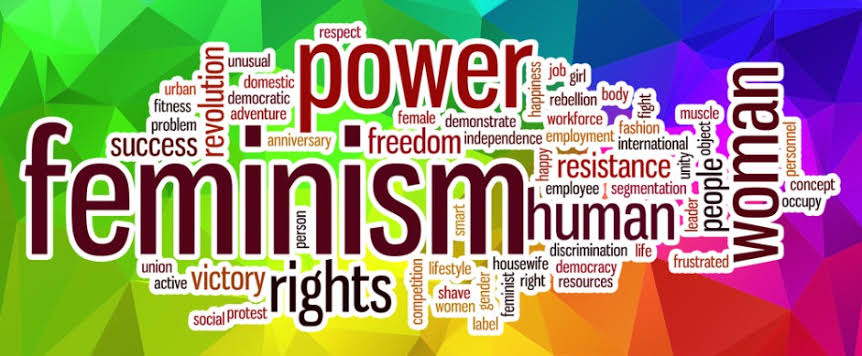


Simone de Beauvoir's quote "One is not born a woman, but becomes one" means that being a woman isn't just about biology; it's shaped by society's expectations and roles. In the past, women were often expected to focus on home and family, with limited opportunities outside these roles. For example, eRead more
Simone de Beauvoir’s quote “One is not born a woman, but becomes one” means that being a woman isn’t just about biology; it’s shaped by society’s expectations and roles. In the past, women were often expected to focus on home and family, with limited opportunities outside these roles. For example, early 20th-century women fought for voting rights, challenging the idea that their place was only in the home.
Today, while women have more opportunities, challenges like unequal pay and fewer leadership roles still exist. This quote reminds us that societal norms influence how we see gender roles and what we expect from women and men. It encourages us to think about how these expectations affect people’s lives and choices.
In essence, de Beauvoir’s quote urges us to question and change outdated ideas about gender, promoting fairness and equal opportunities for everyone, regardless of gender.
See less