

Assess the role of the Indian Armed Forces in the partition of the country and the integration of the princely states into the Union.


Implications of the Transfer of Power and Partition of India on the Socio-Economic and Political Landscape of the Newly Independent Nation 1. Political Implications Formation of Two Independent Nations: The transfer of power in 1947 led to the creation of two independent dominions, India and PakistaRead more
Implications of the Transfer of Power and Partition of India on the Socio-Economic and Political Landscape of the Newly Independent Nation
1. Political Implications
- Formation of Two Independent Nations: The transfer of power in 1947 led to the creation of two independent dominions, India and Pakistan. This division not only reshaped the political map of South Asia but also introduced complex political dynamics in both countries.
- Establishment of Governance Structures: India adopted a democratic framework with a parliamentary system, whereas Pakistan initially embraced a parliamentary system but faced challenges in establishing a stable political structure. Over time, Pakistan experienced periods of military rule which impacted its political stability.
- Administrative and Legal Challenges: Both nations had to develop new administrative structures and legal systems from scratch. India established a federal structure with a strong central government, while Pakistan initially opted for a unitary form of governance, which later evolved into a federal structure with varying degrees of autonomy for provinces.
2. Socio-Economic Implications
- Displacement and Refugee Crisis: The partition triggered one of the largest mass migrations in human history. An estimated 10-15 million people were displaced as Hindus and Sikhs moved to India and Muslims to Pakistan. This led to significant humanitarian crises and socio-economic disruptions in both countries.
- Economic Dislocation: The partition caused severe economic disruptions. Industries and resources were divided, often leaving newly formed Pakistan with fewer resources and economic disadvantages compared to India. For instance, Punjab, an economically prosperous region, was divided, causing economic strain on both sides.
- Impact on Agriculture and Trade: The partition disrupted agricultural patterns and trade routes. The Punjab region, known for its agricultural productivity, was divided, leading to challenges in maintaining food security and economic stability. The loss of pre-partition trade routes also impacted the economies of both nations.
3. Social and Cultural Implications
- Inter-Communal Tensions and Violence: The partition exacerbated communal tensions, leading to widespread violence and loss of life. The communal riots during and after partition had long-lasting impacts on inter-community relations and social cohesion.
- Cultural Integration and Identity: In the aftermath of partition, both nations faced challenges in shaping their national identities. India, with its diverse population, worked towards a pluralistic national identity, whereas Pakistan focused on defining its identity around Islam, which has influenced its socio-cultural policies.
- Legacy of Partition: The trauma of partition left enduring legacies of distrust and division. Issues related to minority rights, communal violence, and territorial disputes (e.g., Kashmir) have continued to shape the socio-political landscape of the subcontinent.
4. International Relations and Diplomacy
- Regional Tensions: The partition created lasting tensions between India and Pakistan, impacting their bilateral relations and regional stability. Disputes over Kashmir and border skirmishes have been persistent issues affecting regional security and cooperation.
- Global Alignment and Foreign Policy: Post-partition, India pursued a non-aligned foreign policy, striving to maintain neutrality in global power struggles. Conversely, Pakistan aligned itself more closely with the United States and other Western powers during the Cold War era, influencing its foreign policy and international relations.
Conclusion
The transfer of power and the partition of India were pivotal events that significantly influenced the socio-economic and political landscape of the newly independent nations. The enduring effects of these events continue to shape the subcontinent’s dynamics, highlighting the complex legacy of partition in contemporary South Asia.
See less


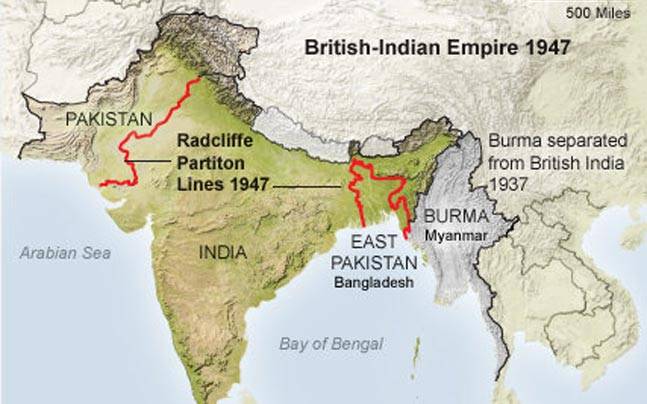


Assessing the Role of the Indian Armed Forces in the Partition of the Country and the Integration of the Princely States into the Union The role of the Indian Armed Forces during the partition of India in 1947 and the subsequent integration of princely states was pivotal in shaping the nascent IndiaRead more
Assessing the Role of the Indian Armed Forces in the Partition of the Country and the Integration of the Princely States into the Union
The role of the Indian Armed Forces during the partition of India in 1947 and the subsequent integration of princely states was pivotal in shaping the nascent Indian state. This period was marked by both conflict and diplomacy, with the Armed Forces playing crucial roles in ensuring territorial integrity and maintaining order.
1. The Partition of India (1947)
Role in Maintaining Order and Security:
During the partition of India, the Indian Armed Forces were instrumental in managing the mass migrations and communal violence that erupted as a result of the division. The rapid movement of millions of people between India and Pakistan led to significant unrest and lawlessness. The Armed Forces were deployed to maintain order and provide security in various regions affected by the turmoil.
Recent Example:
A comparison can be drawn with the recent handling of communal violence in India, such as the 2020 Delhi riots. The role of the armed forces and paramilitary forces in restoring order and providing humanitarian assistance underscores their continued importance in managing internal conflicts and ensuring national security.
2. Integration of Princely States (1947-1948)
Military Pressure and Diplomatic Negotiations:
The integration of princely states into the Indian Union was a complex process involving both diplomatic negotiations and, at times, military intervention. The Indian Armed Forces played a decisive role in this integration, particularly in states that were reluctant to join the Union.
Recent Example:
The ongoing dispute in Jammu and Kashmir continues to illustrate the complexities of territorial integration and the role of the military in maintaining order. The revocation of Article 370 in 2019 and the subsequent security measures reflect the enduring importance of military and security forces in managing regional stability.
3. Summary
The Indian Armed Forces played a dual role during the transition from British India to the independent Republic of India. They were crucial in:
Their actions during this formative period laid the foundation for India’s national integrity and territorial unity, illustrating their essential role in the country’s historical and geopolitical landscape.
See less