


Making India's education system more inclusive for differently-abled students requires a multifaceted approach. Physical accessibility is crucial. Schools need to be equipped with ramps, elevators, and accessible restrooms to ensure freedom of movement for all students. Teacher training is paramountRead more
Making India’s education system more inclusive for differently-abled students requires a multifaceted approach.
- Physical accessibility is crucial. Schools need to be equipped with ramps, elevators, and accessible restrooms to ensure freedom of movement for all students.
- Teacher training is paramount. Educators need to be equipped with the knowledge and skills to understand and support the specific needs of differently-abled students, fostering an inclusive and welcoming classroom environment.
- Curriculum flexibility is key. The curriculum should be adaptable, allowing for diverse teaching methodologies and assessment methods. For example, visually impaired students may require Braille or audio formats for textbooks, while hearing-impaired students could benefit from sign language interpreters or captioned videos.
- Technology plays a pivotal role. Assistive tools like screen readers, speech-to-text software, and communication devices empower differently-abled students to engage in learning effectively. Digital platforms can offer personalized learning experiences tailored to individual needs, and virtual classrooms provide flexibility for learning at one’s own pace.
By embracing these strategies, India can create a more inclusive education system. Collaboration between the government, schools, and technology companies is essential, along with community support, to ensure every student has an equal opportunity to thrive.
See less

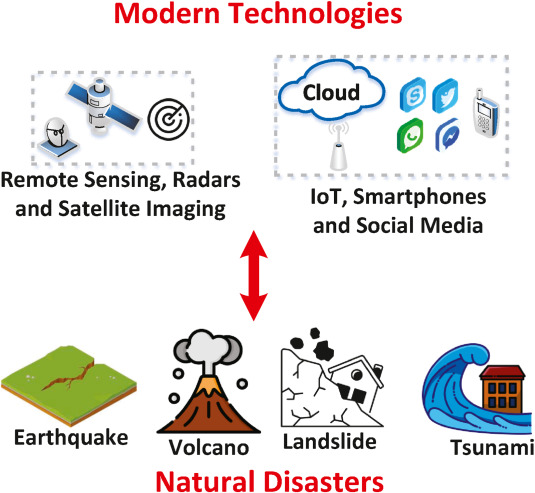 Advancements in satellite technology significantly enhance global climate monitoring and disaster response by providing detailed, timely, and accurate data. Here’s how:


![[Deleted User]](https://mainsanswerwriting.com/wp-content/plugins/WPQA/images/default-image.png "[Deleted User]")


In the future, technology will revolutionize healthcare with AI-driven diagnostics and personalized medicine, improving disease detection and treatment while cutting costs. Autonomous vehicles will enhance transportation safety and efficiency, reducing accidents and dependence on fossil fuels. VR anRead more
In the future, technology will revolutionize healthcare with AI-driven diagnostics and personalized medicine, improving disease detection and treatment while cutting costs. Autonomous vehicles will enhance transportation safety and efficiency, reducing accidents and dependence on fossil fuels. VR and AR will transform communication and learning, bridging distances and reshaping education and remote work. IoT will create smart homes that automate tasks and optimize energy use, simplifying daily life. Advancements in renewable energy will combat climate change by fostering greener, more resilient energy systems. Overall, technology promises to enhance efficiency, sustainability, and connectivity across various domains, offering solutions to everyday challenges in unprecedented ways.
See less