

The question examines how the practices and tools used in astrology contributed to advancements in astronomy and in the technologies of star observation.


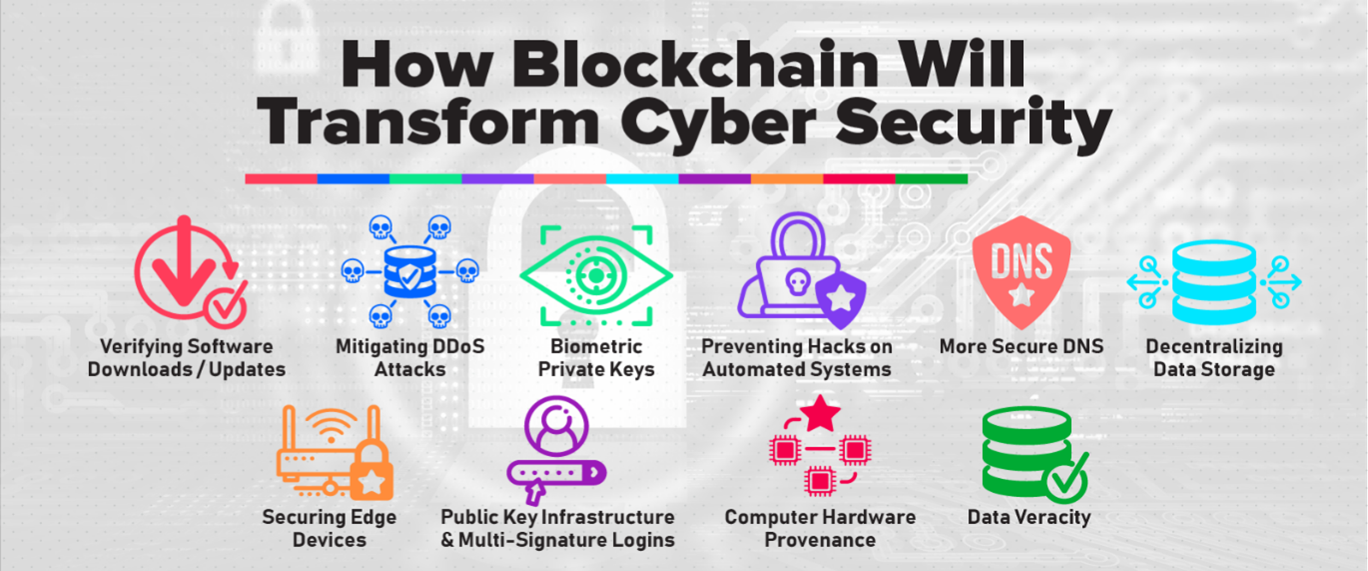
Blockchain technology's decentralized nature is revolutionizing cybersecurity in several key ways: 1. Distributed Ledger: Blockchain operates as a distributed ledger, meaning that data is stored across a network of computers (nodes) rather than a single central server. This makes it much moreRead more
Blockchain technology’s decentralized nature is revolutionizing cybersecurity in several key ways:
1. Distributed Ledger: Blockchain operates as a distributed ledger, meaning that data is stored across a network of computers (nodes) rather than a single central server. This makes it much more difficult for hackers to attack because there is no single point of failure. Compromising the network would require simultaneously attacking a majority of the nodes.
2. Immutability: Once data is recorded on a blockchain, it is extremely difficult to alter. This immutability helps prevent unauthorized changes and tampering. Each block is cryptographically linked to the previous one, creating a secure chain of information.
3. Transparency and Traceability: Transactions on a blockchain are transparent and can be traced back to their origin. This transparency deters fraudulent activities and enhances trust, as all participants can see the same information and verify it independently.
4. Decentralized Consensus: Blockchain uses consensus mechanisms (such as Proof of Work or Proof of Stake) to validate transactions. This means that no single entity controls the verification process, reducing the risk of corruption or manipulation.
5. Enhanced Security Protocols: Blockchain technology employs advanced cryptographic techniques to secure data. Public and private keys, along with digital signatures, ensure that only authorized users can access and execute transactions.
6. Smart Contracts: These are self-executing contracts with the terms directly written into code. They automatically enforce and execute agreements when predetermined conditions are met, reducing the need for intermediaries and enhancing security through automation.
By decentralizing data storage and verification, blockchain technology significantly enhances cybersecurity, making systems more resilient to attacks, reducing fraud, and increasing trust among users.
See less

![[Deleted User]](https://mainsanswerwriting.com/wp-content/plugins/WPQA/images/default-image.png "[Deleted User]")


Early astronomy instruments and methods were greatly influenced by astrology. Astronomical theories and the study of celestial events were closely related in ancient societies like Babylon, Egypt, and Greece. More precise observational instruments were required because astrologers aimed to forecastRead more
Early astronomy instruments and methods were greatly influenced by astrology. Astronomical theories and the study of celestial events were closely related in ancient societies like Babylon, Egypt, and Greece. More precise observational instruments were required because astrologers aimed to forecast earthly events by comprehending the movements of planets and stars.
To anticipate eclipses and planetary placements, for example, the Babylonians developed early astronomical tables and improved observing tools such as the gnomon, which was the ancestor of the current sundial. Similarly, astrological considerations had a significant influence on the work of Greek astronomers like Hipparchus, who is often regarded as a pioneer in the creation of trigonometry. The necessity to comprehend celestial body placements for astrological forecasts drove him to create star catalogs and systems for predicting celestial events.
All things considered, astrology served as the inspiration and the basic structure for the creation of astronomical instruments and methods. As a result of the quest for astrological information, observational astronomy advanced, setting the stage for the ultimate separation of astronomy and astrology and the development of contemporary scientific techniques.
See less