


The next steps in human space exploration include missions to the Moon, Mars, and beyond. The Artemis program aims to return humans to the Moon by 2025, establishing a sustainable presence with a lunar gateway and surface habitats. This will serve as a testing ground for technologies and systems neeRead more
The next steps in human space exploration include missions to the Moon, Mars, and beyond. The Artemis program aims to return humans to the Moon by 2025, establishing a sustainable presence with a lunar gateway and surface habitats. This will serve as a testing ground for technologies and systems needed for future missions to Mars.
Mars exploration is a key goal, with plans for crewed missions in the 2030s. NASA, SpaceX, and other organizations are working on spacecraft, habitats, and life support systems to make this a reality. Establishing a human presence on Mars involves developing reliable transportation, creating self-sustaining habitats, and ensuring safe return missions.
Beyond Mars, human exploration may extend to asteroids, the moons of Jupiter and Saturn, and even interstellar travel. These ambitious goals require advancements in propulsion systems, radiation protection, and life support technologies.
Challenges to Overcome
- Radiation Exposure: Spacecraft must be designed to protect astronauts from harmful cosmic and solar radiation.
- Life Support Systems: Developing reliable systems for air, water, and food is crucial for long-duration missions.
- Propulsion Technology: Faster propulsion systems are needed to reduce travel time and ensure efficient space travel.
- Psychological and Physical Health: Addressing the impacts of long-term space travel on mental and physical health.
- Sustainable Habitats: Creating self-sufficient habitats that can support human life in harsh environments.
- International Cooperation: Collaboration among nations and private entities is essential for resource sharing and mission success.


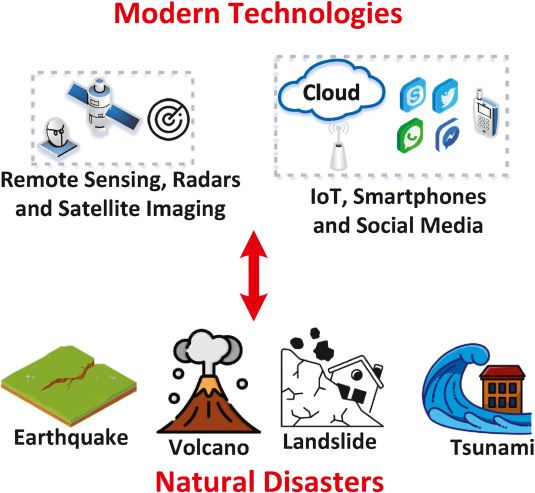 Advancements in satellite technology significantly enhance global climate monitoring and disaster response by providing detailed, timely, and accurate data. Here’s how:


The use of space technology is essential for maintaining national security since it offers key tools for navigation, communication, surveillance, and reconnaissance. Satellites guarantee connectivity in hostile and distant places and facilitate secure military communications. Additionally, they offeRead more
The use of space technology is essential for maintaining national security since it offers key tools for navigation, communication, surveillance, and reconnaissance. Satellites guarantee connectivity in hostile and distant places and facilitate secure military communications. Additionally, they offer real-time intelligence and surveillance, which is essential for border management, precision targeting, and threat monitoring.
For military operations, space-based navigation systems such as GPS are essential because they provide highly accurate guidance for soldiers, vehicles, and missiles. Early warning systems improve a country’s capacity for response and preparation by identifying natural disasters and missile launches. Furthermore, space technology is essential to cybersecurity because it guards against vulnerabilities in satellites and other space assets.
India’s national security capabilities have grown greatly as a result of its space operations, which are led by the Indian Space Research Organization (ISRO). India’s ability to keep an eye on its borders and situational awareness has grown with the launch of reconnaissance satellites like the RISAT series. For military and strategic objectives, communication satellites such as GSAT improve secure communication lines.
NavIC, India’s regional navigation satellite system, offers dependable and autonomous navigation services that are essential for military uses. Furthermore, India’s ability to defend its space assets and fend off enemies was proven by the successful Anti-Satellite (ASAT) test conducted in 2019.
All things considered, India’s space missions have strengthened its technological capability, strategic autonomy, and capacity to successfully handle issues related to national security.
See less