
Mains Answer Writing Latest Questions


Yash ThakurBegginer
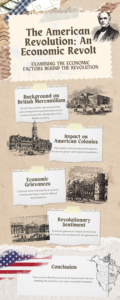
“In essence, the American Revolution was an economic uprising against British mercantilism and American capitalism.” Analyze critically.


Rajdip SinhaBegginer
-
This answer was edited.
When choosing between higher clock speeds and more CPU cores for a smoother day-to-day experience, it’s essential to strike a balance. Here’s the breakdown: CPU Core Count: Cores handle multiple tasks simultaneously, enhancing multitasking capabilities. Ideal for content creation (video rendering, 3Read more
When choosing between higher clock speeds and more CPU cores for a smoother day-to-day experience, it’s essential to strike a balance. Here’s the breakdown:
- CPU Core Count:
- Cores handle multiple tasks simultaneously, enhancing multitasking capabilities.
- Ideal for content creation (video rendering, 3D modeling) and modern gaming.
- More cores mean better parallel processing
- Clock Speeds (Frequency):
- Faster clock speeds complete individual tasks more rapidly.
- Beneficial for older software that isn’t optimized for multi-core processors.
- High-frequency CPUs feel snappier for everyday tasks
- CPU Core Count:


Kirti PriyaBegginer
-
Charles Dickens' novels are widely regarded as accurate reflections of Victorian society, offering detailed portrayals of its social conditions, injustices, and the lives of its people. Dickens, through his vivid storytelling and memorable characters, captured the essence of the era's socio-economicRead more
Charles Dickens’ novels are widely regarded as accurate reflections of Victorian society, offering detailed portrayals of its social conditions, injustices, and the lives of its people. Dickens, through his vivid storytelling and memorable characters, captured the essence of the era’s socio-economic disparities. His works highlight the struggles of the poor, the exploitation of children, and the corruption prevalent within institutions.
For instance, in “Oliver Twist,” Dickens exposes the brutal realities of workhouses and the criminal underworld, emphasizing the harsh lives of orphaned children. “Hard Times” critiques the dehumanizing effects of industrialization on workers, while “Bleak House” delves into the inefficiencies and inequities of the legal system. Dickens’ characters, from the impoverished but resilient to the wealthy and morally corrupt, provide a broad spectrum of society, showcasing the class divide and its impacts.
However, while Dickens’ novels offer insightful social commentary, they are ultimately works of fiction. Some aspects are exaggerated for dramatic effect, and his personal biases and moral viewpoints color his portrayals. Nonetheless, Dickens’ vivid narratives and keen observations make his novels invaluable for understanding the complexities and challenges of Victorian society.
See less


Gaurav ReddyBegginer
Describe imperialism and how the Industrial Revolution is related to it. How did developed countries exercise control over conquered areas using their technological advances?
-
Imperialism, a policy of exerting influence and expanding a nation's dominion through diplomacy or military force, gained significant traction during the Industrial Revolution. The industrialized nations leveraged breakthrough technological advancements to foster economic growth and exert unprecedenRead more
Imperialism, a policy of exerting influence and expanding a nation’s dominion through diplomacy or military force, gained significant traction during the Industrial Revolution. The industrialized nations leveraged breakthrough technological advancements to foster economic growth and exert unprecedented control over colonized regions. Ex- the British expansion into India.
Concept of Imperialism:
- Territorial Acquisition and Dominance: The British colonization of India and large parts of Africa is a prime example, where territories were acquired for economic and strategic advantage, facilitating a broader sphere of influence.
- Economic Exploitation and Resource Control: For instance, Belgium exploited Congo for rubber and ivory, channeling these resources to meet the demand created by their industrial sector. It is estimated that Britain drained a total of nearly $45 trillion from India in its two centuries of rule.
- Cultural Superiority and Assimilation: The British implemented policies encouraging English education in India, significantly impacting the Indian society’s linguistic landscape.
- Strategic Advantage in Geopolitics: Colonization of Singapore by the British, situated in a strategically vital location, is a testament to leveraging geographical locations for geopolitical advantages.
Connection of Imperialism to the Industrial Revolution:
- Escalated Demand for Raw Materials: For example, the British textile industry had an insatiable appetite for cotton, a demand that was largely met by the vast agricultural landscapes of colonies such as India and Egypt.
- Emergence of New Markets for Industrial Goods: Industrial revolution furnished an array of new products and technologies. The colonies served as untapped markets where these goods were sold, creating an economic symbiosis.
- Infrastructure Advancements for Economic Gains: Major infrastructure advancements occurred during this period, symbolized by projects like the Suez Canal facilitated by the French in Egypt. It revolutionized maritime trade dynamics, offering a faster route to the Indian Ocean.
- Financial Institutions Backing Imperial Ventures: Financial institutions played a crucial role in supporting imperial endeavors. Banks like HSBC were pivotal in financing trades and infrastructure projects, particularly in the colonies, thus spearheading economic expansion.
- Communication Revolution for Centralized Control: The development of Railways and telegraph cables, like the All Red Line, revolutionized communication, ensuring direct and speedy contact between different parts of the British Empire, thus enhancing centralized control and coordination.
Ways in which Industrialized nations used their Technological Advancements Exerting Control:
- Superior Firearms and Artillery: The advent of superior weaponry such as the Maxim gun redefined warfare. It was a symbol of technological might, showcasing the ability to overpower indigenous forces substantially, often tilting the scales of battle in favour of the colonizers.
- Scientific Discoveries: The establishment of botanical gardens in the colonies allowed for the scientific exploration and exploitation of plant resources, paving the way for bioprospecting and the commodification of natural resources.
- Telegraph Lines for Efficient Administration: The telegraph networks, notably established in regions like India, were a testament to the structured and centralized administrative mechanism the imperial powers envisaged and implemented, streamlining communication like never before.
- Medical Breakthroughs in Tackling Endemic Diseases: The discovery of quinine, for instance, allowed Europeans to venture and establish strongholds in malaria-prone regions, opening avenues for colonization that were previously deemed uninhabitable.
- Standardization of Time: Standardization emerged as a critical administrative tool with the adoption of Greenwich Mean Time (GMT) across different territories, fostering synchronized operations and facilitating administrative harmony across vast stretches of land.
- Revolutionized Transportation: Railroads transformed transportation, with structures like the Trans-Siberian Railway being a hallmark of this era, emphasizing quick mobilization of troops and resources, a vital aspect in maintaining a stronghold over expansive territories.
- Maritime Innovations for Expanded Reach: The maritime sector experienced a renaissance with innovations such as the introduction of steamships, which significantly extended the European powers’ reach, enabling deeper penetration into Africa and Asia.
Overall, imperialism was intricately linked with the technological strides made during the Industrial Revolution. Industrialized nations adeptly utilized the technological advancements of the era to forge economic dynamics that served their interests, while simultaneously imprinting their cultural and societal norms on the colonized regions.
See less


Mamta RaniLearner
Examine the main technological advancements that fueled the Industrial Revolution and the effects they had on societal and economic systems.
-
The Industrial Revolution, which began in the late 18th century and lasted until the early 19th century, was a transformative period in human history. It marked the shift from manual labor to machine-based manufacturing and had a profound impact on economic and social structures. Here are some key tRead more
The Industrial Revolution, which began in the late 18th century and lasted until the early 19th century, was a transformative period in human history. It marked the shift from manual labor to machine-based manufacturing and had a profound impact on economic and social structures. Here are some key technological innovations that drove the Industrial Revolution and their impact:
1. Steam Power (1769): James Watt’s invention of the steam engine revolutionized industry by providing a reliable and efficient source of power. Steam-powered machines enabled mass production, increased productivity, and reduced labor costs.
Impact: Steam power enabled factories to operate around the clock, leading to increased production and economic growth. It also transformed transportation by powering locomotives and ships.
2. Cotton Gin (1793): Eli Whitney’s invention of the cotton gin made it possible to efficiently process cotton, a major cash crop. This led to an explosion in cotton production and trade.
Impact: The cotton gin led to the growth of the textile industry, which became a major driver of the Industrial Revolution. It also created new economic opportunities and transformed the southern United States into a major cotton producer.
3. Spinning Jenny (1764): James Hargreaves’ invention of the spinning jenny enabled simultaneous spinning of multiple spindles of yarn, increasing production and reducing labor costs.
Impact: The spinning jenny revolutionized the textile industry, making it possible to produce large quantities of cloth quickly and cheaply. This led to an increase in textile production and trade, which drove economic growth.
4. Power Looms (1813): Edmund Cartwright’s invention of the power loom enabled weaving on a large scale, further increasing textile production and reducing labor costs.
Impact: Power looms enabled the mass production of cloth, which led to an increase in textile trade and economic growth. They also transformed the textile industry by creating new jobs and industries.
5. Iron and Steel Production (1750s): The development of new iron and steel production techniques enabled mass production of these materials, which were essential for construction and machinery.
Impact: The availability of iron and steel enabled the construction of large-scale factories, canals, and railways, which transformed transportation and communication.
See less


Ashish SharmaBegginer
-
Air pollution is the contamination of atmospheric air by chemical, physical, or natural agents, making it unsuitable and harmful for breathing. Primary pollutants like carbon, nitrogen, and sulfur oxides, aerosols, and fine particulates have serious effects on both the environment and human health.Read more
Air pollution is the contamination of atmospheric air by chemical, physical, or natural agents, making it unsuitable and harmful for breathing. Primary pollutants like carbon, nitrogen, and sulfur oxides, aerosols, and fine particulates have serious effects on both the environment and human health.
Observed Climate Changes:
- Global Warming by gases like CFCs and Methane.
- High global temperature causing rise in sea levels and coastal flooding by rapid melting of polar ice caps.
- Severe droughts and torrential rains.
Impact on Human Health:
Exposure to –
- UV radiation (due to the depletion of the ozone layer) weakens the immune system, causes sunburn and even cancer.
- Air pollutants can cause chronic diseases like lung cancer and asthma.
- Air containing even 0.001% of carbon monoxide can cause drowsiness, collapse, coma, or even death.
- Volatile Compounds like Benzene can cause mutations in foetus and other reproductive problems.
Impact on Environment:
Gaseous air pollutants can cause damage to –
- Leaves of crop plants and flower buds (by acid rain).
- Nutrient content and growth potential of plants.
- Phytoplankton and zooplankton (by UV radiation).
The Indian Government, observing the alarming effects of air pollution, has implemented certain measures such as the Air Prevention and Control of Pollution Act and Central Motor Act to mitigate the effects of air pollution. However, more such preventive measures are needed to address the emerging concerns.
See less


-
India played an important role in the Cold War, even though it wasn't directly part of either the US-led or Soviet-led groups. Here's a simple explanation of India's involvement: India became independent in 1947, right when the Cold War was starting. Its leader, Jawaharlal Nehru, decided India shoulRead more
India played an important role in the Cold War, even though it wasn’t directly part of either the US-led or Soviet-led groups. Here’s a simple explanation of India’s involvement:
India became independent in 1947, right when the Cold War was starting. Its leader, Jawaharlal Nehru, decided India should stay neutral. This idea became known as “non-alignment.” It meant India wouldn’t fully support either the US or the Soviet Union.
However, India still had relationships with both sides:
1. India got economic help and some military equipment from the Soviet Union.
2. It also received aid from the US, especially food.India tried to stop the spread of communism in Asia but didn’t want to join US military alliances. This sometimes caused tension with the US.
India also played a role in ending some Cold War conflicts. For example, it helped negotiate peace in Korea in the 1950s.
In the 1960s and 1970s, India moved closer to the Soviet Union. This was partly because the US was friendly with India’s rival, Pakistan. India and the Soviet Union signed a friendship treaty in 1971.
Despite this closeness to the Soviets, India kept its policy of non-alignment. It didn’t become a Soviet ally like some other countries did.
India’s position helped create the Non-Aligned Movement. This was a group of countries that didn’t want to fully support either the US or Soviet side in the Cold War.
By staying neutral, India was able to get benefits from both sides without getting directly involved in their conflicts. This approach helped shape India’s foreign policy even after the Cold War ended.
See less


Pulkit KohliBegginer
Examine the elements that led to the emergence of nationalist movements and the post-World War II decolonization of Africa and Asia.
-
Factors Contributing to the Rise of Nationalist Movements and Decolonization in Africa and Asia Post-World War II The rise of nationalist movements and the subsequent process of decolonization in Africa and Asia after World War II were influenced by a complex interplay of socio-political, economic,Read more
Factors Contributing to the Rise of Nationalist Movements and Decolonization in Africa and Asia Post-World War II
The rise of nationalist movements and the subsequent process of decolonization in Africa and Asia after World War II were influenced by a complex interplay of socio-political, economic, and international factors. This period marked the end of colonial empires and the emergence of new nations. Understanding these factors provides insight into the transformative changes that reshaped these regions.
1. Impact of World War II
Weakening of Colonial Powers:
World War II significantly weakened European colonial powers like Britain, France, and the Netherlands, both economically and militarily. The war left these nations economically exhausted and politically unstable, reducing their ability to maintain control over their colonies. For example, Britain’s economic struggles post-war led to a reevaluation of its colonial commitments, facilitating the process of decolonization in India and Africa.Rise of Anti-Colonial Sentiment:
The wartime experience fostered a sense of nationalism and a desire for self-determination among colonized peoples. The role of colonial subjects in the war effort, coupled with the post-war disillusionment with colonial rule, intensified demands for independence. For instance, the Indian independence movement gained momentum as Indian soldiers and civilians who fought for the British returned with heightened expectations for self-rule.2. Influence of Nationalist Leaders and Movements
Charismatic Leadership:
Nationalist leaders played a crucial role in mobilizing public support and articulating the demands for independence. Leaders like Mahatma Gandhi in India, Nelson Mandela in South Africa, and Ho Chi Minh in Vietnam were instrumental in organizing and leading the struggle for freedom. Gandhi’s nonviolent resistance and Mandela’s anti-apartheid activism inspired movements across the continents.Organized Political Movements:
Political organizations and movements such as the Indian National Congress, African National Congress (ANC), and the Vietnamese Communist Party were central to the nationalist struggle. These groups effectively mobilized mass support and negotiated with colonial powers to achieve political objectives. The ANC’s efforts, for example, culminated in the dismantling of apartheid and the establishment of democratic governance in South Africa.3. Role of International Factors
Influence of the United Nations:
The establishment of the United Nations (UN) and the adoption of the Universal Declaration of Human Rights provided an international framework supporting self-determination and decolonization. The UN played a role in overseeing the transition from colonial rule to independence, as seen in the cases of Belgian Congo and Algeria.Cold War Dynamics:
The Cold War rivalry between the United States and the Soviet Union influenced decolonization efforts. Both superpowers sought to gain influence in newly independent states, often supporting nationalist movements to counter the opposing bloc’s influence. This geopolitical competition accelerated the end of colonial rule, as seen in the Suez Crisis of 1956, where the intervention by the U.S. and the Soviet Union pressured Britain and France to withdraw from Egypt.Economic and Strategic Considerations:
Economic pressures and strategic interests also influenced the pace of decolonization. Colonial powers faced increasing economic costs and were reassessing the strategic value of maintaining distant colonies. For example, the French decision to withdraw from Indochina after the First Indochina War (1954) and from Algeria after years of costly conflict underscored the shifting priorities and the push for decolonization.4. Internal Social and Economic Factors
Economic Exploitation:
Economic exploitation and inequalities fueled resentment against colonial rulers. The economic policies of colonial powers often led to the impoverishment of local populations while benefiting the colonial powers. In response, nationalist movements capitalized on these grievances to mobilize support. The Economic Nationalism in India highlighted how economic discontent was integral to the fight for independence.Cultural Revival and Identity:
A revival of indigenous cultures and identities played a significant role in nationalist movements. The assertion of cultural identity and the rejection of colonial cultural imposition galvanized support for independence. In countries like Indonesia, nationalist leaders combined the struggle for economic and political rights with a revival of traditional cultural values.Conclusion
The rise of nationalist movements and the decolonization process in Africa and Asia post-World War II were driven by a confluence of factors including the weakening of colonial powers, the role of nationalist leaders, international influences, and internal socio-economic conditions. These factors collectively facilitated the end of colonial rule and the emergence of new, independent nations. Understanding these dynamics offers valuable insights into the complex historical processes that shaped the modern world.
See less

Pulkit KohliBegginer
Analyze the difficulties that the recently independent countries encountered in attempting to create solid political, economic, and social structures.
-
Challenges Faced by Newly Independent Nations in Establishing Stable Political, Economic, and Social Systems The transition from colonial rule to independence often presents newly established nations with a myriad of challenges. These challenges span political, economic, and social spheres, and addrRead more
Challenges Faced by Newly Independent Nations in Establishing Stable Political, Economic, and Social Systems
The transition from colonial rule to independence often presents newly established nations with a myriad of challenges. These challenges span political, economic, and social spheres, and addressing them is crucial for the stability and development of the nation. Here, we examine these challenges with recent examples.
1. Political Challenges
Establishing Effective Governance Structures:
Newly independent nations often grapple with creating stable governance structures. They need to transition from colonial administrative systems to self-governance, which involves drafting constitutions, establishing institutions, and ensuring effective rule of law. For example, South Sudan, which gained independence from Sudan in 2011, has struggled with establishing effective governance due to ongoing political instability and internal conflicts.Ethnic and Sectarian Tensions:
Ethnic and sectarian divisions can pose significant challenges to political stability. Nigeria’s post-independence history is marked by ethnic tensions between the Hausa-Fulani, Igbo, and Yoruba communities, leading to conflicts such as the Biafran War (1967-70). These divisions continue to impact political stability and governance in Nigeria.Transition from Authoritarianism:
Countries transitioning from authoritarian rule face the challenge of establishing democratic systems and ensuring political pluralism. Myanmar’s struggle with democratization is evident in the military coup of 2021, which undermined the democratic transition initiated in 2011 and led to a crisis of governance.2. Economic Challenges
Economic Development and Diversification:
Newly independent nations often inherit economies that are dependent on a few sectors or are heavily reliant on their former colonial powers. Developing diverse and sustainable economic systems is a significant challenge. Zambia, for example, faces economic difficulties due to its reliance on copper exports and fluctuating global copper prices. Efforts to diversify its economy and reduce dependency have been ongoing.Infrastructure Development:
Many newly independent nations start with inadequate infrastructure, which hampers economic development. Liberia, for instance, has faced substantial challenges in rebuilding infrastructure after years of civil conflict. Efforts to improve transportation, healthcare, and education infrastructure are critical for economic growth.Debt and Financial Management:
Newly independent nations often encounter problems related to national debt and financial management. Sri Lanka is currently dealing with a severe debt crisis exacerbated by economic mismanagement and the COVID-19 pandemic. The country has sought assistance from international financial institutions to address its fiscal challenges.3. Social Challenges
Nation-Building and National Identity:
Creating a cohesive national identity and fostering unity among diverse groups is a major challenge. In Ethiopia, which has a complex mosaic of ethnic groups, the challenge of nation-building is compounded by regional autonomy and ethnic federalism, leading to periodic conflicts and demands for independence by various ethnic groups.Education and Healthcare:
Developing effective education and healthcare systems is essential for social stability and development. Chad, one of the poorest countries in the world, faces significant challenges in providing quality education and healthcare to its population. Improving these sectors is critical for long-term social and economic development.Social Inequality:
Addressing social inequality and ensuring inclusive development is a challenge faced by many newly independent nations. In South Africa, despite the end of apartheid, economic and social inequalities persist along racial and economic lines, which continues to pose challenges to social cohesion and equitable development.4. International Relations and External Influences
Geopolitical Tensions:
Newly independent nations often navigate complex international relations and external pressures from former colonial powers or global superpowers. Venezuela, for example, has faced international sanctions and geopolitical pressures that have impacted its economic stability and political landscape.Aid Dependency and Economic Sovereignty:
Dependence on international aid can undermine sovereignty and development. Haiti, for instance, has experienced long-term dependence on foreign aid, which has affected its ability to achieve self-sustainable development and address internal challenges effectively.Conclusion
Newly independent nations encounter a range of challenges in establishing stable political, economic, and social systems. These challenges include building effective governance structures, managing economic diversification and infrastructure development, and addressing social inequalities and nation-building efforts. Recent examples such as South Sudan, Nigeria, Zambia, Myanmar, and Ethiopia illustrate the complexities involved in this transitional phase. Addressing these challenges requires comprehensive strategies, international cooperation, and resilient leadership to ensure sustainable development and stability in newly independent states.
See less
Art has been a subject of many interests throughout the time. From aristocrats to commoners, it has aroused much curiosity. However, what makes art so expensive these days? There are many factors to notice, for example, 'the market trend', 'historical significance or any other significance that coulRead more
Art has been a subject of many interests throughout the time. From aristocrats to commoners, it has aroused much curiosity. However, what makes art so expensive these days?
See lessThere are many factors to notice, for example, ‘the market trend’, ‘historical significance or any other significance that could portray the in-depth meaning’, ‘The artist’s fame’, and also the ‘Rarity and Demand’. Of course, the materials, used to create the art also have a great influence on its expensive tag. But you have to keep in mind that people’s aesthetic appeals or preferences for art have changed over time, which could vividly raise the demand for art as if you are trying to find a certain category of art or often art created by someone famous. Not to mention, auctions also boost an art’s price. So, in short, these are some reasons for art to be very costly.