

How do economic systems and policies disproportionately affect women, and what reforms could lead to greater economic gender equality?
Sorry it's a private question.
Lost your password? Please enter your email address. You will receive a link and will create a new password via email.
Please briefly explain why you feel this question should be reported.
Please briefly explain why you feel this answer should be reported.
Please briefly explain why you feel this user should be reported.
Women, as a vulnerable section, face systemic gender-based discrimination and disadvantages. Measures like reservations, financial inclusion, skill development, and violence prevention laws aim to ensure women’s equality and empowerment.
Specialized bodies like the National Commission for Women monitor issues and advocate for women’s rights. Women’s self-help groups and NGOs also play a vital role in enhancing their social, economic, and political participation.
How do economic systems and policies disproportionately affect women, and what reforms could lead to greater economic gender equality?
In today’s era, women are excelling in every field. No matter which field you look at, there are women present. So, can we say that times have changed and discrimination against women no longer exists?

In today’s era, women are indeed excelling in every field, from tech and politics to sports and the arts. Their achievements are a testament to their resilience, talent, and determination. Women now hold leadership roles, drive innovation, and break barriers that once seemed insurmountable. However,Read more
In today’s era, women are indeed excelling in every field, from tech and politics to sports and the arts. Their achievements are a testament to their resilience, talent, and determination. Women now hold leadership roles, drive innovation, and break barriers that once seemed insurmountable. However, while times have undeniably changed, it would be premature to declare that discrimination against women no longer exists.
Despite remarkable progress, women still face significant challenges. Gender bias, pay gaps, and underrepresentation in certain industries and executive positions persist. Women often encounter subtle forms of discrimination, such as being overlooked for promotions, facing skepticism about their competence, or dealing with a lack of mentorship and support networks.
Moreover, societal expectations and norms continue to impose additional burdens on women, particularly in balancing career and family responsibilities. Issues like workplace harassment and unequal access to opportunities still need to be addressed to ensure a truly level playing field.
The narrative is not just about recognizing the success of women but also about acknowledging the ongoing efforts needed to dismantle the remaining barriers. True equality will be achieved when women can thrive in any field without facing systemic biases. Until then, celebrating progress while continuing to advocate for change is crucial. The journey towards complete gender equality is ongoing, and every step forward is a testament to the strength and potential of women everywhere.
See lessWhat is challenge for Women in their as a barrier

women in Nigeria’s agricultural sector found that men’s typical roles were viewed as being higher skilled and more valuable. Interviewees said that climbing trees (e.g., to harvest nuts) was believed to be the purview of men, while women were better at cleaning, which is related to their work in theRead more
women in Nigeria’s agricultural sector found that men’s typical roles were viewed as being higher skilled and more valuable. Interviewees said that climbing trees (e.g., to harvest nuts) was believed to be the purview of men, while women were better at cleaning, which is related to their work in the home.
Similar gender norms defined roles in mining, where men were viewed as being better at jobs—such as breaking, hauling, and heaving rocks—that required physical strength (Lauwo 2016). Many gender norms, however, do not have any basis in biological gender differences. Several of the studies described a belief that men were better at technology:
Any technical equipment is always associated with masculinity. The two grinding machines that are owned by women are being operated by men even though women can operate them. It is a general view that the machines will last longer when men operate them because men’s usage of such machinery is deemed normal.
We consistently found that gender norms play an important role in shaping women’s access to employment in male-dominated sectors. Social and religious factors can play a role in determining gender norms that have varied impacts across sectors. Koomson (2017) describes a gender norm among the Talensi in Ghana that restricts married women from working closely with men who are not their relatives. This norm makes it difficult for women to work in the mines but not in farming:
See lessMining pits are considered “hidden” and “secluded,” so they are not conducive environments for men and women to work together. Talensi men and women regularly work together in open farm fields, but not in areas that are out of the public view.
Roadmap for Answer Writing 1. Introduction Define Key Concepts: Briefly explain gender inequality, poverty, and malnutrition. Introduce Microfinancing and SHGs: Define microfinancing and the role of Self-Help Groups (SHGs) in empowering women. 2. The Vicious Cycle Explain the Cycle: Describe how gender inequality contributes to ...

Model Answer Introduction Microfinancing of women's Self-Help Groups (SHGs) has emerged as a powerful tool for empowering women and addressing gender inequality, poverty, and malnutrition. By providing women access to financial resources and promoting economic independence, microfinancing plays a siRead more
Microfinancing of women’s Self-Help Groups (SHGs) has emerged as a powerful tool for empowering women and addressing gender inequality, poverty, and malnutrition. By providing women access to financial resources and promoting economic independence, microfinancing plays a significant role in breaking the vicious cycle that often perpetuates these issues.
A notable example is the Bandhan Bank in India, which began as a microfinance institution offering small loans to poor women. Particularly successful in rural areas, Bandhan has enabled women to engage in income-generating activities such as small-scale farming and micro-enterprises. This access to microcredit allows women to support their families better, invest in their children’s education, and obtain necessary healthcare services, thus playing a crucial role in alleviating poverty (Bandhan Bank Annual Report, 2021).
The Tamil Nadu Women’s Development Project (Mahalir Thittam) exemplifies how microfinance can influence nutritional outcomes. Launched in 1989, this initiative formed women’s SHGs and provided microcredit alongside health and nutrition training. This empowerment has led women to make better nutritional choices for their families, addressing malnutrition effectively (Government of Tamil Nadu, 2019).
Microfinancing enhances women’s access to credit, enabling them to start or expand income-generating activities. This economic independence often results in greater decision-making power within households. For instance, the Self-Employed Women’s Association (SEWA) in India has empowered women, leading to increased participation in household and community decisions (SEWA, 2020).
The successful implementation of microfinancing programs like Grameen Bank and Kudumbashree illustrates their transformative power. By offering financial resources and promoting social empowerment, these initiatives enable women to overcome barriers, ultimately breaking the cycle of gender inequality, poverty, and malnutrition. As research shows, communities targeting women through microfinance witness significant improvements in socio-economic conditions, highlighting its multiplier effect (UN Women, 2021).
See lessHow can women effectively balance the development of both soft skills and technical skills to successfully launch and grow a startup in the tech industry?

Balancing soft skills and technical expertise is crucial for women launching and growing startups in the tech industry. Here are key strategies: Structured Learning: Allocate time for both technical and soft skills. Use platforms like Coursera for technical courses and LinkedIn Learning for skills lRead more
Balancing soft skills and technical expertise is crucial for women launching and growing startups in the tech industry. Here are key strategies:
By integrating these strategies, women can effectively balance and develop both soft and technical skills, driving their tech startups toward growth and success.
See less
Having more women in top legal positions is important for several reasons: Different perspectives: Women bring unique experiences and viewpoints that can improve decision-making. This leads to better understanding of issues affecting everyone. Fairness and equality: When judges reflect the society tRead more
Having more women in top legal positions is important for several reasons:
In essence, having more women in the higher judiciary makes the legal system better for everyone.
See lessDo you think providing proper education to women is mandatory to have a prosperous life of family.

Women's education is the most important thing from the early developing country. It's seems like that time the women's were not that powerful to get an education by their own choice, if the guardian of the house(father or any male character) gave permission to them they were allowed then. It's quiteRead more
Women’s education is the most important thing from the early developing country. It’s seems like that time the women’s were not that powerful to get an education by their own choice, if the guardian of the house(father or any male character) gave permission to them they were allowed then. It’s quite natural to have such power at that time. But now women’s can choose their own education, power, and everything. The education of all over the world has grown up time to time. Even the male characters of the society doesn’t require any permission to give them the power they actually have. Education system is now becoming powerful and worthy.
See less
Women entrepreneurs face several unique challenges in the business world. Here are some of the major challenges and strategies they use to overcome them: Major Challenges: Access to Funding: Women often find securing funding from investors and banks harder than their male counterparts. Work-Life BalRead more
Women entrepreneurs face several unique challenges in the business world. Here are some of the major challenges and strategies they use to overcome them:
Major Challenges:
Overcoming the Challenges:
By addressing these challenges head-on and leveraging available resources and support systems, women entrepreneurs can successfully overcome obstacles and achieve their business goals.
See less


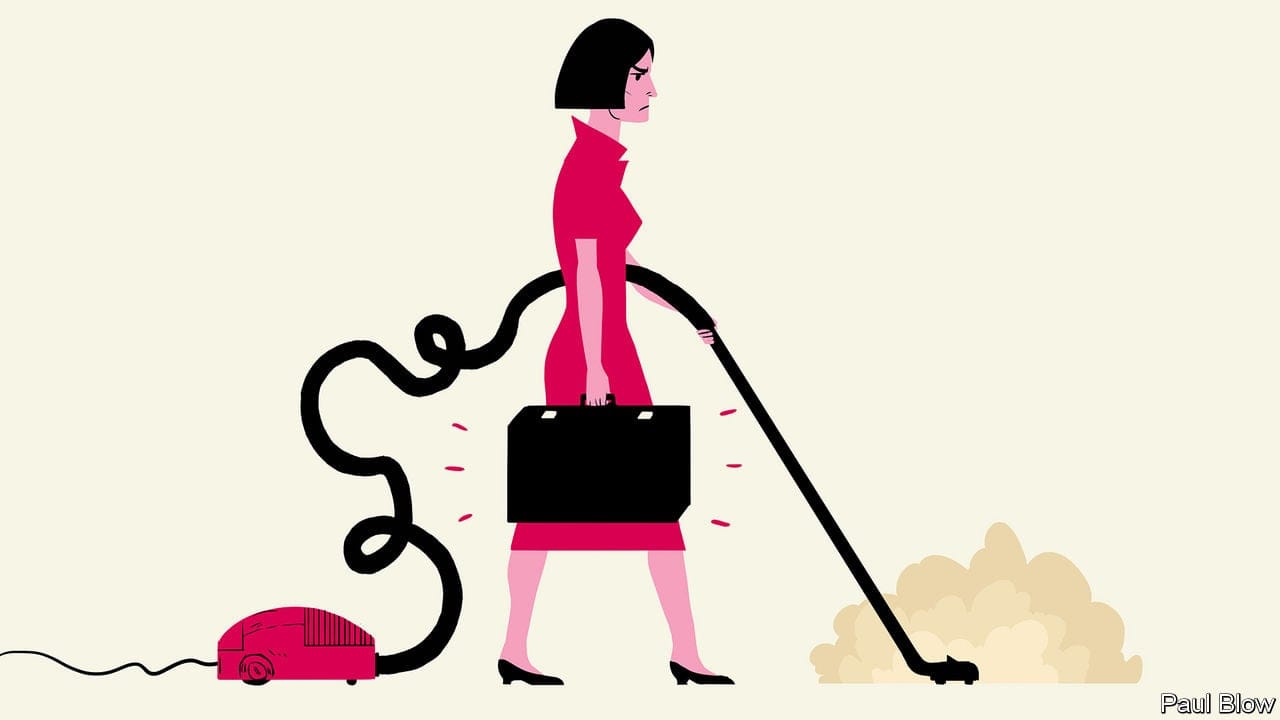
Economic systems and policies often disproportionately affect women due to structural inequalities and gender biases. Women frequently face wage gaps, limited access to high-paying jobs, and unpaid labor responsibilities. Traditional economic policies may overlook these disparities, further entrenchRead more
Economic systems and policies often disproportionately affect women due to structural inequalities and gender biases. Women frequently face wage gaps, limited access to high-paying jobs, and unpaid labor responsibilities. Traditional economic policies may overlook these disparities, further entrenching gender inequality. For instance, women are underrepresented in leadership positions and overrepresented in low-wage sectors, exacerbating economic disparities.
Reforms to promote economic gender equality include implementing equal pay legislation to address wage gaps and enhancing access to affordable childcare, allowing women to participate fully in the workforce. Policies encouraging parental leave for both parents can distribute caregiving responsibilities more evenly. Additionally, promoting women’s entrepreneurship through targeted funding and support can help break economic barriers.
Creating inclusive workplaces through diversity and anti-discrimination policies can foster a more equitable environment. Investing in education and training programs specifically for women can also empower them to access higher-paying jobs and leadership roles. By addressing these systemic issues, economic reforms can create a more balanced and fair economic landscape, ensuring that women have equal opportunities to thrive and contribute to economic growth.
See less