


Effectively addressing and mitigating gender disparities in the workplace requires a multifaceted approach: *Pay Gap Mitigation* 1. Conduct regular pay audits to identify disparities. 2. Implement transparent compensation policies. 3. Establish fair performance metrics. 4. Provide equal pay for equaRead more
Effectively addressing and mitigating gender disparities in the workplace requires a multifaceted approach:
*Pay Gap Mitigation*
1. Conduct regular pay audits to identify disparities.
2. Implement transparent compensation policies.
3. Establish fair performance metrics.
4. Provide equal pay for equal work.
5. Consider salary range transparency.
*Career Advancement Opportunities*
1. Mentorship programs for women.
2. Leadership development training.
3. Networking opportunities.
4. Flexible work arrangements.
5. Set diversity and inclusion goals.
*Inclusive Workplace Culture*
1. Anti-bias training for employees.
2. Foster open communication.
3. Address harassment and microaggressions.
4. Celebrate diversity and inclusion.
5. Employee resource groups.
*Recruitment and Hiring*
1. Blind hiring practices.
2. Diverse interview panels.
3. Inclusive job descriptions.
4. Targeted recruitment efforts.
5. Track diversity metrics.
*Policy and Accountability*
1. Establish diversity and inclusion policies.
2. Set measurable goals and benchmarks.
3. Regularly review and update policies.
4. Hold leaders accountable.
5. Monitor progress and address gaps.
*Best Practices*
1. IBM’s diversity and inclusion initiatives.
2. Microsoft’s inclusive hiring practices.
3. Google’s diversity and inclusion programs.
4. Accenture’s gender equality initiatives.
5. UN Women’s Empowerment Principles.
*Key Performance Indicators (KPIs)*
1. Pay gap ratio.
2. Women in leadership positions.
3. Diversity and inclusion survey results.
4. Promotion rates.
5. Retention rates.
*Resources*
1. World Economic Forum’s Global Gender Gap Report.
2. McKinsey’s Women in the Workplace report.
3. Catalyst’s research on women in business.
By implementing these strategies, organizations can effectively address gender disparities, foster a more inclusive workplace culture, and promote equal opportunities for women.
See less


International Women's Day - March 8th The international day celebrated on March 8th is called International Women's Day What is International Women's Day? 1. A global day is celebrated every year on March 8th. 2. Honors the achievements of women in social, economic, cultural, and political areas. 3.Read more
International Women’s Day – March 8th
The international day celebrated on March 8th is called International Women’s Day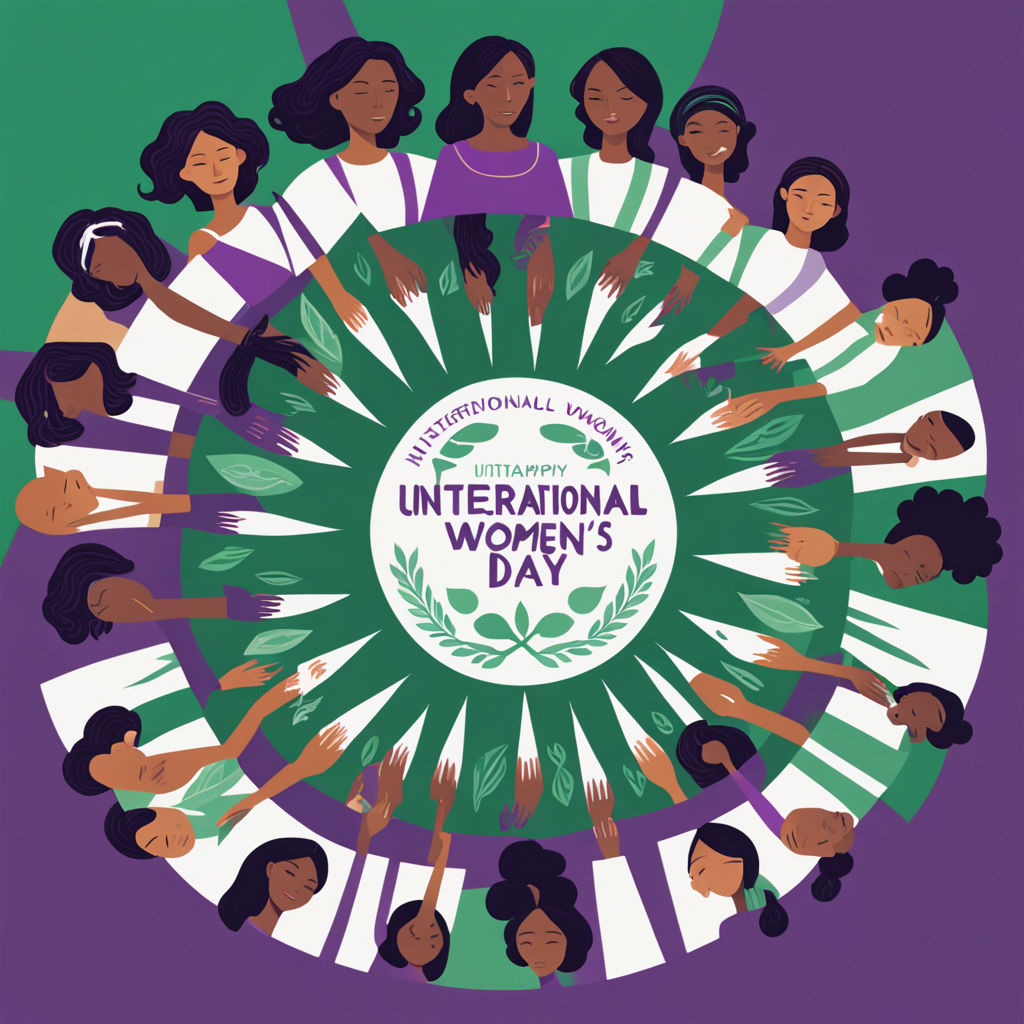
What is International Women’s Day?
1. A global day is celebrated every year on March 8th.
2. Honors the achievements of women in social, economic, cultural, and political areas.
3. Advocates for women’s rights and gender equality.
History of International Women’s Day
1. Started in the early 20th century.
2. First celebrated in 1911 after German activist Clara Zetkin proposed the idea in 1910.
3. Began as part of the labor movement in North America and Europe.
Why is it Important?
1. Recognizes the contributions of women to society.
2. Raises awareness about the struggles women still face.
3. Encourages action to promote gender equality.
How is it Celebrated?
1. Events like marches, conferences, and cultural activities are held worldwide.
2. The United Nations and other organizations participate.
3. Each year has a different theme focused on important issues related to women.
Key Message
See less1. International Women’s Day is a day to celebrate women.
2. It promotes efforts towards achieving a more equal world for everyone.