


‘If you look at me like at a piece of meat, then that’s a problem’ – women in the center of the male gaze. Feminist Poststructuralist Discourse Analysis as a tool of critique- (CITED ARTICLE- Ewa Glapka) The above cited statement from Ewa Glapka's article comments on how the male gaze is invoked witRead more
‘If you look at me like at a piece of meat, then that’s a problem’ – women in the center of the male gaze. Feminist Poststructuralist Discourse Analysis as a tool of critique- (CITED ARTICLE- Ewa Glapka)
The above cited statement from Ewa Glapka’s article comments on how the male gaze is invoked with reference to the patriarchal surveillance of women’s bodies. But what do we mean by the male gaze, to simplify the concept?
The term “male gaze” originates from 1960s, a migration from academia to art, media and revolution. In simplest terms, it refers to the amplification of events and day-to-day scenarios into objects of convenience and value to the patriarchal standard. It is mostly used to convey the sexualization of women in all advances of life, from the ideal woman to their biological role.
Looking from the lens of a varying beauty standard, the patriarchy (even when our modern communities claim to have evolved from such sexism) continues to hold women accountable for objects beyond their control. Today the beauty standard is so rigid that men themselves are stricken by their female counterparts’ judgement. From this takes birth a concept of ‘pretty privilege’, i.e more conventionally attractive individuals (especially women) are given better remarks, preferred opposite to unconventionally less-attractive people not just as partners, but in career roles and friendships.
Thus, leads to the hatred among women, the race to be better in looks. Women are led to believe from a young age that their physical appearance will help them and gun to lead in that aspect. It rides with jealousy and mistrust in female relationships, destructing the crux that feminism was built upon.
This male gaze is also formed from the ‘natural’ gender roles founded by patriarchy. The age-old story that a house is to be driven by a man, it is he ‘who wears the pants’ in the relationship, and the woman is second to him, only to answer and care for his every whim at home. “The male gaze is more relevant, and more dangerous, than ever”, by Kelly Oliver can also be cited on the resurfacing idea of a ‘submissive woman’ in post-lockdown society. Even today, women are asked to stay at home taking care of their children, single mothers laughed upon and career women mocked for straying from the ‘biological way of life’.
In a simple summary, we can conclude that the male gaze and the lens and customs of a patriarchy are detrimental to not only women, but to a man’s perception of his female companions and himself, and as they continue to spread, the rights and choices of the modern woman are always facing scrutiny.
See less


International Women's Day - March 8th The international day celebrated on March 8th is called International Women's Day What is International Women's Day? 1. A global day is celebrated every year on March 8th. 2. Honors the achievements of women in social, economic, cultural, and political areas. 3.Read more
International Women’s Day – March 8th
The international day celebrated on March 8th is called International Women’s Day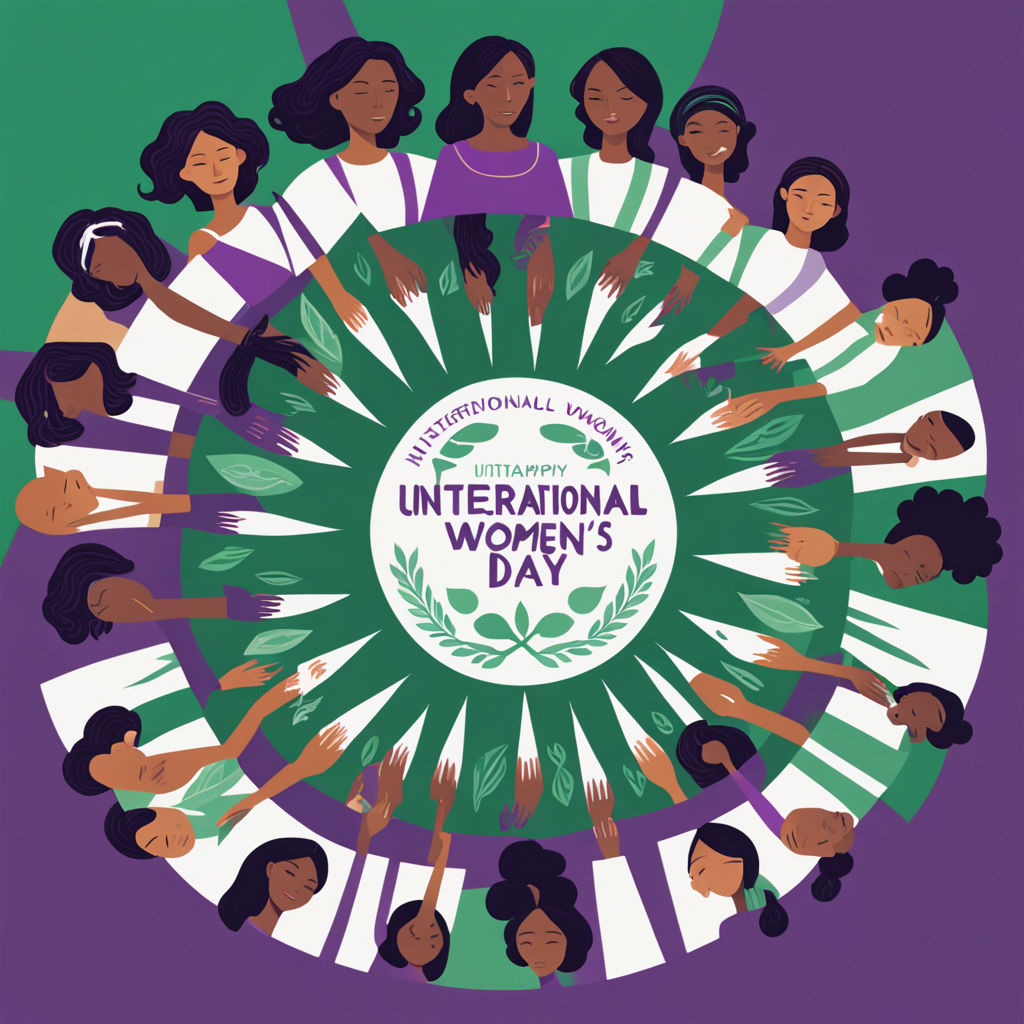
What is International Women’s Day?
1. A global day is celebrated every year on March 8th.
2. Honors the achievements of women in social, economic, cultural, and political areas.
3. Advocates for women’s rights and gender equality.
History of International Women’s Day
1. Started in the early 20th century.
2. First celebrated in 1911 after German activist Clara Zetkin proposed the idea in 1910.
3. Began as part of the labor movement in North America and Europe.
Why is it Important?
1. Recognizes the contributions of women to society.
2. Raises awareness about the struggles women still face.
3. Encourages action to promote gender equality.
How is it Celebrated?
1. Events like marches, conferences, and cultural activities are held worldwide.
2. The United Nations and other organizations participate.
3. Each year has a different theme focused on important issues related to women.
Key Message
See less1. International Women’s Day is a day to celebrate women.
2. It promotes efforts towards achieving a more equal world for everyone.