


Inadequate sanitation has severe economic and social implications, including: Economic Implications: 1. Healthcare costs: Sanitation-related illnesses lead to increased medical expenses and lost productivity. 2. Water treatment: Contaminated water sources require costly treatment. 3. Food security:Read more
Inadequate sanitation has severe economic and social implications, including:
Economic Implications:
1. Healthcare costs: Sanitation-related illnesses lead to increased medical expenses and lost productivity.
2. Water treatment: Contaminated water sources require costly treatment.
3. Food security: Sanitation issues impact agricultural productivity and food safety.
4. Tourism and business: Poor sanitation deters tourists and investors.
5. Environmental degradation: Inadequate sanitation harms ecosystems, leading to costly restoration.
Social Implications:
1. Human dignity: Inadequate sanitation compromises privacy, safety, and dignity.
2. Education: Sanitation-related illnesses lead to absenteeism, affecting learning outcomes.
3. Gender inequality: Women and girls disproportionately bear the burden of inadequate sanitation.
4. Community cohesion: Poor sanitation can lead to social stigma and community tensions.
5. Human rights: Inadequate sanitation violates the human right to health, water, and sanitation.
To address these implications:
1. Invest in sanitation infrastructure and services.
2. Promote hygiene education and behavior change.
3. Implement effective waste management systems.
4. Encourage community-led total sanitation approaches.
5. Strengthen policies and regulations.
6. Increase funding and resource allocation.
7. Foster partnerships and collaborations.
8. Support research and innovation.
Addressing inadequate sanitation requires a comprehensive approach that involves government, civil society, and individuals. By prioritizing sanitation, we can mitigate these economic and social implications, promoting sustainable development, human well-being, and environmental protection
See less


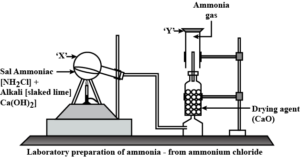
How is Ammonia Prepared in the Laboratory? Ammonia is a gas that can be prepared in the laboratory using simple materials and procedures. One common method involves heating ammonium chloride (NH₄Cl) with calcium hydroxide (Ca(OH)₂). Here's a step-by-step guide: Materials Needed: Ammonium chloride (NRead more
How is Ammonia Prepared in the Laboratory?
Ammonia is a gas that can be prepared in the laboratory using simple materials and procedures. One common method involves heating ammonium chloride (NH₄Cl) with calcium hydroxide (Ca(OH)₂). Here’s a step-by-step guide:
Materials Needed:
Steps to Prepare Ammonia:
Safety Precautions:
- Always conduct this experiment in a well-ventilated area or under a fume hood to avoid inhaling the gas.
- Handle the chemicals with care and use safety goggles and gloves.
See less