

The opening up of the economy and integration with global trends have presented the civil services with a variety of problems that call for comprehensive reforms to ensure effective service delivery. Talk about it. (Answer in 250 words)


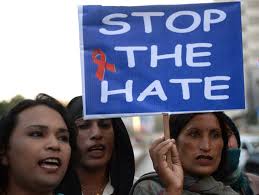
Challenges Faced by Transgender Individuals in India Transgender individuals in India confront formidable challenges, encompassing societal stigma, discrimination, and a lack of legal recognition. Despite legislative strides aimed at safeguarding transgender rights, their effective enforcement remaiRead more
Challenges Faced by Transgender Individuals in India
Transgender individuals in India confront formidable challenges, encompassing societal stigma, discrimination, and a lack of legal recognition. Despite legislative strides aimed at safeguarding transgender rights, their effective enforcement remains pivotal for substantial change and genuine equality.
Key Issues Confronting Transgender Individuals:
1. Societal Stigma: Transgender individuals endure social ostracization and exclusion due to entrenched cultural norms and limited awareness.
2. Discrimination: They face systemic discrimination in crucial areas such as employment, education, healthcare access, and social services, curtailing their opportunities for personal and professional advancement.
3. Lack of Legal Recognition: The absence of legal acknowledgement denies transgender individuals essential rights, including identity documentation, healthcare entitlements, and protection against discrimination.
Significance of Robust Implementation of Legal Frameworks:
1. Rights Protection: Effective implementation of laws guarantees fundamental rights for transgender individuals, ensuring they receive fair treatment and legal protection against prejudice.
2. Cultural Inclusivity: It fosters a culturally inclusive society that celebrates diversity and acknowledges the validity of all gender identities.
3. Empowerment: By enforcing supportive policies, transgender individuals are empowered to live authentically, contributing to a society free from fear and discrimination.
Conclusion:
By challenging societal norms, reinforcing legal protections, and actively implementing supportive policies, India can cultivate an inclusive environment where transgender individuals are esteemed, supported, and empowered to live their lives openly and confidently.
See less


The institution of civil service formed a strong binding force in the post-independent India and has rendered eminent service to the overall socio-economic development of the country. It has been at the forefront of the development process right from the 'commanding heights regime' to the 'liberalizRead more
The institution of civil service formed a strong binding force in the post-independent India and has rendered eminent service to the overall socio-economic development of the country. It has been at the forefront of the development process right from the ‘commanding heights regime’ to the ‘liberalization and deregulation era’. It has not only played a pivotal role in designing policies but also ensured basic service delivery at the cutting edge of government-citizen interface. Challenges due to integration with the global trends and opening up of the economy:
These challenges need to be addressed through proactive policy making and efficient designs, which take into account the role of the Civil Service in the governance of the country and the expectations generated from it. The main components of Civil Service reforms should pertain to the following:
In this regard, a new National Architecture for Civil Services Capacity Building called “Mission Karmayogi” has been launched to create a professional, well-trained and future-looking civil service, that is imbued with a shared understanding of India’s developmental aspirations, national programs and priorities.
See less