

which is the best antenna to track satellites present in LEO? and Why?


Advancements in satellite technology significantly enhance global climate monitoring and disaster response by providing detailed, timely, and accurate data. Here’s how: Enhanced Climate Monitoring: High-Resolution Imaging: Modern satellites offer high-resolution images of the Earth’s surface,Read more
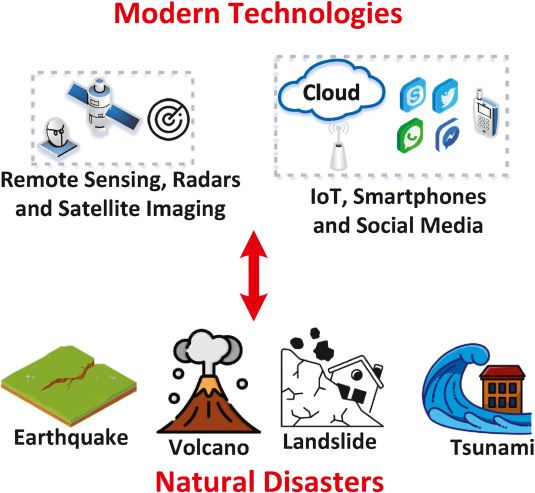 Advancements in satellite technology significantly enhance global climate monitoring and disaster response by providing detailed, timely, and accurate data. Here’s how:
- Enhanced Climate Monitoring:
- High-Resolution Imaging: Modern satellites offer high-resolution images of the Earth’s surface, enabling precise monitoring of environmental changes such as deforestation, urbanization, and ice melt.
- Advanced Sensors: Equipped with advanced sensors, satellites can measure critical climate variables such as sea surface temperatures, atmospheric composition, and greenhouse gas concentrations. This data helps in understanding climate patterns and predicting future changes.
- Long-Term Data Collection: Satellites provide consistent and long-term data, essential for tracking gradual climate changes and assessing the impact of global warming over time.
- Improved Disaster Response:
- Real-Time Data: Satellites offer real-time monitoring of natural disasters like hurricanes, earthquakes, floods, and wildfires. This enables rapid assessment of the situation and immediate response planning.
- Early Warning Systems: Satellite data is crucial for early warning systems that predict disasters such as tsunamis, volcanic eruptions, and severe weather events. Early warnings save lives by allowing for timely evacuations and preparations.
- Damage Assessment: Post-disaster, satellites provide detailed images and data to assess the extent of damage, aiding in efficient resource allocation and recovery efforts.
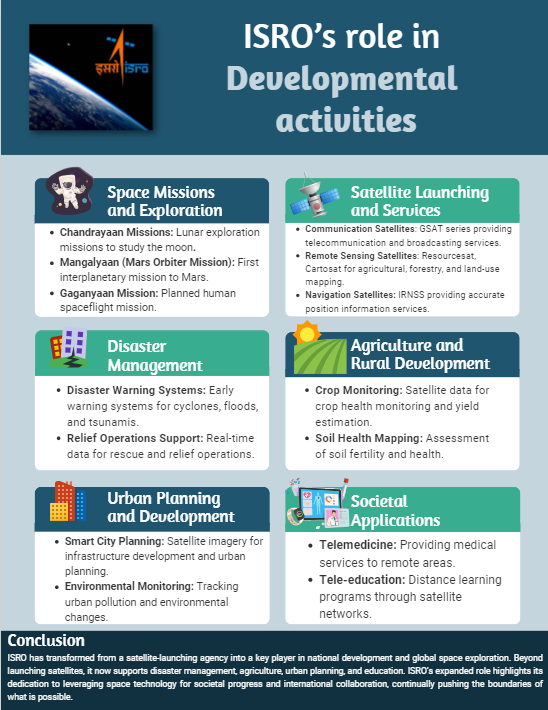
- Communication Networks: Satellites establish communication networks in disaster-stricken areas where terrestrial infrastructure may be damaged, facilitating coordination among response teams and aiding in rescue operations.
Overall, advancements in satellite technology enhance our ability to monitor climate change accurately and respond to natural disasters swiftly, ultimately improving environmental management and saving lives.


A high-gain parabolic dish antenna is the ideal antenna for tracking satellites in Low Earth Orbit (LEO). These antennas are favored because they can concentrate radio waves into a tight beam, offering high gain that improves reception quality and signal intensity. Maintaining robust, steady communiRead more
A high-gain parabolic dish antenna is the ideal antenna for tracking satellites in Low Earth Orbit (LEO). These antennas are favored because they can concentrate radio waves into a tight beam, offering high gain that improves reception quality and signal intensity. Maintaining robust, steady communication lines and tracking quickly moving low-Earth orbit (LEO) satellites depend on this capability.
With the ability to aim with precision, parabolic dish antennas allow for accurate tracking of satellites throughout their orbit. They are appropriate for a number of satellite communication bands, including S, X, and Ku, because of their broad frequency range of operation. This adaptability covers functions like telemetry, tracking, control, and data transmission by enabling both broadcasting and receiving signals.
Moreover, high-gain antennas raise the signal-to-noise ratio (SNR), which is necessary for trustworthy and crisp data from low-orbiting (LEO) satellites. Satellite tracking facilities require their robustness and dependability to provide ongoing operation and durability, even in adverse weather circumstances.
Parabolic dish antennas are the greatest option for tracking low-or low-orbit (LEO) satellites due to their superior performance in gain, directional accuracy, and frequency diversity, while other antennas such as helical or Yagi-Uda arrays can also be employed.
See less