


Plasmolysis is a phenomenon observed in plant cells when they lose water and the cell membrane pulls away from the cell wall. This process typically occurs in a hypertonic solution, where the concentration of solutes outside the cell is higher than inside. As a result, water exits the cell by osmosiRead more
Plasmolysis is a phenomenon observed in plant cells when they lose water and the cell membrane pulls away from the cell wall. This process typically occurs in a hypertonic solution, where the concentration of solutes outside the cell is higher than inside. As a result, water exits the cell by osmosis, causing the cell’s central vacuole to shrink and the cytoplasm and cell membrane to contract.
Key points about plasmolysis:
- Hypertonic Environment: Plasmolysis happens when a plant cell is placed in a solution with a higher solute concentration than the cell’s interior, leading to water loss from the cell.
- Cell Wall and Membrane: The cell wall remains intact during plasmolysis, but the cell membrane detaches from it as the cell contents shrink.
- Reversibility: Plasmolysis is often reversible if the cell is placed back into an isotonic or hypotonic solution, where the water can re-enter the cell and restore normal turgor pressure.
- Importance in Plant Physiology: Plasmolysis can affect a plant’s ability to maintain turgor pressure, which is crucial for structural support and overall cell function.
In summary, plasmolysis is an important process in understanding how plant cells respond to osmotic stress and helps illustrate the effects of different solute concentrations on cell integrity.
See less![[Deleted User]](https://mainsanswerwriting.com/wp-content/plugins/WPQA/images/default-image.png "[Deleted User]")


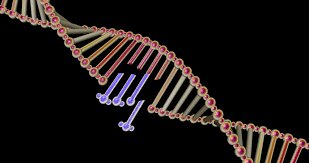


AI and ML are modifying the biotech sector, especially the drug development sector. These processes inspect big data sets quickly and accurately, thus identifying patterns and potential drug candidates more rapidly than conventional techniques. Here is a brief summary: 1. Forecasting Models: ArtificRead more
AI and ML are modifying the biotech sector, especially the drug development sector. These processes inspect big data sets quickly and accurately, thus identifying patterns and potential drug candidates more rapidly than conventional techniques. Here is a brief summary:
1. Forecasting Models: Artificial intelligence algorithms anticipate the interactions between various compounds and biological targets, aiding in the early identification of potential drug candidates during the research phase.
2. Analyzing Data: Machine learning analyses large volumes of biological and chemical data, revealing connections and information that human researchers may overlook.
3. AI conducts virtual screening of chemical libraries, decreasing the time and expenses needed for experimental testing of each compound.
4. Drug Repurposing: Through the analysis of current medications and their impacts on different illnesses, artificial intelligence can discover fresh therapeutic applications, hastening the drug development process.
5. Tailored Treatment: Artificial intelligence-based treatment is designed to suit individual patients through the analysis of genetic, environmental and lifestyle information thereby making it more effective and reducing the risk of side effects.
In conclusion, by generally enhancing the efficacy and accuracy of drug discovery, AI and ML also shorten the period taken before new medicines are introduced into the market at lower costs and higher efficiency.
See less