

Answer the question in maximum 15 to 20 words. This question carries 03 marks.[MPPSC 2022] Explain fermentation.


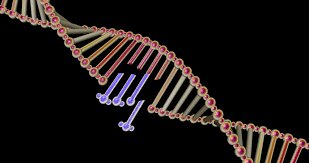
Moral Issues Associated with Genetic Modifications Genetic modifications raise significant moral issues that require careful consideration: Human Dignity and Identity: Altering Human Nature: Modifying human genes can fundamentally change what it means to be human, raising concerns about maintainingRead more
Moral Issues Associated with Genetic Modifications
Genetic modifications raise significant moral issues that require careful consideration:
- Human Dignity and Identity:
- Altering Human Nature: Modifying human genes can fundamentally change what it means to be human, raising concerns about maintaining human dignity and identity.
- Playing God: This touches on philosophical and religious beliefs about the sanctity of human life and the natural order.
- Equity and Access:
- Socioeconomic Disparities: Access to genetic technologies may be limited to the wealthy, increasing social inequalities.
- Global Inequities: Developing countries might lack access to these advanced technologies.
- Consent and Autonomy:
- Informed Consent: Obtaining true informed consent for genetic modifications, especially in unborn children, is complex.
- Future Generations: Genetic changes affect future generations, raising questions about their rights.
- Safety and Unintended Consequences:
- Long-term Effects: The long-term impact of genetic modifications is unknown, with potential risks to individuals and the environment.
- Irreversibility: Many genetic changes are permanent and cannot be undone.
- Enhancement vs. Therapy:
- Therapeutic vs. Enhancing Modifications: Using genetic modifications for enhancements (e.g., intelligence) raises fairness concerns compared to therapeutic uses (e.g., curing diseases).
- Biodiversity and Natural Evolution:
- Impact on Biodiversity: Genetic modifications in plants and animals can reduce biodiversity and affect ecosystems.
- Animal Welfare: Altering animal genomes raises ethical questions about their treatment.
Addressing these issues requires a balanced approach involving ethicists, scientists, policymakers, and the public to ensure ethical considerations in genetic technology development.
See less



A Process of chemical change in food or drink because of the action of yeast or bacteria , which may cause it to produce bubbles or heat, or run sugars in it into alcohol .
A Process of chemical change in food or drink because of the action of yeast or bacteria , which may cause it to produce bubbles or heat, or run sugars in it into alcohol .
See less