

Roadmap for Answer Writing Introduction Contextual Background: Introduce the historical role of India as a leader of oppressed and marginalized nations, particularly during the Cold War. Thesis Statement: State that India’s evolving foreign policy and new role in the global order have diminished ...


The Russia-Ukraine conflict has significant implications for India’s foreign policy, particularly given its traditional stance of maintaining a balanced relationship with both Russia and the West. Here’s an analysis of how this conflict affects India’s foreign policy, the challenges it faces, and thRead more
The Russia-Ukraine conflict has significant implications for India’s foreign policy, particularly given its traditional stance of maintaining a balanced relationship with both Russia and the West. Here’s an analysis of how this conflict affects India’s foreign policy, the challenges it faces, and the potential impact on its regional and global interests:
Implications for India’s Foreign Policy
1. Balancing Relations:
a. Historical Ties with Russia:
Strategic Partnership: India has long maintained a strong strategic partnership with Russia, characterized by defense cooperation, trade relations, and diplomatic support. The conflict puts India in a position where it must navigate its continued reliance on Russia for defense and strategic interests while responding to international pressures.
Defense Supplies: Russia remains a major supplier of defense equipment to India, and maintaining this relationship is crucial for India’s defense capabilities.
b. Relations with the West:
Growing Ties with the US and Europe: In recent years, India has strengthened its relations with Western countries, focusing on economic, technological, and strategic cooperation. India must balance its engagement with Western nations, who have been critical of Russia’s actions in Ukraine.
Strategic Partnerships: The conflict challenges India’s ability to maintain strategic partnerships with Western countries, as they impose sanctions on Russia and criticize its actions.
Challenges India Faces
1. Diplomatic Balancing Act:
a. International Pressure:
Western Sanctions: India faces pressure from Western countries to align with their stance against Russia. Navigating this pressure while maintaining its strategic ties with Russia requires a careful diplomatic approach.
Neutral Stance: India’s emphasis on a neutral stance and calling for dialogue and resolution reflects its desire to avoid taking sides, but this approach can lead to criticism from both Western and Russian camps.
b. Geopolitical Dynamics:
Regional Implications: The conflict affects regional security dynamics, including relations with neighboring countries and strategic alignments in Asia. India must manage its regional interests while balancing its foreign policy priorities.
Global Alliances: The conflict impacts global alliances and India’s position within international forums, including the UN and BRICS. Maintaining a balanced approach requires navigating complex geopolitical shifts.
2. Economic and Strategic Interests:
a. Energy and Trade:
Energy Supplies: India’s reliance on energy imports, including from Russia, means it must navigate potential disruptions in energy supplies and price fluctuations caused by the conflict.
Trade Relations: The conflict could impact trade relations with Russia and the West, potentially affecting economic growth and trade diversification strategies.
b. Defense and Security:
Defense Procurement: Continued defense procurement from Russia amid Western sanctions poses challenges for India, especially if there are disruptions in supply chains or increased costs.
Security Cooperation: Balancing defense cooperation with Russia while engaging with Western partners on security issues requires careful coordination.
Potential Impact on Regional and Global Interests
1. Regional Stability:
a. South Asian Security:
Regional Rivalries: The conflict may influence South Asian security dynamics, including India’s relations with China and Pakistan. India must address any potential shifts in regional security alignments and balance its strategic priorities.
Strategic Partnerships: India’s role in regional security frameworks, such as the Quad and the Indian Ocean Rim Association (IORA), may be impacted by the evolving geopolitical situation.
b. Central Asia:
Strategic Interests: India’s strategic interests in Central Asia, including energy and trade routes, could be affected by the conflict and Russia’s actions in the region.
2. Global Standing:
a. International Reputation:
Neutral Positioning: India’s neutral stance allows it to position itself as a proponent of dialogue and diplomacy. However, it must carefully manage its international reputation to avoid being perceived as indecisive or passive.
Leadership Role: India’s ability to play a leadership role in global forums and contribute to conflict resolution may be influenced by its diplomatic approach to the Russia-Ukraine conflict.
b. Multilateral Engagement:
UN and Global Forums: India’s stance on the conflict affects its engagement in multilateral organizations, including the United Nations. Balancing its position on the conflict while pursuing global leadership roles requires strategic diplomacy.
Strategic Alliances: India’s relationships with global powers and regional actors may be reshaped by the conflict, impacting its strategic alliances and partnerships.
Conclusion
The Russia-Ukraine conflict presents significant challenges for India’s foreign policy, particularly in maintaining a balanced relationship with both Russia and the West. India’s approach must navigate diplomatic pressures, economic impacts, and regional security dynamics while balancing its historical ties with Russia and growing engagements with Western countries. The conflict’s implications extend to India’s regional and global interests, requiring careful management of its strategic priorities and international relationships.
![[Deleted User]](https://mainsanswerwriting.com/wp-content/plugins/WPQA/images/default-image.png "[Deleted User]")


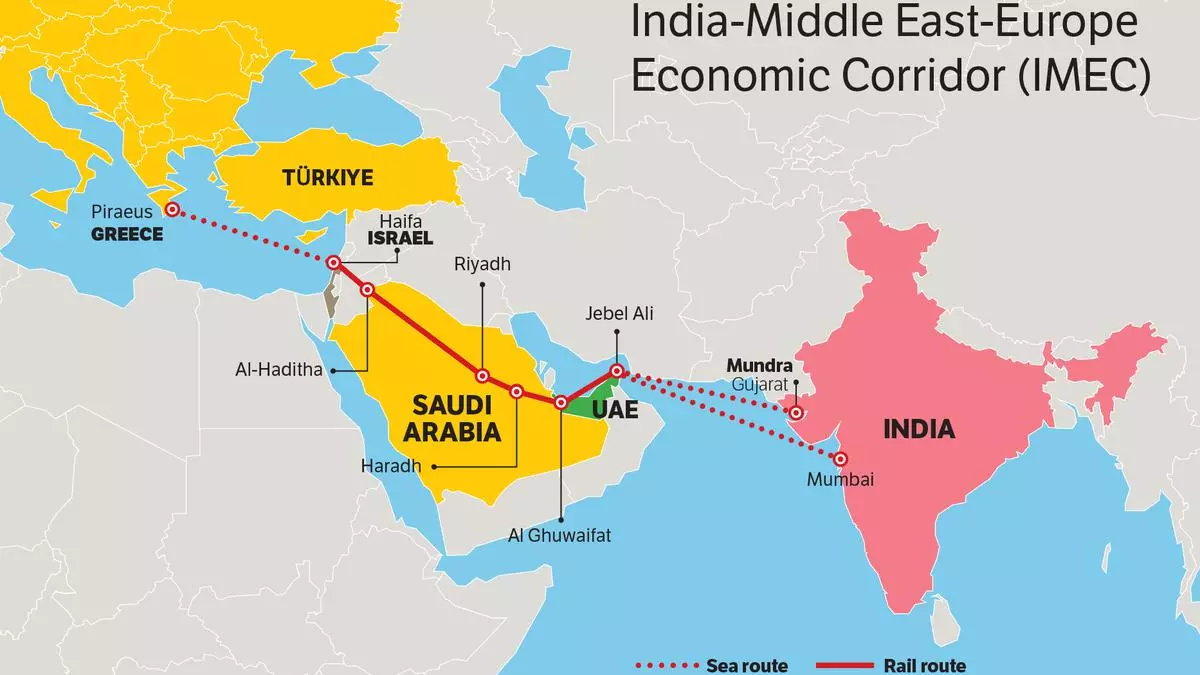 India’s relationship with Europe has become a key component of its international strategy. As India seeks closer ties with European countries, it faces the challenge of dealing with the continent’s diverse and sometimes contradictory landscape. This engagement is not solely about economic gains or political alliances; it involves understanding and addressing the unique complexities that define Europe. Let’s delve into the different aspects of this relationship in a more detailed and straightforward manner.


Model Answer Introduction India’s foreign policy has evolved significantly, moving away from its historical image as a champion for oppressed and marginalized nations. This shift reflects a new role in the emerging global order, where national interests now take precedence over collective interestsRead more
Model Answer
Introduction
India’s foreign policy has evolved significantly, moving away from its historical image as a champion for oppressed and marginalized nations. This shift reflects a new role in the emerging global order, where national interests now take precedence over collective interests of developing countries.
Body
1. Historical Leadership and Idealism
India’s leadership credentials were robust during the Cold War, characterized by its advocacy for smaller economies and vulnerable nations. For instance:
2. Shift in Foreign Policy Perspective
In recent years, India has prioritized economic development and national interests:
3. Regional Dynamics and Global Strategy
India’s approach to regional forums and its strategic foreign policy have also evolved:
4. Criticism and Allegations
India faces scrutiny for its changing role:
Conclusion
India’s transition from a leader of the oppressed to a major global player marks a significant transformation in its foreign policy. This shift towards Realpolitik indicates its growing ambitions and the importance of contributing to a rules-based international order, shaping the future of global relations.
See less