

Cybersecurity is essential for any country’s integrity, as its backbone connects with various aspects of daily life and national well-being. Nowadays we see the many threats against any country is common among the population, sometimes they can hack the personal ...


Countries can effectively address the growing threat of cyber warfare and ensure the security of their digital infrastructure by implementing a multi-faceted approach: 1. National Cybersecurity Strategies: Develop comprehensive national cybersecurity strategies that outline policies, objectivRead more
Countries can effectively address the growing threat of cyber warfare and ensure the security of their digital infrastructure by implementing a multi-faceted approach:
1. National Cybersecurity Strategies:
Develop comprehensive national cybersecurity strategies that outline policies, objectives, and measures to protect critical infrastructure. This should include regular updates to adapt to evolving threats.
2. Cyber Defense and Response Teams:
Establish and maintain specialized cyber defense units and Computer Emergency Response Teams (CERTs) to monitor, detect, and respond to cyber threats in real-time.
3. Public-Private Partnerships:
Foster collaboration between government agencies, private sector companies, and academic institutions to share threat intelligence, best practices, and resources. This enhances the overall cybersecurity posture.
4. International Cooperation:
Engage in international cooperation and information-sharing agreements with other nations and global organizations. Cyber threats are often cross-border, and coordinated efforts are crucial for effective defense.
5. Education and Awareness:
Promote cybersecurity education and awareness programs to train a skilled workforce and educate citizens about safe online practices. This reduces the risk of human error, which is often a significant factor in cyber incidents.
6. Legislation and Regulation:
Implement robust cybersecurity laws and regulations that mandate security standards, data protection, and incident reporting. Enforce these regulations to ensure compliance across all sectors.
7. Investment in Research and Development:
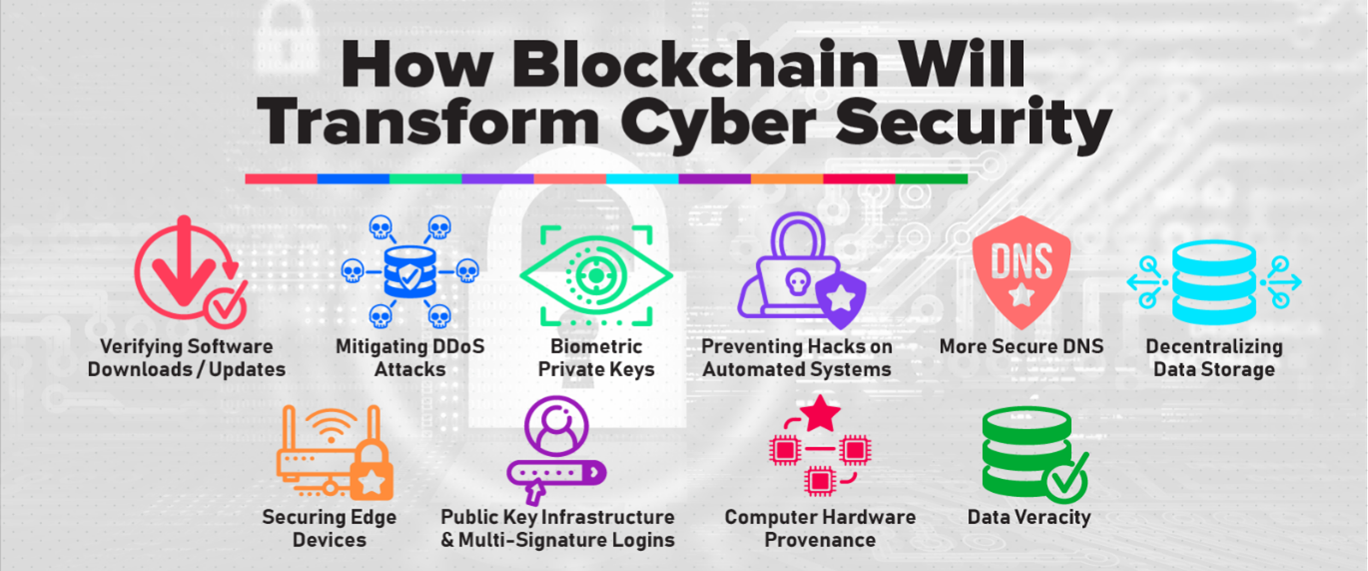
Invest in research and development of advanced cybersecurity technologies, including artificial intelligence, machine learning, and blockchain, to stay ahead of emerging threats.
8. Incident Response Planning:
Develop and regularly update incident response plans that outline the procedures to follow in the event of a cyber attack. Conduct regular drills and simulations to ensure preparedness.
9. Cyber Hygiene Practices:
Encourage and enforce basic cyber hygiene practices such as regular software updates, strong password policies, multi-factor authentication, and network segmentation.
10. Threat Intelligence Sharing:
Create platforms and mechanisms for sharing threat intelligence within and between sectors. This allows for timely identification and mitigation of threats.
11. Resilience Building:
Focus on building resilient infrastructure that can withstand and quickly recover from cyber attacks. This includes redundant systems, backup protocols, and disaster recovery plans.
By implementing these measures, countries can create a robust cybersecurity framework that protects their digital infrastructure and mitigates the risks associated with cyber warfare in an interconnected world.
See less




Cybersecurity is crucial for a country's integrity because it protects the nation’s digital infrastructure, economic stability, and national security. In the modern digital era, countries are increasingly dependent on information and communication technologies (ICT), making them vulnerable to cyberRead more
Cybersecurity is crucial for a country’s integrity because it protects the nation’s digital infrastructure, economic stability, and national security. In the modern digital era, countries are increasingly dependent on information and communication technologies (ICT), making them vulnerable to cyber threats. These threats can range from hacking and data breaches to sophisticated cyberattacks that can cripple critical infrastructure. Here’s why cybersecurity is vital for maintaining a country’s integrity:
1. Protection of Critical Infrastructure:
Critical infrastructure includes sectors like energy, transportation, healthcare, and finance, which are essential for the functioning of a country. Cyberattacks on these sectors can have catastrophic consequences, disrupting services and causing widespread chaos. For instance, a cyberattack on the power grid can lead to blackouts, affecting millions of people and critical services like hospitals. Protecting these infrastructures from cyber threats ensures the safety and well-being of citizens.
2. Economic Stability:
Cybersecurity plays a significant role in maintaining economic stability. The digital economy relies heavily on secure transactions and the protection of intellectual property. Cyberattacks can lead to financial losses, undermine consumer trust, and disrupt business operations. For example, a major data breach in a financial institution can result in the loss of sensitive customer information, leading to financial fraud and erosion of trust in the banking system. By ensuring robust cybersecurity measures, countries can protect businesses from cyber threats and foster a secure economic environment.
3. National Security:
Cybersecurity is integral to national security. State-sponsored cyberattacks can target government networks, military systems, and intelligence agencies, compromising sensitive information and national defense capabilities. Cyber espionage and attacks on defense infrastructure can weaken a country’s military readiness and strategic advantage. By investing in cybersecurity, countries can safeguard their national security interests and protect themselves from potential adversaries.
4. Protection of Personal Data:
With the increasing digitization of personal information, protecting citizens’ data is essential for maintaining trust in government and public institutions. Cyberattacks that result in data breaches can lead to identity theft, financial fraud, and invasion of privacy. Effective cybersecurity measures ensure that personal data is protected, maintaining public confidence in digital services and e-government initiatives.
5. Prevention of Cybercrime:
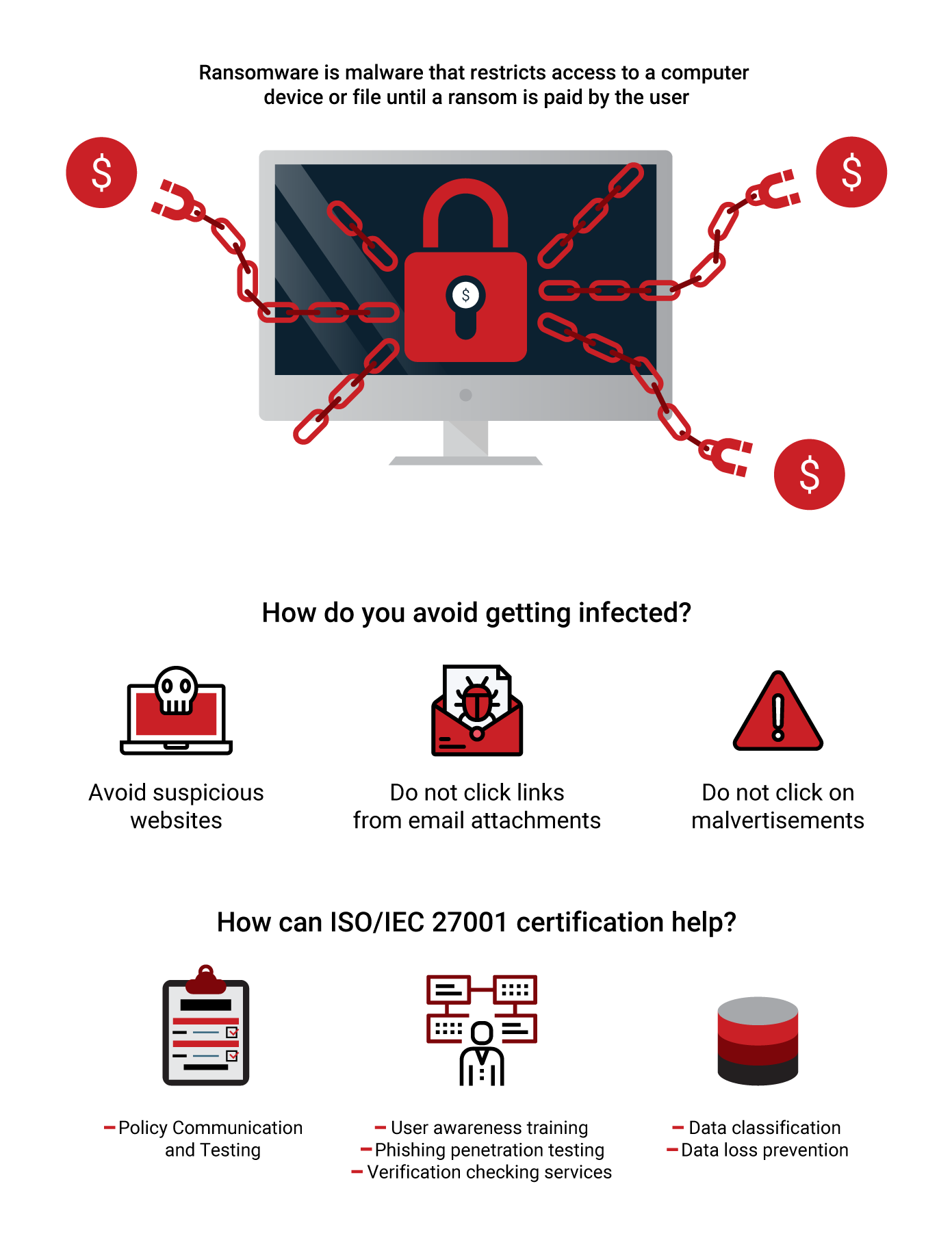
Cybercrime, including phishing, ransomware, and online fraud, poses a significant threat to individuals and businesses. Cybersecurity helps in detecting, preventing, and responding to cybercrime, protecting citizens and organizations from financial and reputational damage. By strengthening cybersecurity, countries can combat cybercrime more effectively and uphold the rule of law in the digital realm.
6. International Relations and Trust:
Cybersecurity is vital for maintaining trust and cooperation in international relations. Countries are increasingly working together to address global cyber threats, and a robust cybersecurity framework helps build confidence among nations. Ensuring cybersecurity fosters trust in international partnerships, trade agreements, and diplomatic relations, contributing to global stability and peace.
7. Innovation and Technological Advancement:
A secure digital environment promotes innovation and technological advancement. Companies and researchers are more likely to invest in developing new technologies if they are confident that their intellectual property is protected. Cybersecurity encourages a culture of innovation by safeguarding the fruits of research and development from cyber threats
See less