


Social media significantly shapes political views and influences voting behaviour in several ways: Information Dissemination: Technology enables the quick propagation of political opinions and news, offering everyone access to an extensive variety of opinions. Echo Chambers: When algorithms displayRead more
Social media significantly shapes political views and influences voting behaviour in several ways:
Information Dissemination: Technology enables the quick propagation of political opinions and news, offering everyone access to an extensive variety of opinions.
Echo Chambers: When algorithms display material to consumers based on their past interactions, they produce echo chambers that deepen division by reiterating preexisting ideas.
Engagement and Mobilisation: Social media makes it possible for voters and politicians to communicate directly, in addition to aiding in the planning of demonstrations and grassroots campaigns.
Influence of Leaders: Through their backing and political comments, celebrities, peers, and influencers—can affect public opinion and voting patterns.
Misinformation: Regardless of attempts to establish fact-checking procedures, the quick dissemination of misleading information has the power to influence opinions and choices.
Microtargeting: Focussing specific age groups with customised messaging and advertisements to appeal to their particular interests and concerns is a tactic used by political campaigns.
Voter Engagement: Social media initiatives to encourage voting as well as spread information about voter registration and election dates boost political involvement and turnout.
In general, social media circulates propaganda, microtargeting, opinion leaders, voter engagement, echo chambers, and information distribution to affect political opinions and voting behaviour.
See less


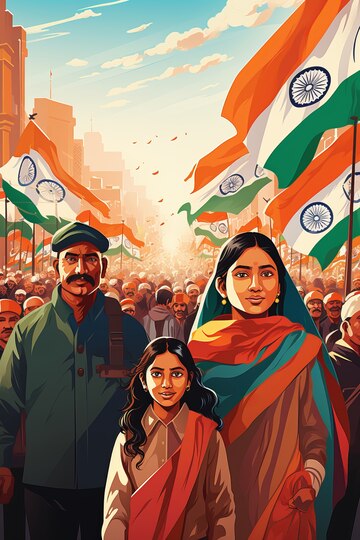


India is tha vast democratic country direction and control of election process vested in election commission of India which is the independent constitutional body. Election for centre and state is a long term policy making process. Let's understand the small difference for conducting the simultaneouRead more
- India is tha vast democratic country direction and control of election process vested in election commission of India which is the independent constitutional body.
- Election for centre and state is a long term policy making process.
- Let’s understand the small difference for conducting the simultaneous election and frequent election
- Frequent election may take more time, attention, energy and resources for conducting regulating the election throughout the various states and local areas .there is no year without conducting some election.
- Whereas simultaneous elections may reduce such time , energy and resources as a result political party can engage such time and attention towards policy making, implementations , growth and good governance of democracy.
- Conducting Simultaneous elections also some challenges like power of centre over state .
- More officers,EVM machine trained and skilled officer at one time.etc.
See less