

As everyone know that AI is rising significatly and its use in technology for advancement in our life. but has anyone thought about agriculture. it is the most important topic of human life. there are cities where there is shortage ...


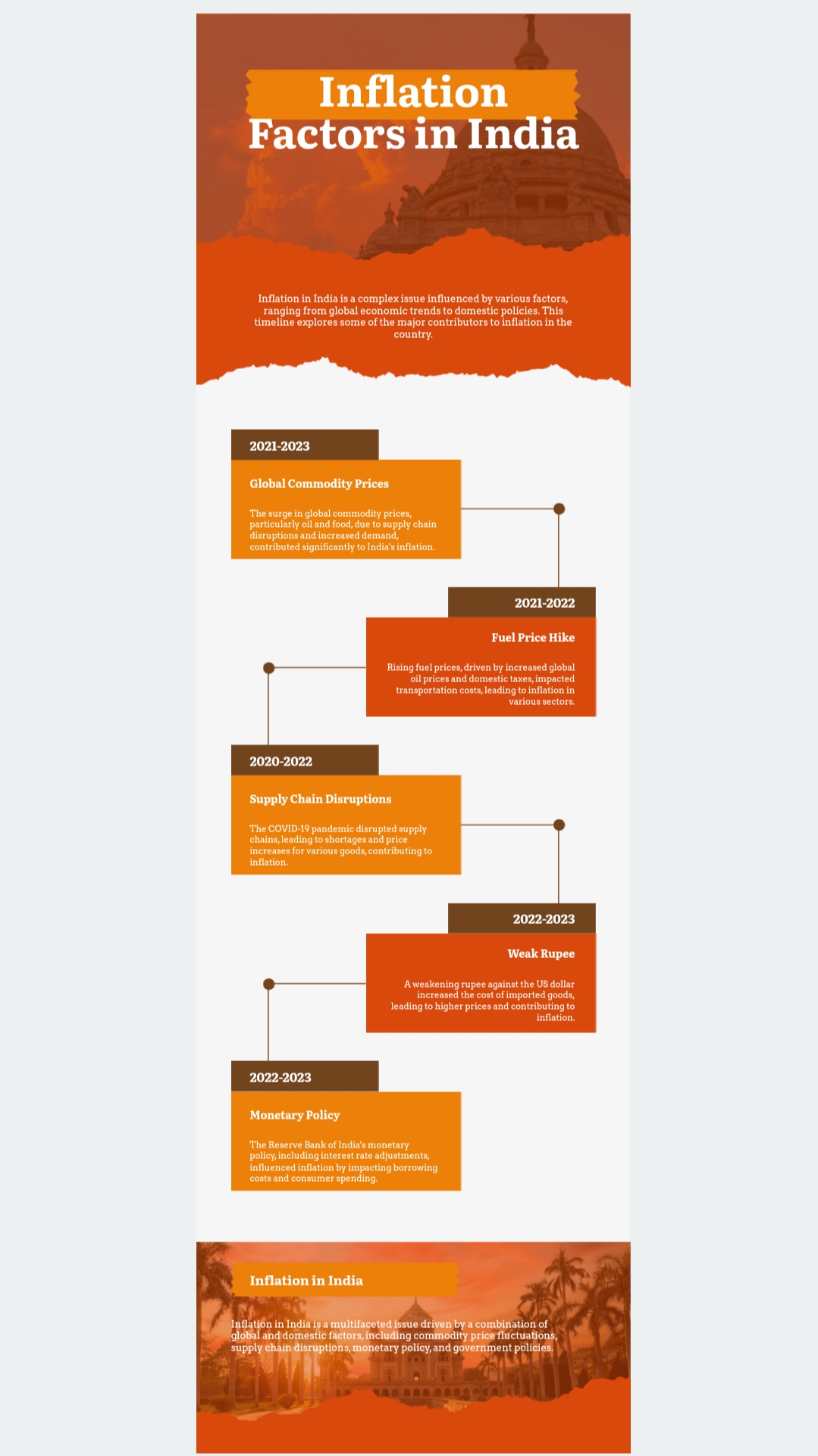
Yes, rising inflation is a concern for developed nations like the US. Here’s how it impacts them: 1. Reduced Purchasing Power: - Inflation erodes money’s value, meaning consumers can buy less with the same amount of money. 2. Higher Cost of Living: - Prices for goods and services rise, increasing thRead more
Yes, rising inflation is a concern for developed nations like the US. Here’s how it impacts them:
1. Reduced Purchasing Power:
– Inflation erodes money’s value, meaning consumers can buy less with the same amount of money.
2. Higher Cost of Living:
– Prices for goods and services rise, increasing the cost of living and putting financial strain on households.
3. Interest Rate Hikes:
– To control inflation, central banks like the Federal Reserve may raise interest rates, increasing borrowing costs for consumers and businesses.
4. Economic Uncertainty:
– High inflation creates uncertainty, making it harder for businesses to plan for the future, potentially slowing down investment and economic growth.
5. Impact on Savings:
– The real value of savings decreases, affecting retirees and others who rely on fixed incomes.
6. Wage-Price Spiral:
– As the cost of living increases, workers demand higher wages, leading to higher production costs and further price increases, creating a cycle.
7. Budget Deficits:
– Government spending might increase to keep up with rising costs, potentially leading to larger budget deficits.
8. Market Volatility:
– Inflation can cause stock and bond markets to become more volatile, impacting investments and retirement accounts.
9. Social Unrest:
– Prolonged high inflation can lead to social dissatisfaction as people’s standard of living declines, potentially leading to political instability.






AI-driven tools can analyze data from sensors, satellites, and drones to monitor crop health, soil conditions, and weather patterns. This enables farmers to apply the right amount of water, fertilizers, and pesticides, reducing waste and increasing efficiency. AI systems can predict water needs baseRead more
AI-driven tools can analyze data from sensors, satellites, and drones to monitor crop health, soil conditions, and weather patterns. This enables farmers to apply the right amount of water, fertilizers, and pesticides, reducing waste and increasing efficiency.
AI systems can predict water needs based on weather forecasts and soil moisture levels, allowing for more efficient irrigation practices. This is particularly crucial in regions facing water scarcity, ensuring that crops receive adequate hydration without depleting water resources.
AI can identify early signs of diseases and pests in crops through image recognition and predictive analytics. Early detection allows for timely interventions, reducing crop loss and enhancing food security.
AI can assist in managing resources like seeds, fertilizers, and machinery, ensuring that farmers use their inputs effectively and reduce costs. This can make farming more economically viable, especially for smallholder farmers.
See less