

As we can observe in today’s world, agriculture is possible even in desserts. How can we justify this statement?


Mitigating climate change requires a multifaceted approach involving both technological innovations and strategic policies. Key strategies and technologies include: 1. Renewable Energy: Transitioning from fossil fuels to renewable energy sources like solar, wind, and hydroelectric power reduces greeRead more
Mitigating climate change requires a multifaceted approach involving both technological innovations and strategic policies. Key strategies and technologies include:
1. Renewable Energy: Transitioning from fossil fuels to renewable energy sources like solar, wind, and hydroelectric power reduces greenhouse gas emissions. Advances in battery storage enhance the reliability of these sources.
2. Energy Efficiency: Improving energy efficiency in buildings, transportation, and industry reduces overall energy consumption. This includes better insulation, energy-efficient appliances, and electric vehicles.
3. Carbon Capture and Storage (CCS): CCS technologies capture carbon dioxide emissions from industrial sources and store them underground, preventing their release into the atmosphere.
4. Reforestation and Afforestation: Planting trees and restoring forests absorb CO2 from the atmosphere, acting as natural carbon sinks.
5. Sustainable Agriculture: Practices such as no-till farming, crop rotation, and reduced use of chemical fertilizers lower emissions and enhance soil carbon sequestration.
6. Circular Economy: Promoting recycling, reducing waste, and designing products for longer lifespans minimize resource consumption and emissions.
7. Policy Measures: Implementing carbon pricing, subsidies for clean energy, and regulations on emissions are crucial for driving systemic change.
8. Public Awareness and Education: Raising awareness and educating the public about climate change encourages sustainable behaviors and support for climate policies.
Combining these strategies and technologies is essential for effectively addressing the complex challenges of climate change.
See less


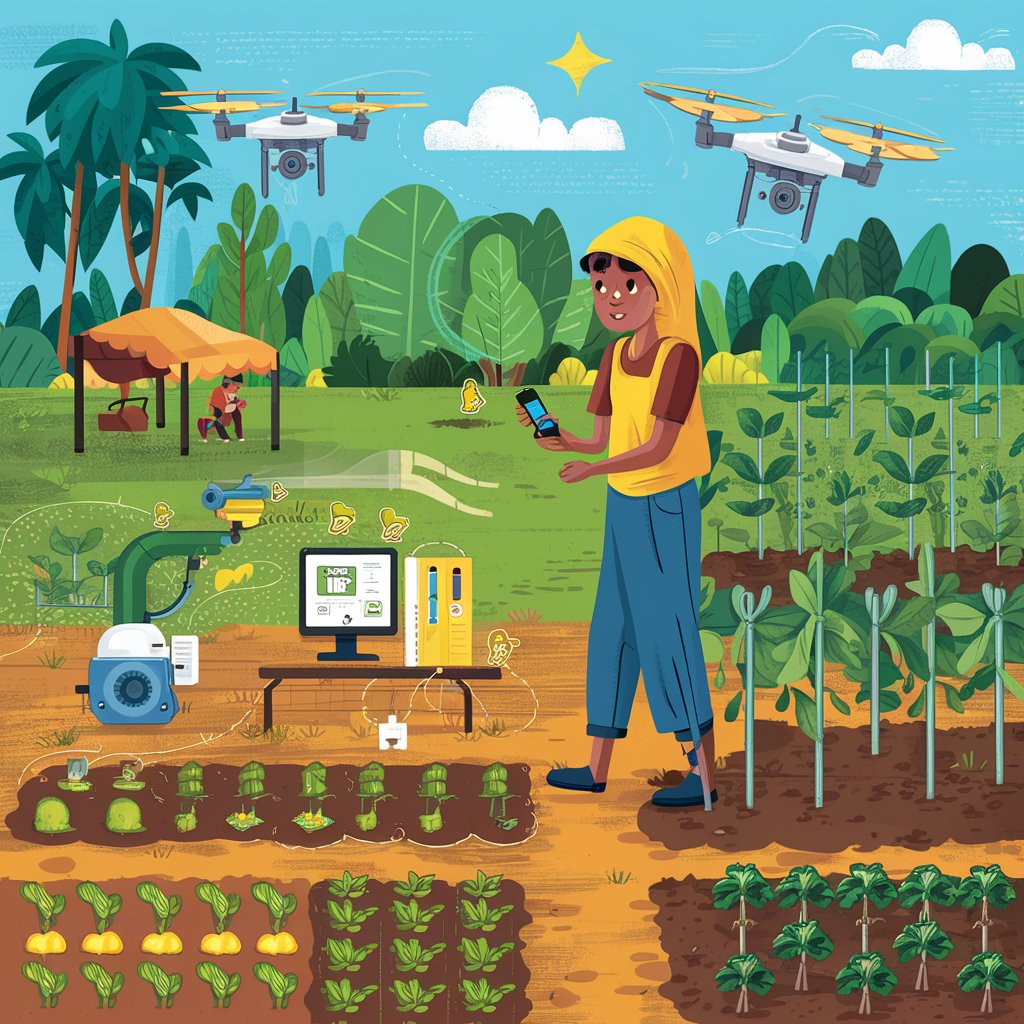


AGRICULTURE IN DESERTS Agriculture in deserts involves overcoming extreme conditions such as high temperature, poor soil quality etc...and utilizing advanced methods and techniques to cultivate crops. Countries like Israel and United Arab Emirates (UAE) are main examRead more
AGRICULTURE IN DESERTS
Agriculture in deserts involves overcoming extreme conditions such as high temperature, poor soil quality etc…and utilizing advanced methods and techniques to cultivate crops. Countries like Israel and United Arab Emirates (UAE) are main examples of successful agriculture projects. The high risk of cultivation is avoided by some methods such as drip irrigation, desalination, hydroponics, aeroponics, drought resistant crops, soil management, water harvesting, agroforestry and vertical farming.
DRIP IRRIGRATION:
By this method, water flows directly into the plant’s root and minimizes the water evaporation.
DROUGHT-RESISTANT CROPS:
Genetically modified crops are more resistant to drought that helps in cultivation with minimal amount of water.
AGROFORESTRY:
It combines the cultivation of crops and the management of trees and shrubs in same land. Soil improvement, water conservation, carbon sequestration are the benefits of agroforestry.
METHODS USED IN DIFFERENT COUNTRIES:
ISRAEL:
Israel is known for its agricultural techniques. Drip irrigation plays vital role in cultivating crops. Infact, this method is invented in Israel. They are using desalination and hydroponics widely.
UAE:
They invested heavily in transforming its arid area into agricultural area. They use vertical farming and hydroponics.
MOROCCO AND SAHEL REGION:
Farmers cultivate olive and argan trees with cereal crops and vegetables. Those long trees provide shade to those crops. Those fruits are providing extra economic benefits in Morocco.
Agroforestry restores degraded lands and improves soil quality and increases crop yields.
Countries like Israel, UAE successfully implemented many methods for enhancing food security and environmental resilience.
See less