
Ethics in Public Administration
Share
Lost your password? Please enter your email address. You will receive a link and will create a new password via email.
Please briefly explain why you feel this question should be reported.
Please briefly explain why you feel this answer should be reported.
Please briefly explain why you feel this user should be reported.
International aid’ is an accepted form of helping ‘resource-challenged’ nations. Comment on ‘ethics in contemporary international aid’. Support your answer with suitable examples. (150 words)[UPSC 2023]
Ethics in Contemporary International Aid Ethical Considerations: International aid, while crucial for supporting resource-challenged nations, often raises ethical concerns about its implementation and impact. Transparency and Accountability are vital to ensure that aid reaches its intended recipientRead more
Ethics in Contemporary International Aid
Ethical Considerations: International aid, while crucial for supporting resource-challenged nations, often raises ethical concerns about its implementation and impact. Transparency and Accountability are vital to ensure that aid reaches its intended recipients without misuse or corruption. For example, in Haiti, post-earthquake aid faced criticism for poor management and lack of coordination, which led to delays and inefficiencies in relief efforts.
Conditionality and Sovereignty: Aid conditions imposed by donor countries or organizations can undermine the sovereignty of recipient nations. The case of Afghanistan highlights this issue, where aid conditions have sometimes been criticized for prioritizing donor interests over local needs and autonomy.
Impact on Local Economies: Ethical aid should avoid disrupting local economies. The case of food aid in Africa, where large-scale imports have occasionally harmed local agriculture by creating dependency and affecting local market prices, underscores the need for more sustainable and locally integrated aid strategies.
In conclusion, ethical international aid must prioritize transparency, respect sovereignty, and ensure sustainable impacts to effectively support resource-challenged nations.
See lessWhat do you understand by ‘moral integrity’ and ‘professional efficiency’ in the context of corporate governance in India? Illustrate with suitable examples. (150 words)[UPSC 2023]
Moral Integrity and Professional Efficiency in Corporate Governance Moral Integrity: Moral integrity refers to adherence to ethical principles and honesty in business practices. In the context of corporate governance, it involves transparency, accountability, and adherence to legal and ethical standRead more
Moral Integrity and Professional Efficiency in Corporate Governance
Moral Integrity: Moral integrity refers to adherence to ethical principles and honesty in business practices. In the context of corporate governance, it involves transparency, accountability, and adherence to legal and ethical standards. For instance, Satyam Computers‘ scandal in 2009 highlighted a severe breach of moral integrity. The company’s leadership manipulated financial statements, leading to a massive corporate fraud. This scandal underscored the need for stringent ethical standards and robust governance mechanisms to prevent such misconduct.
Professional Efficiency: Professional efficiency relates to the effective and competent execution of corporate duties, ensuring that business operations are conducted efficiently, responsibly, and in alignment with organizational goals. A notable example is Infosys, which has been recognized for its effective corporate governance practices and efficient management. Infosys’s strong governance framework includes regular audits, transparent financial disclosures, and adherence to ethical standards, contributing to its reputation and operational success.
Both moral integrity and professional efficiency are crucial for maintaining trust and credibility in the corporate sector, ensuring sustainable and ethical business practices.
See lessDoes individual morality have a bearing effect on the decision of public life? (125 Words) [UPPSC 2021]
Impact of Individual Morality on Public Life Influence on Decision-Making: Individual morality profoundly affects decision-making in public life by shaping ethical standards and policy choices. For instance, recent example: India's Union Minister Nitin Gadkari's decision to prioritize environmentalRead more
Impact of Individual Morality on Public Life
Influence on Decision-Making: Individual morality profoundly affects decision-making in public life by shaping ethical standards and policy choices. For instance, recent example: India’s Union Minister Nitin Gadkari’s decision to prioritize environmental sustainability in infrastructure projects reflects his personal commitment to ethical environmental practices.
Public Trust: Leaders with strong moral values enhance public trust and credibility. Example: Former President APJ Abdul Kalam’s moral integrity and commitment to education and development earned him widespread respect and trust, impacting his effective public service.
Policy Formulation: Personal ethics guide leaders in crafting policies that align with societal values. Example: The introduction of the Swachh Bharat Mission under Prime Minister Narendra Modi underscores a personal and collective commitment to sanitation and hygiene.
Conclusion: Individual morality significantly influences public life by guiding ethical decision-making, fostering public trust, and shaping policies that reflect societal values.
See lessEthical dilemmas faced by public servants in maintaining transparency and accountability
Public servants often encounter complex ethical dilemmas in their efforts to maintain transparency and accountability. Here are some of the major challenges they face: ### 1. **Conflict of Interest** **Dilemma**: Public servants may face situations where their personal interests, or those of their fRead more
Public servants often encounter complex ethical dilemmas in their efforts to maintain transparency and accountability. Here are some of the major challenges they face:
### 1. **Conflict of Interest**
**Dilemma**: Public servants may face situations where their personal interests, or those of their family or friends, conflict with their professional responsibilities. This can lead to decisions that favor personal gain over public interest.
**Example**: A public official may be tempted to award a contract to a company owned by a friend or relative, despite it not being the most qualified or cost-effective option.
### 2. **Whistleblowing vs. Loyalty**
**Dilemma**: When witnessing unethical or illegal activities within their organization, public servants may struggle between their loyalty to colleagues or superiors and their obligation to report wrongdoing.
**Example**: An employee might observe financial mismanagement but hesitate to report it due to fear of retaliation or damaging relationships with colleagues.
### 3. **Balancing Transparency with Privacy**
**Dilemma**: Public servants must navigate the fine line between transparency and the need to protect sensitive information. Revealing too much can undermine public trust, while excessive secrecy can lead to accusations of hiding information.
**Example**: Deciding how much information to release about public spending or investigations while protecting personal privacy and national security.
### 4. **Resource Allocation**
**Dilemma**: The challenge of allocating limited resources fairly while ensuring that the most vulnerable or deserving populations receive adequate support can create ethical conflicts.
**Example**: Deciding how to distribute public funds among various sectors such as healthcare, education, and infrastructure, often involves trade-offs that may disadvantage certain groups.
### 5. **Political Pressure**
**Dilemma**: Public servants might face pressure from political leaders or party affiliations to act in ways that align with political agendas rather than the public good.
**Example**: A public servant may be pressured to make decisions that benefit the ruling party’s agenda, even if these decisions are not in the best interest of the public.
### 6. **Integrity vs. Compromise**
**Dilemma**: Maintaining personal integrity while navigating bureaucratic processes that may require compromises or ethical trade-offs can be challenging.
**Example**: A public servant may be expected to overlook minor violations of regulations or to “bend the rules” to expedite processes, which can conflict with their commitment to uphold the law strictly.
### 7. **Dealing with Corruption**
**Dilemma**: Confronting and combating corruption can be difficult, particularly when it is pervasive within the organization or society, and the public servant faces significant risks or challenges in addressing it.
**Example**: A public servant who discovers a corruption ring within their department may face threats or retaliation if they take action.
### 8. **Public Expectations vs. Practical Constraints**
**Dilemma**: Balancing the expectations of transparency and accountability from the public with practical limitations such as budget constraints, legal restrictions, or bureaucratic hurdles can be challenging.
**Example**: The public might demand detailed reporting on government expenditures, but providing such reports might be hampered by bureaucratic inefficiencies or lack of resources.
### 9. **Ethical Leadership**
**Dilemma**: Public servants often face the challenge of setting an example in ethical leadership, which involves making tough decisions that might not be popular but are necessary for maintaining integrity and trust.
**Example**: Implementing policies that are ethically sound but politically unpopular, such as strict anti-corruption measures, may lead to resistance from colleagues or superiors.
### 10. **Handling Public Criticism**
**Dilemma**: Maintaining transparency and accountability can sometimes lead to public criticism or scrutiny, which can be difficult to manage while staying committed to ethical standards.
**Example**: A public servant who enforces a controversial policy might face backlash from the community but must remain steadfast in their commitment to public welfare.
Addressing these ethical dilemmas requires a strong commitment to integrity, clear ethical guidelines, and supportive mechanisms for reporting and addressing unethical behavior. Public servants must navigate these challenges while striving to uphold the principles of transparency and accountability in their roles.
See lessWhat are the legal rights of a child in cases of custody disputes?
Child custody disputes are governed by various laws and principles that prioritize the welfare and best interests of the child. The primary statutes are the Hindu Minority and Guardianship Act, 1956, the Guardians and Wards Act, 1890, and personal laws relevant to different communities. 1. **Best InRead more
Child custody disputes are governed by various laws and principles that prioritize the welfare and best interests of the child. The primary statutes are the Hindu Minority and Guardianship Act, 1956, the Guardians and Wards Act, 1890, and personal laws relevant to different communities.
1. **Best Interests of the Child**: Indian courts prioritize the child’s welfare above all else. This principle, derived from Article 21 of the Indian Constitution and international conventions, guides custody decisions.
2. **Right to Access and Visitation**: A child has the right to maintain relationships with both parents, barring any specific concerns about safety or well-being. Courts often grant visitation rights to the non-custodial parent to ensure the child maintains a bond with both parents.
3. **Parental Responsibilities**: Custody decisions consider each parent’s ability to provide emotional, physical, and financial support. The court examines the home environment, parenting skills, and the child’s preference if the child is deemed mature enough to express a view.
4. **Legal Guardianship**: Under the Guardians and Wards Act, a court-appointed guardian may be appointed if both parents are unfit to care for the child.
Overall, Indian law aims to protect the child’s rights by ensuring that custody arrangements serve the child’s best interests and provide stability and care.
See lessDo you think the term "secularism" has been used unfairly against Hindus in India?
The use of the term "secularism" in India is a highly debated and sensitive issue, particularly concerning its application to Hinduism and the broader Hindu community. Secularism, as defined in the Indian context, refers to the equal treatment of all religions by the state, which is different from tRead more
The use of the term “secularism” in India is a highly debated and sensitive issue, particularly concerning its application to Hinduism and the broader Hindu community. Secularism, as defined in the Indian context, refers to the equal treatment of all religions by the state, which is different from the Western concept of secularism that often implies a strict separation between religion and state.
Points of Contention:
Perception of Bias:
Some Hindus and political groups argue that the term “secularism” has been used unfairly against Hindus, suggesting that policies and practices labeled as “secular” often target Hindu traditions while being more accommodating of minority religions like Islam and Christianity. For example, the management of Hindu temples by the state, while places of worship of other religions are often exempt from such control, is seen by some as a violation of secular principles.
Political Use of Secularism:
The term has sometimes been politicized, with different political parties using it to gain or consolidate support. Some argue that secularism has been selectively applied, with the ruling party at various times being accused of either pandering to minority communities for votes or promoting a majoritarian agenda under the guise of secularism.
Minority Appeasement:
Critics often cite instances where the government has provided special benefits or protections to religious minorities, interpreting these actions as appeasement at the expense of the Hindu majority. For example, issues like the provision of subsidies for the Hajj pilgrimage for Muslims (which has since been discontinued) and the special personal laws for different religions are often brought up in this context.
Cultural and Religious Identity:
There is also a concern among some Hindus that secularism has been used to dilute or undermine Hindu cultural and religious identity, especially in the public sphere. The promotion of a secular identity is sometimes seen as sidelining Hindu festivals, traditions, and educational content, leading to feelings of marginalization among some in the Hindu community.
Counterpoints:
Protection of Religious Pluralism:
Advocates of secularism in India argue that it is essential for maintaining the country’s religious pluralism and ensuring that all communities, including Hindus, can coexist peacefully. The idea is to prevent the state from favoring one religion over another, which in theory should benefit all, including the Hindu majority.
Historical Context:
The emphasis on secularism in India’s constitution was partly a response to the communal tensions that led to the partition of India in 1947. The framers of the constitution aimed to prevent religion from becoming a source of division and conflict, which is why secularism is a foundational principle.
Legal and Constitutional Framework:
India’s legal system, while secular, still allows for personal laws based on religion, which some view as a compromise rather than an unfair application of secularism. The idea is to balance the rights of different communities while upholding a secular state.
See lessConclusion:
The perception that secularism has been used unfairly against Hindus in India is rooted in complex historical, social, and political factors. While some argue that secularism has been selectively applied, others maintain that it is a necessary principle for maintaining India’s diverse and pluralistic society. The debate often reflects broader concerns about identity, cultural preservation, and the role of religion in public life. Ultimately, how secularism is interpreted and applied in India will continue to evolve as the country navigates its diverse and complex religious landscape.
The validity and authenticity of Life coaches
The validity and authenticity of life coaches is a topic of considerable debate. Life coaching, as a profession, has grown significantly in recent years, but it is not uniformly regulated, which raises questions about the qualifications and effectiveness of life coaches. Here's a comprehensive overvRead more
The validity and authenticity of life coaches is a topic of considerable debate. Life coaching, as a profession, has grown significantly in recent years, but it is not uniformly regulated, which raises questions about the qualifications and effectiveness of life coaches. Here’s a comprehensive overview of the issues involved:
What is a Life Coach?
A life coach is a professional who helps individuals achieve their personal and professional goals by providing guidance, support, and accountability. Life coaches typically work with clients on areas such as career development, relationships, personal growth, and health.
Validity and Effectiveness
See lessPotential Benefits
Goal Setting and Achievement: Life coaches can help clients clarify their goals and develop actionable plans to achieve them.
Accountability: Regular sessions with a life coach can help clients stay committed to their goals.
Personal Development: Life coaching can facilitate self-discovery and personal growth by encouraging clients to reflect on their values, strengths, and weaknesses.
Motivation and Support: Life coaches can provide encouragement and emotional support, helping clients overcome obstacles and stay motivated.
Evidence and Research
Empirical Studies: Some research suggests that life coaching can lead to improved well-being, goal attainment, and performance. For example, studies have shown that coaching can enhance work performance, time management, and team effectiveness.
Client Testimonials: Many clients report positive experiences and significant personal and professional improvements as a result of working with a life coach.
Authenticity and Qualifications
Lack of Regulation
No Standardized Certification: Unlike fields such as psychology or counseling, there is no standardized certification or licensing requirement for life coaches. This means that anyone can call themselves a life coach regardless of their background or training.
Varied Training Programs: Training programs for life coaches vary widely in terms of quality, duration, and rigor. Some programs are comprehensive and accredited, while others may offer only minimal training.
Importance of Credentials
Accreditation Bodies: Reputable accreditation bodies, such as the International Coach Federation (ICF) and the Center for Credentialing & Education (CCE), provide certification for life coaches who meet specific education and experience requirements.
Educational Background: Life coaches with relevant educational backgrounds (e.g., psychology, counseling, business) and professional experience are more likely to offer high-quality coaching services.
Ethical Standards
Code of Ethics: Professional organizations like the ICF have established codes of ethics to which certified coaches must adhere. This includes guidelines on confidentiality, professionalism, and conflicts of interest.
Continued Education: Reputable life coaches often engage in ongoing professional development to stay current with coaching techniques and ethical standards.
Potential Risks
Unqualified Practitioners: The lack of regulation means that unqualified individuals may offer life coaching services, potentially causing harm or providing ineffective guidance.
False Promises: Some life coaches may make unrealistic promises about the results clients can achieve, leading to disappointment and disillusionment.
Dependency: Clients may become overly dependent on their life coach, hindering their ability to make independent decisions and progress on their own.
How to Choose a Life Coach
Research Credentials: Look for coaches who are certified by reputable accreditation bodies and have relevant educational and professional backgrounds.
Check References: Ask for references or testimonials from previous clients to gauge the coach’s effectiveness and reliability.
Assess Compatibility: Ensure that the coach’s approach and personality align with your needs and preferences. An initial consultation can help determine compatibility.
Understand the Process: Clarify the coaching process, including the frequency of sessions, methods used, and expected outcomes.
Conclusion
The validity and authenticity of life coaches depend on their qualifications, experience, and adherence to professional standards. While life coaching can offer significant benefits, it is essential for clients to carefully evaluate potential coaches to ensure they are receiving high-quality and ethical services. By choosing a well-qualified and reputable life coach, individuals can enhance their personal and professional growth and achieve their goals more effectively.
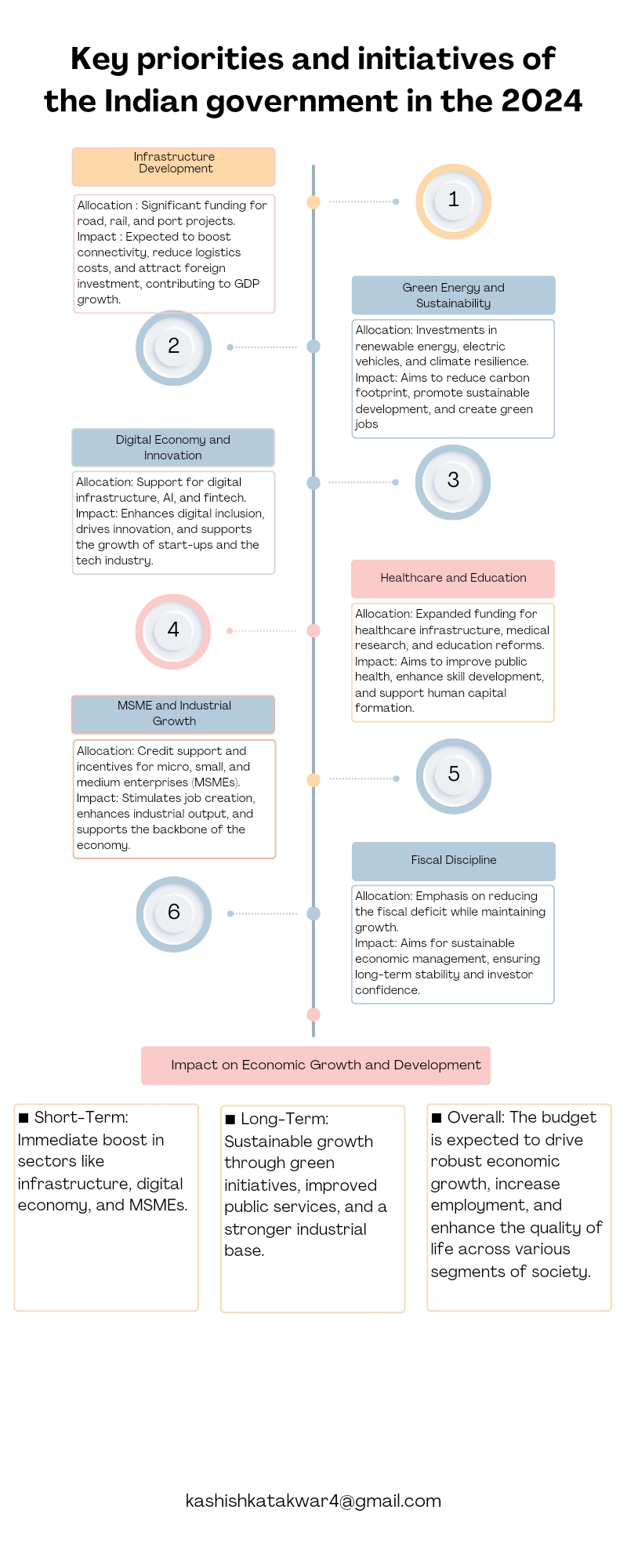
What are the key priorities and initiatives of the Indian government in the 2024 Union Budget, and how are they expected to impact the country's economic growth and development?
See lessHow can the political concepts of authority and accountability be defined, and what is their relevance to the relationship between the state and the individual?
Authority and accountability are fundamental political concepts that shape the relationship between the state and the individual. Authority refers to the legitimate power or right of an entity, such as the government or its institutions, to enforce rules, make decisions, and command obedience from iRead more
Authority and accountability are fundamental political concepts that shape the relationship between the state and the individual.
Authority refers to the legitimate power or right of an entity, such as the government or its institutions, to enforce rules, make decisions, and command obedience from individuals or groups. It is derived from legal, democratic, or traditional sources, granting the state the ability to regulate behavior and maintain order. Authority is crucial for governance because it establishes who has the power to make and enforce laws, implement policies, and provide services. It can be formalized through constitutions, legislation, or organizational rules, and it is essential for maintaining social order and implementing collective decisions.
Accountability, on the other hand, refers to the obligation of those in power to answer for their actions, decisions, and policies. It ensures that leaders and public officials are responsible for their conduct and can be held to account by citizens, institutions, or legal frameworks. Accountability mechanisms include transparency, regular reporting, audits, judicial reviews, and electoral processes. These mechanisms help ensure that authority is exercised responsibly and that power is not abused.
Relevance to the Relationship Between the State and the Individual:
Balancing Power: Authority and accountability are intertwined in ensuring a balanced relationship between the state and individuals. While authority allows the state to govern and enforce laws, accountability ensures that this power is exercised within legal and ethical boundaries. This balance prevents the abuse of power and promotes fairness and justice.
Trust and Legitimacy: Effective accountability mechanisms enhance the legitimacy of authority. When individuals perceive that their leaders and institutions are accountable, they are more likely to trust and accept the authority exercised over them. This trust is crucial for social cohesion and compliance with laws.
Citizen Participation: Accountability processes often involve citizen engagement, such as voting, public consultations, or feedback mechanisms. This participatory aspect empowers individuals, making them active stakeholders in governance and reinforcing the democratic principle that authority should reflect the will of the people.
Protecting Rights: Accountability helps protect individual rights by ensuring that state actions are subject to scrutiny and legal review. It acts as a check on the state’s power, safeguarding citizens from potential overreach and ensuring that their rights and freedoms are respected.
In summary, authority and accountability are essential for a functional and just political system. Authority provides the power to govern, while accountability ensures that this power is used responsibly and in the public interest, thus shaping a dynamic and equitable relationship between the state and its citizens.
See less"What are the best practices for ensuring accountability and ethical governance in organizations?"
1. Establish a Solid Ethical Foundation Ethical Guidelines: Create and enforce a comprehensive set of ethical guidelines that clearly outline expected conduct and standards. Principles and Values: Clearly articulate the fundamental principles and values of the organization to guide decision-making pRead more
1. Establish a Solid Ethical Foundation
See lessEthical Guidelines: Create and enforce a comprehensive set of ethical guidelines that clearly outline expected conduct and standards.
Principles and Values: Clearly articulate the fundamental principles and values of the organization to guide decision-making processes.
2. Leadership and Organizational Culture
Leading by Example: Leaders should exemplify ethical behavior and set a positive standard for employees to follow.
Ethical Environment: Cultivate an organizational culture that places a high priority on ethics and accountability at every level.
3. Governance Frameworks
Board Supervision: Ensure the presence of an active and independent board of directors to oversee management and uphold ethical standards.
Committees: Establish committees dedicated to auditing, compliance, and ethics to monitor relevant areas.
4. Openness and Communication
Transparent Communication: Promote open discussions about ethical concerns and ensure that information is easily accessible to stakeholders.
Reporting Channels: Implement secure and anonymous channels for reporting unethical behavior, such as whistleblower hotlines.
5. Policies and Procedures
Clear Guidelines: Develop clear policies and procedures that define acceptable behavior and outline consequences for violations.
Continuous Training: Provide ongoing training and education on ethics and compliance for all employees.
6. Risk Management
Risk Evaluation: Conduct regular risk assessments to identify and address potential ethical and compliance risks.
Internal Controls: Implement strong internal controls to prevent and detect unethical conduct.
7. Mechanisms for Accountability
Performance Measures: Use performance metrics that include ethical behavior as a criterion for evaluation.
Disciplinary Measures: Enforce consistent disciplinary actions for ethical violations to uphold accountability.