

“How does Climate Change Impact Unemployment Rates, and What Strategies Can Address Both Challenges Simultaneously?”


Electric vehicles (EVs) significantly reduce air pollution compared to conventional internal combustion engine vehicles, but they don't eliminate it entirely. EVs produce zero tailpipe emissions, meaning they don't release pollutants like nitrogen oxides, carbon monoxide, or particulate matter direcRead more
Electric vehicles (EVs) significantly reduce air pollution compared to conventional internal combustion engine vehicles, but they don’t eliminate it entirely. EVs produce zero tailpipe emissions, meaning they don’t release pollutants like nitrogen oxides, carbon monoxide, or particulate matter directly into the air. This results in improved air quality, especially in urban areas with high traffic density.
However, the production and disposal of EV batteries involve processes that can generate pollution. Mining for lithium, cobalt, and other materials needed for batteries can cause environmental damage and release pollutants. Additionally, the manufacturing process for EVs and their batteries is energy-intensive and can produce emissions if powered by fossil fuels.
The extent to which EVs reduce overall pollution depends on the energy sources used to generate the electricity that powers them. If the electricity comes from renewable sources like wind, solar, or hydroelectric power, the overall environmental impact is minimal. However, if the electricity is generated from coal or other fossil fuels, some pollution is effectively postponed to the power plants.
Overall, EVs are a crucial step toward reducing air pollution and mitigating climate change, but their full environmental benefits depend on clean energy production and sustainable practices in battery manufacturing and recycling.
See less


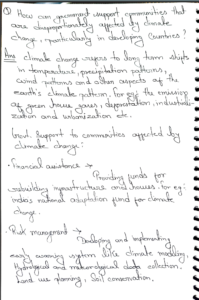


Climate change impacts unemployment by disrupting industries, causing regional displacement, and affecting health. Sectors like agriculture, tourism, fishing, and traditional energy face job losses due to extreme weather events, changing climate conditions, and the shift to renewable energy. RegionsRead more
Climate change impacts unemployment by disrupting industries, causing regional displacement, and affecting health. Sectors like agriculture, tourism, fishing, and traditional energy face job losses due to extreme weather events, changing climate conditions, and the shift to renewable energy. Regions affected by rising sea levels or extreme heat see economic instability and job losses as people are forced to migrate. Health impacts reduce workforce productivity and increase absenteeism.
Addressing these challenges requires strategies that create green jobs and support sustainable development. Investing in renewable energy and energy efficiency programs generates employment while reducing emissions. Promoting sustainable agriculture and efficient water management helps maintain agricultural jobs despite climate changes. Building disaster-resilient infrastructure protects communities and creates jobs in construction and engineering. Education and reskilling programs prepare workers for transitions from declining industries to growing green sectors.
Government incentives and public-private partnerships can fund projects that address both climate change and unemployment. Social safety nets for displaced workers, including financial assistance and job placement services, mitigate the economic and social effects of job losses. These integrated strategies foster sustainable economic growth and community resilience, creating a stable and prosperous future in the face of climate change.
See less