

Lost your password? Please enter your email address. You will receive a link and will create a new password via email.
Please briefly explain why you feel this question should be reported.
Please briefly explain why you feel this answer should be reported.
Please briefly explain why you feel this user should be reported.
Discuss the environmental and socio-economic impacts of invasive alien species.
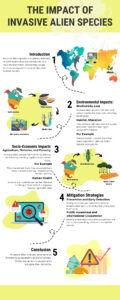
Environmental Impacts: Invasive alien species compete with native species for resources, reducing biodiversity. They change habitats, nutrient cycles, and water systems, which can lead to ecosystem collapse. Example: Zebra mussels in North American waterways block pipes, push out native mussels, andRead more
- Environmental Impacts:
- Invasive alien species compete with native species for resources, reducing biodiversity.
- They change habitats, nutrient cycles, and water systems, which can lead to ecosystem collapse.
- Example: Zebra mussels in North American waterways block pipes, push out native mussels, and alter aquatic ecosystems.
- Socio-Economic Impacts:
- Invasive alien species harm farming, fishing, and forestry, causing significant economic losses.
- Example: The emerald ash borer has destroyed ash trees in North America, leading to losses in the timber industry and higher costs for removing and replacing trees.
- Invasive alien species can spread diseases and allergens, affecting human health.
- Example: The Asian tiger mosquito carries diseases like dengue fever and chikungunya, increasing health risks and public health costs.
- Mitigation Strategies:
- Strong prevention, early detection, and quick response strategies are needed.
- Raising public awareness and working together internationally are crucial for controlling the spread of invasive alien species.
See less