

Examine how farmer-producer organizations (FPOs) and other institutional structures help small and marginal farmers become more integrated into the marketing system. Talk about the difficulties these farmers encounter in accessing organized marketplaces and value chains.


Evaluating the Potential of Contract Farming, Direct Marketing, and E-Commerce Platforms in Empowering Farmers 1. Potential of Contract Farming Empowering Farmers Guaranteed Market Access: Contract farming provides farmers with pre-agreed prices and guaranteed markets, reducing their risk of price vRead more
Evaluating the Potential of Contract Farming, Direct Marketing, and E-Commerce Platforms in Empowering Farmers
1. Potential of Contract Farming
Empowering Farmers
- Guaranteed Market Access: Contract farming provides farmers with pre-agreed prices and guaranteed markets, reducing their risk of price volatility.
- Access to Technology and Inputs: Contract farming often includes provisions for access to advanced agricultural technologies, high-quality seeds, and better farming practices.
Recent Examples:
- Punjab and Haryana: In these states, contract farming agreements with major agribusinesses like ITC and PepsiCo have led to better market access and technology transfer for farmers growing crops like potatoes and corn.
Challenges:
- Power Imbalance: Often, large agribusinesses hold more negotiating power, which can lead to unfair terms for smallholder farmers.
- Regulatory Oversight: There is a need for robust mechanisms to ensure fair contract terms and dispute resolution.
2. Potential of Direct Marketing
Empowering Farmers
- Elimination of Intermediaries: Direct marketing allows farmers to sell their produce directly to consumers or businesses, improving their profit margins by eliminating middlemen.
- Price Transparency: Direct marketing platforms often offer better price transparency, allowing farmers to receive fair prices for their produce.
Recent Examples:
- NABARD’s Farmers’ Markets: In various states like Kerala and Maharashtra, direct selling platforms such as farmers’ markets have helped local farmers access urban markets directly.
Challenges:
- Infrastructure and Logistics: Effective direct marketing requires robust infrastructure for storage, transportation, and consumer outreach.
- Market Access: Small-scale farmers may lack the resources or knowledge to engage in direct marketing effectively.
3. Potential of E-Commerce Platforms
Empowering Farmers
- Wider Market Access: E-commerce platforms enable farmers to reach a broader consumer base beyond local markets, including national and international markets.
- Data-Driven Insights: Platforms often provide valuable data on market trends, pricing, and consumer preferences, which can help farmers make informed decisions.
Recent Examples:
- AgriTech Startups: Platforms like BigBasket, Ninjacart, and Fipola have provided digital avenues for farmers to sell their produce directly to consumers or retailers, increasing their market reach and profitability.
Challenges:
- Digital Divide: Limited access to digital tools and internet connectivity can hinder the adoption of e-commerce among rural farmers.
- Logistics and Payment Systems: Efficient logistics and secure payment systems are crucial for the success of e-commerce in agriculture.
4. Regulatory and Policy Frameworks
Supporting Contract Farming
- Fair Contracts Act: Implementing and enforcing regulations that ensure fair terms in contract farming agreements and protect farmers from exploitation.
- Example: The Farmers (Empowerment and Protection) Agreement on Price Assurance and Farm Services Act, 2020 aims to provide a framework for fair contracts and dispute resolution.
Supporting Direct Marketing
- Market Infrastructure Development: Investing in infrastructure such as local markets and storage facilities to facilitate direct marketing.
- Example: The Pradhan Mantri Gram Sadak Yojana (PMGSY), which improves rural connectivity, can also support direct marketing by enhancing farmers’ access to markets.
Supporting E-Commerce Platforms
- Digital Literacy Programs: Promoting digital literacy among farmers to enable them to effectively use e-commerce platforms.
- Regulations for Fair Trade: Ensuring that e-commerce platforms adhere to fair trade practices and provide transparent pricing and payment systems.
- Example: Initiatives like Digital India and Startup India include provisions for promoting digital platforms and technology adoption in agriculture.
5. Policy Recommendations
Strengthening Legal Frameworks
- Contract Farming: Enhance legal protections for farmers in contract farming agreements and establish clear mechanisms for dispute resolution.
- Direct Marketing: Develop policies that support the creation of direct marketing platforms and improve infrastructure.
Promoting Digital Inclusion
- E-Commerce: Increase investment in digital infrastructure and literacy programs to bridge the digital divide and support e-commerce adoption among farmers.
- Example: The National Digital Agriculture Mission aims to support the digital transformation of agriculture, including e-commerce platforms.
Investing in Infrastructure
- Storage and Transport: Invest in infrastructure that supports direct marketing and e-commerce, including cold storage facilities and efficient transport networks.
6. Conclusion
Contract farming, direct marketing, and e-commerce platforms offer significant potential to empower farmers by improving their access to markets and ensuring better prices for their produce. While each of these approaches presents unique opportunities, they also face challenges that need to be addressed through comprehensive regulatory and policy frameworks. Enhancing legal protections, promoting digital inclusion, and investing in infrastructure are critical steps towards realizing the full potential of these marketing channels and ensuring their benefits are widely accessible to India’s farming community.
See less


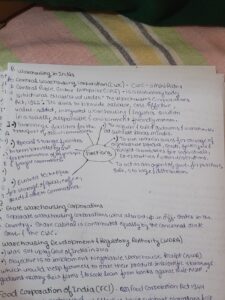


 The newly established Ministry of Cooperation in coordination with the Ministry of Agriculture & Farmers Welfare can adopt the best practices of the milk sector from the states of Gujarat and Maharashtra into the agriculture procurement and marketing societies. Agri Infra Fund as well as the Rural Infrastructure Development Fund (RIDF) of NABARD can be used to strengthen the cereals and pulses procurement and marketing mechanism in India.

 Impact on the livelihood of small and marginal farmers :

Small and marginal farmers in India face several challenges in accessing organized markets and value chains. Understanding these challenges and the role of farmer producer organizations (FPOs) and other institutional arrangements in integrating these farmers is crucial. Challenges faced by small andRead more
Small and marginal farmers in India face several challenges in accessing organized markets and value chains. Understanding these challenges and the role of farmer producer organizations (FPOs) and other institutional arrangements in integrating these farmers is crucial.
Challenges faced by small and marginal farmers:
1. Limited access to market information:
2. Inadequate bargaining power:
3. High transaction costs:
4. Lack of infrastructure and storage facilities:
5. Restricted access to credit and financial services:
Role of Farmer Producer Organizations (FPOs) and other institutional arrangements:
1. Aggregation and collective bargaining power:
2. Improved access to inputs and services:
3. Enhanced market linkages:
4. Capacity building and training:
5. Access to financial services:
6. Institutional arrangements for market integration:
The challenges faced by small and marginal farmers in accessing organized markets and value chains are multifaceted. However, the emergence of FPOs and other institutional arrangements has shown promising results in addressing these challenges and integrating these farmers into the marketing system. Continued support and investment in strengthening these institutional mechanisms, along with complementary infrastructure development and policy interventions, will be critical to ensure the long-term prosperity and inclusion of small and marginal farmers in the agricultural value chain.
See less