

What were the key motivations behind the first amendment to the Indian Constitution in 1951, and how has it influenced subsequent amendments?

![[Deleted User]](https://mainsanswerwriting.com/wp-content/plugins/WPQA/images/default-image.png "[Deleted User]")

The recent meeting between Indian Prime Minister Narendra Modi and Russian President Vladimir Putin has significant implications for global geopolitics. The discussions underscored the enduring strategic relationship between India and Russia, which has roots in the Cold War era. India remains a majoRead more
The recent meeting between Indian Prime Minister Narendra Modi and Russian President Vladimir Putin has significant implications for global geopolitics. The discussions underscored the enduring strategic relationship between India and Russia, which has roots in the Cold War era. India remains a major purchaser of Russian oil and arms despite the pressure from Western nations to distance itself from Russia due to the ongoing conflict in Ukraine. This dynamic reveals India’s balancing act of maintaining its long-standing ties with Russia while fostering closer security relations with Western countries as a countermeasure to China’s influence in the Asia-Pacific region.
Modi emphasized the importance of peace and dialogue, expressing India’s stance that war cannot solve problems. This statement reflects India’s careful diplomatic approach, as it has refrained from explicitly condemning Russia’s actions in Ukraine. The economic aspect of their relationship has shifted, with India significantly increasing its imports of Russian crude oil, which has helped mitigate the impact of Western sanctions on Russia while benefiting India’s energy needs at reduced costs. This interdependency highlights the complex economic and geopolitical ties between the two nations.
However, the meeting also highlighted the challenges in the bilateral relationship. Russia’s military engagement in Ukraine has strained its ability to supply arms, prompting India to diversify its defence procurement sources. Additionally, India’s increasing trade deficit with Russia and the geopolitical tensions involving China’s growing alliance with Russia add complexity. As India seeks to navigate its role on the global stage, this meeting reaffirms its strategic autonomy and the necessity of a multifaceted foreign policy approach.
See less


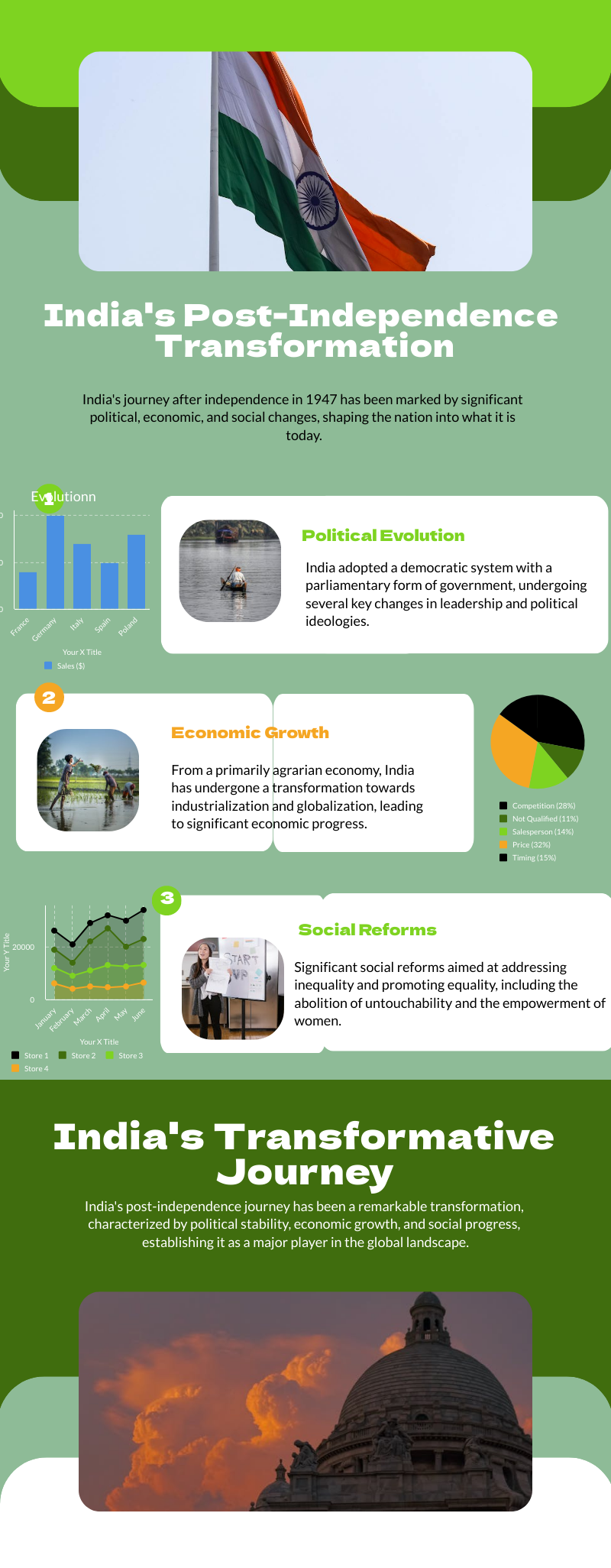
The Government of India can help preserve regional diversity while maintaining national unity in several ways: Encourage Federalism: Strengthen federalism by devolving powers to state governments, allowing them to make decisions on issues that affect their respective regions. Cultural and Language PRead more
The Government of India can help preserve regional diversity while maintaining national unity in several ways:
- Encourage Federalism: Strengthen federalism by devolving powers to state governments, allowing them to make decisions on issues that affect their respective regions.
- Cultural and Language Preservation: Implement policies to preserve and promote regional languages, cultures, and traditions, such as language education programs, cultural festivals, and grants for arts and culture initiatives.
- Regional Development: Allocate funds and resources to develop infrastructure, industries, and economic opportunities in regions that need them most, reducing regional disparities.
- Education and Empowerment: Implement education policies that emphasize regional languages and cultures, while also promoting national values and unity. Provide scholarships and training programs to empower people from diverse regions.
- Inclusive Governance: Ensure that government institutions and decision-making processes are inclusive, representative, and responsive to the needs of all regions.
- Tourism Development: Promote tourism in different regions, showcasing their unique cultural heritage and natural beauty, which can help bridge the gap between regions.
- Media Outreach: Encourage media outlets to report on regional issues and stories, highlighting the diversity of India’s regions and cultures.
- Inter-Regional Collaboration: Foster partnerships between regional governments, industries, and civil society organizations to address common challenges and promote mutual understanding.
- National Symbols and Emblems: Celebrate national symbols like the Indian flag, national anthem, and national holidays to promote a sense of shared identity and unity.
- Disaster Relief and Response: Provide timely and effective disaster relief and response efforts to all regions, demonstrating the government’s commitment to the well-being of all citizens.
- People-to-People Contact Programs: Implement programs that facilitate people-to-people contact between regions, such as exchange programs for students, artists, or professionals.
- Regional Empowerment Zones: Establish special empowerment zones for underdeveloped regions, providing them with preferential treatment in terms of funding, infrastructure development, and policy support.
See less