

How can we ensure equal access to quality education for students from diverse socioeconomic backgrounds?


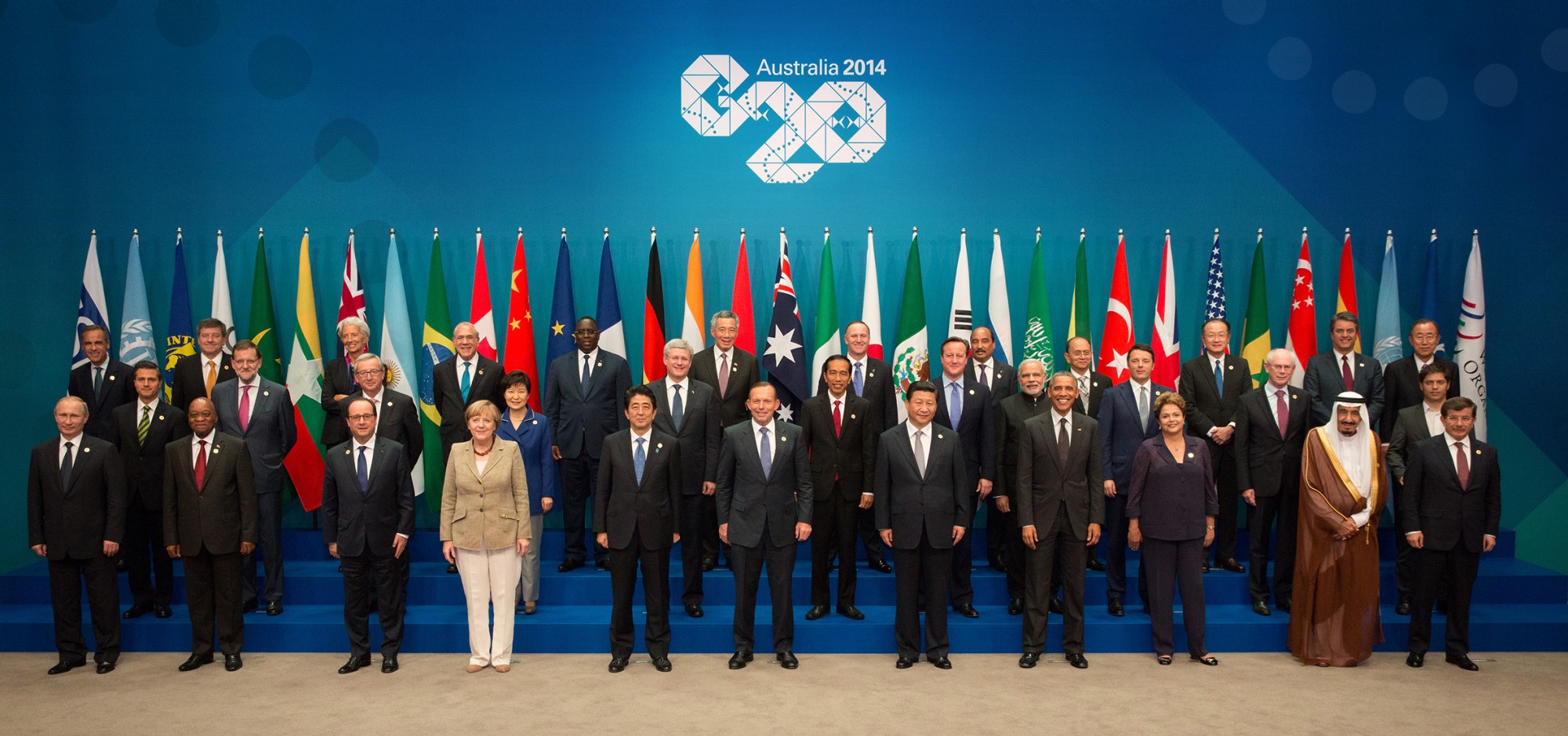
The G20, comprising 19 countries and the European Union, plays a crucial role in shaping global economic policies by providing a platform for advanced and emerging economies to collaborate on addressing major economic challenges. The G20 represents around 85% of global GDP and two-thirds of the worlRead more
The G20, comprising 19 countries and the European Union, plays a crucial role in shaping global economic policies by providing a platform for advanced and emerging economies to collaborate on addressing major economic challenges. The G20 represents around 85% of global GDP and two-thirds of the world’s population, making it a significant force in international economic governance.
Role of the G20
Policy Coordination:
The G20 coordinates macroeconomic policies among its members to promote global economic stability and growth. This includes addressing issues such as monetary policy, fiscal policy, and structural reforms.
Crisis Management:
The G20 has been instrumental in managing global financial crises. For example, during the 2008 financial crisis, the G20 coordinated stimulus measures that helped stabilize the global economy.
Financial Regulation:
The G20 works to improve financial regulation and supervision to prevent future crises. This includes efforts to strengthen banking regulations and increase transparency in financial markets.
Inclusive Growth:
The G20 promotes inclusive growth by addressing issues such as poverty, inequality, and sustainable development. This includes initiatives to support developing countries and integrate them into the global economy.
Influence of Advanced and Emerging Economies
Advanced Economies:
Countries like the United States, Germany, and Japan bring extensive experience in economic policy-making and substantial financial resources. They influence G20 agendas by promoting policies that stabilize and grow the global economy. For example, advanced economies often lead discussions on financial regulation and trade policies.
Emerging Economies:
Countries like China, India, and Brazil provide perspectives that ensure the interests of developing nations are represented. They advocate for policies that support sustainable development, poverty reduction, and equitable growth. Emerging economies also contribute to global demand and economic diversification.
Key Initiatives and Agreements
2008 Financial Crisis Response:
In response to the global financial crisis, the G20 implemented coordinated fiscal stimulus packages and pledged over $1 trillion to restore credit, growth, and jobs. This collective action helped to stabilize the global economy and prevent a deeper recession.
Basel III:
The G20 endorsed the Basel III regulatory framework, which introduced stronger capital and liquidity requirements for banks. This has enhanced the resilience of the global banking system and reduced the risk of future financial crises.
Paris Agreement on Climate Change (2015):
The G20 played a significant role in facilitating the Paris Agreement by promoting dialogue and consensus among member countries. The agreement aims to limit global warming and reduce greenhouse gas emissions, impacting global environmental and economic policies.
Digital Economy and Innovation:
The G20 has increasingly focused on the digital economy, recognizing its role in driving future growth. Initiatives include promoting digital infrastructure, enhancing cybersecurity, and fostering innovation.
Sustainable Development Goals (SDGs):
The G20 supports the United Nations’ SDGs, aiming to address global challenges such as poverty, inequality, and climate change. The G20’s endorsement and action plans help align national policies with these global objectives.
Impact on the Global Economy
Economic Stabilization:
The G20’s coordinated actions during the 2008 financial crisis demonstrated the power of collective response, stabilizing global markets and fostering recovery.
Financial System Resilience:
Regulatory frameworks like Basel III have strengthened the global financial system, making it more resilient to shocks.
Climate Action:
The G20’s support for the Paris Agreement has galvanized global efforts to combat climate change, influencing national policies and encouraging sustainable practices.
Digital Transformation:
G20 initiatives on the digital economy are fostering innovation, improving digital infrastructure, and addressing the digital divide, contributing to global economic growth and competitiveness.
By bringing together advanced and emerging economies, the G20 provides a unique forum for addressing global economic challenges, promoting stability, and fostering inclusive and sustainable growth. Its initiatives and agreements have a profound impact on the global economy, shaping policies that influence both national and international economic landscapes.
See less


This is one of the most serious challenges the educational system faces, in my view: making quality education accessible to all students coming from different socio-economic backgrounds. Combining approaches that work at both systematic barriers and focused support will be required to establish thisRead more
This is one of the most serious challenges the educational system faces, in my view: making quality education accessible to all students coming from different socio-economic backgrounds. Combining approaches that work at both systematic barriers and focused support will be required to establish this. Here are ways that can be practically effective in accomplishing this task:
Progressive funding models: Implement funding formulas at the district or state level that give larger shares of their budgets to schools serving low-income communities. This may help level disparities in local tax bases and ensure that all schools have enough money for good teachers, materials, and facilities.
Early childhood education: Expand access to high-quality preschool and other early learning programs in disadvantaged areas. Intervening early can begin closing achievement gaps before they get too wide.
Access to technology: Students must be provided devices and reliable access to the internet, especially for students who come from low-income families. This grew to be more important during the digital age and several remote learning scenarios.
Comprehensive support services: Schools must be given wraparound services like healthcare, nutrition programs, counseling, and social services. Many nonacademic barriers can be attended to in order to help ensure that a student is ready and able to learn.
Teacher development and retention: It would offer professional development for teachers in culturally responsive teaching practices. Provide incentives for the best teachers to teach in challenged schools.
Diverse curriculum: Ensure materials and instructional strategies are inclusive and reflective of diverse experiences and viewpoints as well.
College and career readiness: Increase advising about college and careers for all students, with a specific focus on first-generation college-bound students. Provide financial-aid and scholarship information to facilitate financing one’s education.
More opportunities for learning: Availability of after-school programs, summer learning initiatives, and mentorship programs to offer supplementary academic support and enrichment.
Community partnerships: Establish business-school and community organization-school partnerships to provide access to resources, internships, and relevant learning.
Data-driven interventions: Analyze data to identify lapses in student achievement; apply suitable interventions to the problems of lagging behind students. Transportation solutions: quality schools have accessible transportation systems in which school choice is feasible but impeded by geographical factors. Language support: Have robust English language learner programs with bilingual education options for students from diverse linguistic backgrounds.
Their implementation requires sustained effort, political will, and community engagement. This is important to note that there is no single solution for all, and hence approaches should be tailored according to specific community needs. But if we can work on both in-school factors and the broader societal inequities, then we can definitely take huge leaps toward making quality education accessible and equal for every student, irrespective of their socio-economic background.
See less