

What role does cloud computing play in modern IT infrastructure?


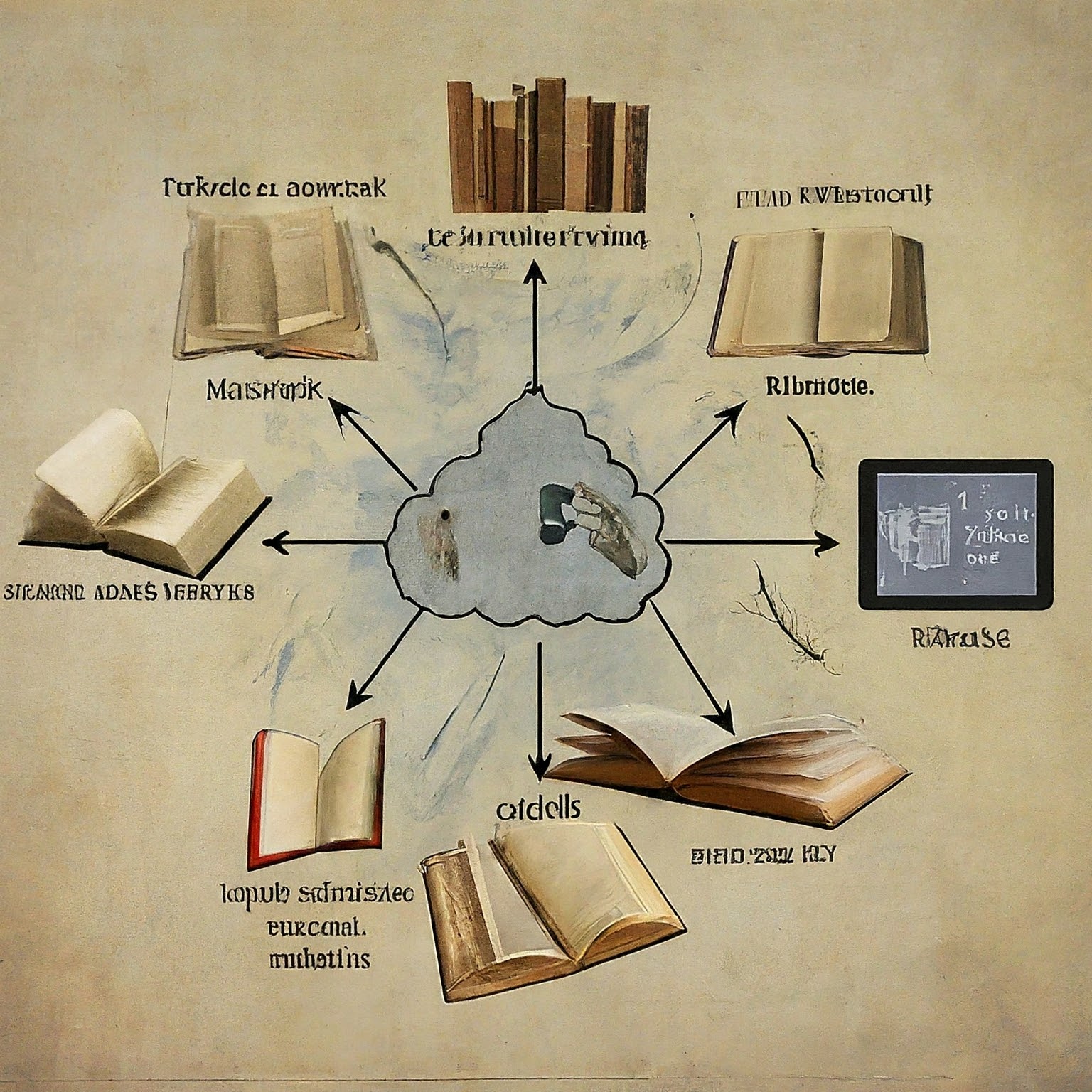
The advent of digital technology and e-books has profoundly transformed traditional print literature and the reading experience. Here’s an overview of these changes: 1. Accessibility and Distribution Increased Reach: Digital technology has significantly expanded the reach of literature. E-books andRead more
The advent of digital technology and e-books has profoundly transformed traditional print literature and the reading experience. Here’s an overview of these changes:
1. Accessibility and Distribution
- Increased Reach: Digital technology has significantly expanded the reach of literature. E-books and online publications are accessible globally, allowing authors and publishers to reach a wider audience without the geographical constraints of print.
- Instant Access: Readers can instantly access and purchase books from digital platforms, reducing the time and effort needed to acquire new literature. This immediacy contrasts with the often time-consuming process of ordering and waiting for print books.
2. Changing Reading Habits
- Convenience: E-books provide the convenience of carrying multiple books in a single device, such as a tablet or e-reader. This portability has altered reading habits, enabling readers to access their libraries anytime, anywhere.
- Multimedia Integration: Digital platforms often include interactive features such as hyperlinks, multimedia content (videos, audio), and annotations, enhancing the reading experience and providing supplementary material that print books cannot.
3. Economic and Environmental Implications
- Cost Efficiency: E-books often cost less to produce and purchase compared to print books. The elimination of printing, shipping, and storage costs benefits both publishers and consumers.
- Environmental Impact: Digital books reduce the need for paper and physical resources, which can contribute to a decrease in the environmental impact associated with print publishing.
4. Preservation and Innovation
- Archiving and Preservation: Digital technology aids in the preservation of literary works by providing a format that can be easily stored and backed up, ensuring that literature remains accessible over time.
- New Formats and Genres: The digital age has introduced new literary forms such as interactive fiction, serialized content, and self-publishing platforms, allowing for greater innovation and experimentation in literature.
5. Challenges and Considerations
- Digital Divide: Access to digital literature requires technology and internet connectivity, which may exclude certain populations and contribute to the digital divide.
- Sensory Experience: Some readers and critics argue that digital reading lacks the tactile pleasure and aesthetic experience associated with traditional print books, including the feel of paper and the physical presence of a book.


The foundation of today's IT architecture is cloud computing, which has completely changed how companies access resources, execute apps, and store data. Here's how to do it: Cost-effectiveness: The pay-as-you-go concept is used by cloud services. By only paying for the resources they use, businessesRead more
The foundation of today’s IT architecture is cloud computing, which has completely changed how companies access resources, execute apps, and store data. Here’s how to do it:
Cost-effectiveness: The pay-as-you-go concept is used by cloud services. By only paying for the resources they use, businesses may avoid the up-front expenses associated with purchasing and maintaining physical servers. This releases funds to be used for other investments.
Scalability: Cloud computing offers very scalable resources. Based on their actual demands, businesses may simply scale up or down their processing and storage capacity. This enables adaptability in managing varying workloads.
Agility and Innovation: Compared to traditional techniques, cloud deployment of apps happens considerably faster. Companies may test prototypes, introduce new projects, and adjust fast to shifting market dynamics. This promotes quicker time to market and innovation.
More Security: To protect data, cloud companies have a staff of specialists and make significant investments in security measures. Comparing some on-premise systems to regular upgrades and patches guarantees a more secure environment.
Cutting-edge technology like machine learning and artificial intelligence are accessible through cloud platforms. With little initial infrastructure expenditure, businesses may take use of these capabilities.
To put it briefly, cloud computing provides an affordable, scalable, and adaptable IT base. With agility, security, and access to cutting-edge technology, it gives organizations the tools they need to succeed in the modern digital environment and foster creativity.
See less