

Politics and Economics in India- Whether it is separate or linked?


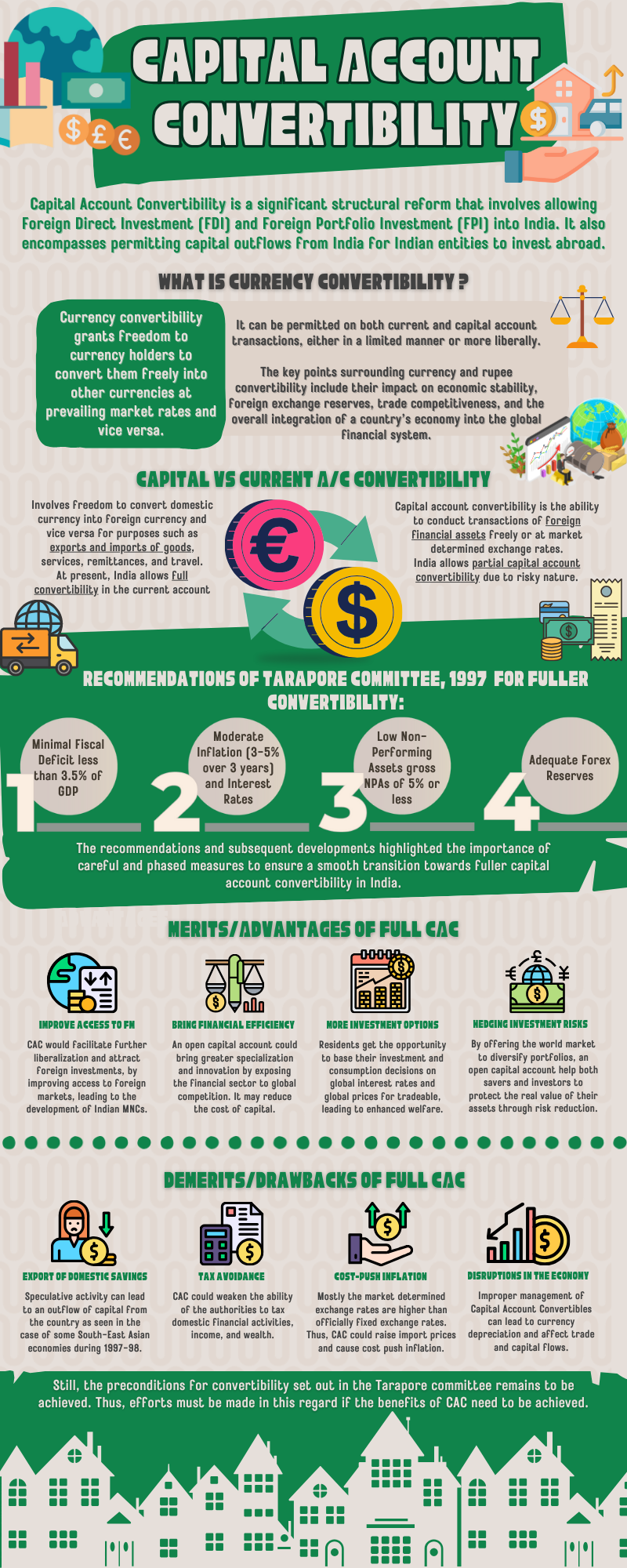
Global economic interdependencies and exchange rate fluctuations significantly impact the effectiveness of national monetary policies, particularly in small open economies. *Global Economic Interdependencies:* 1. Trade relationships: Imports and exports affect domestic economic activity. 2. CapitalRead more
Global economic interdependencies and exchange rate fluctuations significantly impact the effectiveness of national monetary policies, particularly in small open economies.
*Global Economic Interdependencies:*
1. Trade relationships: Imports and exports affect domestic economic activity.
2. Capital flows: Foreign investment and borrowing influence interest rates and currency values.
3. Supply chains: Global disruptions impact domestic production and inflation.
*Exchange Rate Fluctuations:*
1. Currency appreciation: Increases exports’ costs, reduces competitiveness.
2. Currency depreciation: Boosts exports, but potentially fuels inflation.
3. Volatility: Uncertainty affects investment and trade decisions.
*Impact on Monetary Policy:*
1. Reduced policy effectiveness: Global factors can offset domestic monetary policy actions.
2. Policy transmission: Exchange rate changes alter the impact of interest rate adjustments.
3. Increased complexity: Central banks must consider global developments.
*Challenges for Small Open Economies:*
1. Limited policy space: Smaller economies have less room for maneuver.
2. Higher sensitivity: Global shocks have a disproportionate impact.
3. Dependence on external factors: Trade and capital flows dominate domestic activity.
*Mitigating Strategies:*
1. Flexible exchange rates: Allow currency to adjust to global changes.
2. Inflation targeting: Focus on domestic price stability.
3. Macroprudential policies: Address systemic risks and financial stability.
4. International cooperation: Collaborate with other central banks.
5. Diversification: Reduce dependence on specific trade partners or industries.
*Examples:*
1. Singapore’s monetary policy: Focuses on exchange rate management.
2. Switzerland’s negative interest rates: Counters safe-haven capital inflows.
3. Canada’s inflation targeting: Adjusts policy to global commodity price shifts.
*Key Takeaways:*
1. Global interdependencies and exchange rate fluctuations significantly impact national monetary policies.
2. Small open economies face unique challenges due to limited policy space and sensitivity to external factors.
3. Flexible exchange rates, inflation targeting, and macroprudential policies can help mitigate these challenges.
See less








The reality is that businessmen perceive their own interests that are, many a time, at variance with the legal structure laid down by elected representatives. Powerful business groups make every effort to win over the public policymakers for the protection and promotion of their own business interesRead more
The reality is that businessmen perceive their own interests that are, many a time, at variance with the legal structure laid down by elected representatives. Powerful business groups make every effort to win over the public policymakers for the protection and promotion of their own business interests. If politics wants to control and regulate economic activity with a view to promote public good, business too wants to influence and control the government in every democracy for its own personal advantage. Hence, every modern democracy has engaged itself in evolving mechanisms to keep political decision-makers insulated from the attempts of businessmen to influence the making of public policies.
Prime Minister Manmohan Singh is seized of the problem of keeping ‘politics at a distance from business’ and, on February 3, the media reported that the ministers have been asked ‘to sever all ties with business in which they have a stake’ . The PM rightly felt that there is a likely conflict of interest if ministers are associated with business and, hence, they are advised to distance themselves from the conduct of any business they might have been interested in before appointment. While the PM set the cat among the pigeons, company affairs minister Salman Khurshid on February 4 suggested a way out and advised the ministers that, like the US President, ‘politicians in power should get trusts to handle their business interests.’ inter-relationship and illicit liaison between politics and business does not end with ministers managing their own businesses or the possibility of inter-penetration of politics and business on the basis of funds provided by businessmen for elections to political parties or individual influential political leaders. Every democratic country including India has laws for the regulation of corporate funding of elections.