

How does deforestation in India impact biodiversity and local communities, and what measures can be taken to combat it?


Effective strategies to mitigate the impact of climate change on agricultural resource availability and productivity, especially in regions prone to extreme weather conditions, include: Diversifying Crops: Planting a variety of crops can reduce the risk of total crop failure due to extreme weRead more
Effective strategies to mitigate the impact of climate change on agricultural resource availability and productivity, especially in regions prone to extreme weather conditions, include:
- Diversifying Crops: Planting a variety of crops can reduce the risk of total crop failure due to extreme weather. This includes using climate-resilient crop varieties that can withstand drought, floods, and heat.
- Improved Irrigation Practices: Implementing efficient irrigation systems such as drip or sprinkler irrigation can conserve water and ensure crops receive adequate moisture even during dry spells.
- Soil Management: Practices like no-till farming, cover cropping, and crop rotation enhance soil health, improve water retention, and reduce erosion, making agriculture more resilient to extreme weather.
- Agroforestry: Integrating trees with crops and livestock systems provides shade, reduces soil erosion, and improves biodiversity, which can buffer against climate impacts.
- Early Warning Systems: Developing and utilizing early warning systems for extreme weather events can help farmers prepare and take preventive measures, reducing potential damage.
- Climate-Smart Agriculture: Implementing practices and technologies that increase productivity while reducing greenhouse gas emissions and enhancing resilience, such as precision farming, organic farming, and the use of renewable energy.
- Policy Support and Education: Governments and organizations should provide support through policies that promote sustainable practices and educate farmers on adaptive strategies and modern agricultural techniques.
- Research and Development: Investing in agricultural research to develop new technologies and crop varieties that are resistant to climate stresses is crucial for long-term adaptation.
These strategies collectively enhance the resilience of agricultural systems, ensuring food security and sustainable productivity in the face of climate change.
See less


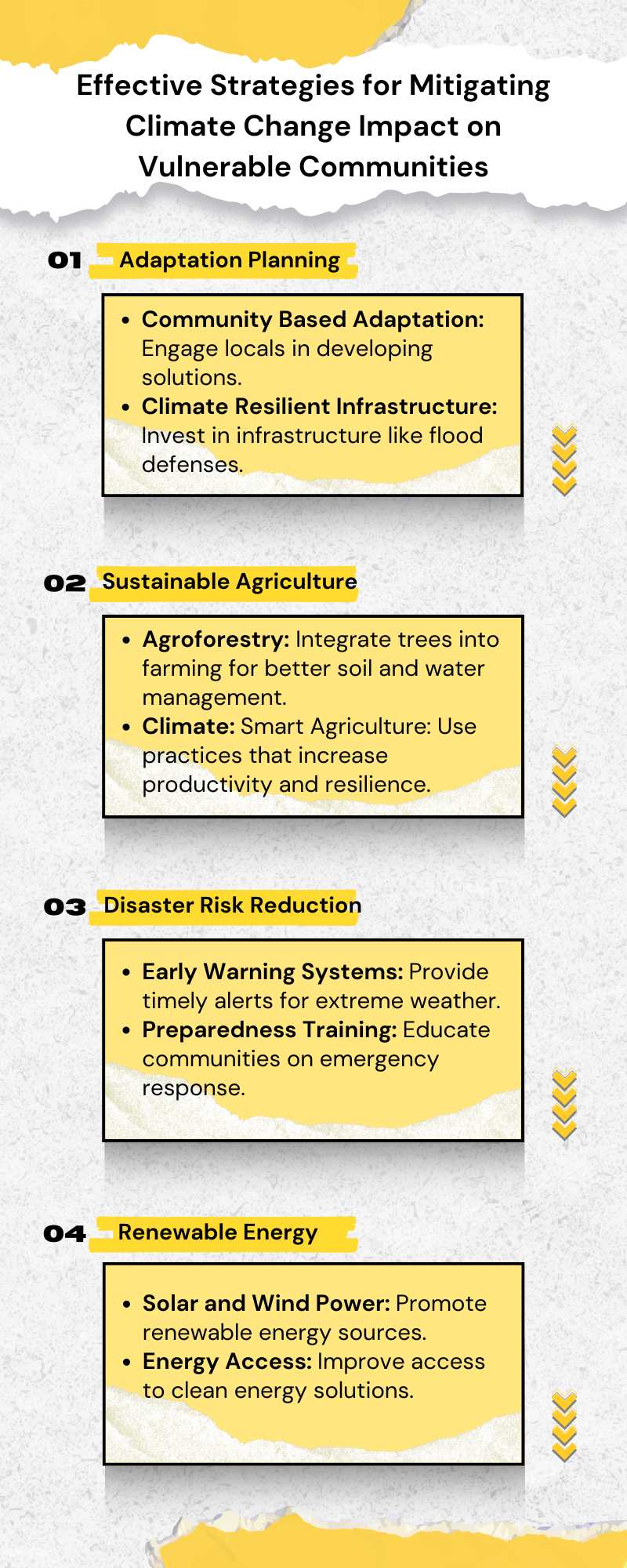
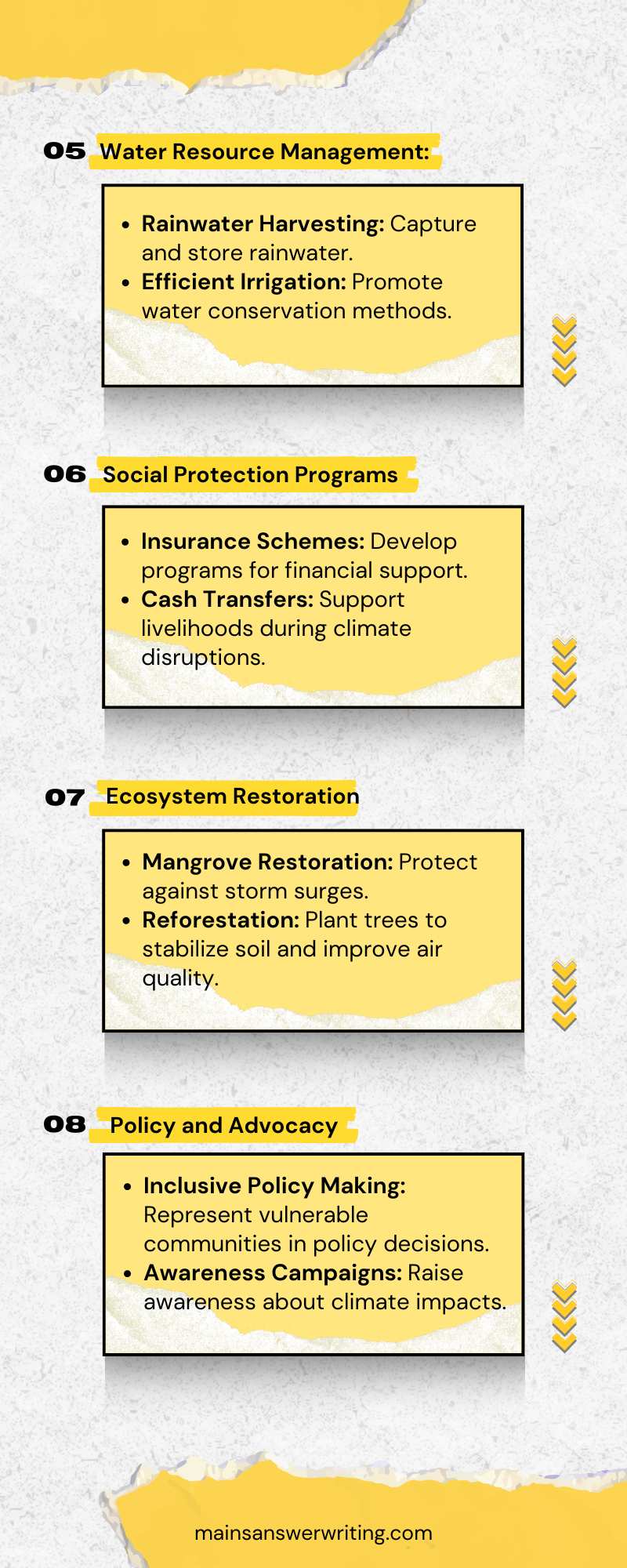





Deforestation in India severely impacts biodiversity by reducing habitats for endemic species and exacerbating climate change through carbon release. Local communities suffer from loss of livelihoods and increased vulnerability to natural disasters like landslides and water scarcity. To combat deforRead more
Deforestation in India severely impacts biodiversity by reducing habitats for endemic species and exacerbating climate change through carbon release. Local communities suffer from loss of livelihoods and increased vulnerability to natural disasters like landslides and water scarcity. To combat deforestation, India should strengthen enforcement of forest conservation laws, expand protected areas, and promote sustainable practices like agroforestry. Engaging local communities in forest management and providing alternative sources of energy can alleviate pressure on forests for fuelwood. Educational campaigns and international cooperation are crucial for raising awareness and implementing effective conservation strategies. By prioritizing sustainable forestry practices and balancing development with conservation goals, India can mitigate the detrimental effects of deforestation on biodiversity and local communities, ensuring long-term environmental and social resilience.
See less