

What are the latest methods and innovations that farmers can adopt to increase crop yield sustainably?
Mains Answer Writing Latest Questions

Prem KiranBegginer
How will advancements in AI, such as future iterations of ChatGPT, transform industries and impact the job market over the next decade?**

Meharaj MehaBegginer
How can we improve market access for farmers, especially smallholders, and ensure fair pricing for their produce?

JasleenBegginer
-
This answer was edited.

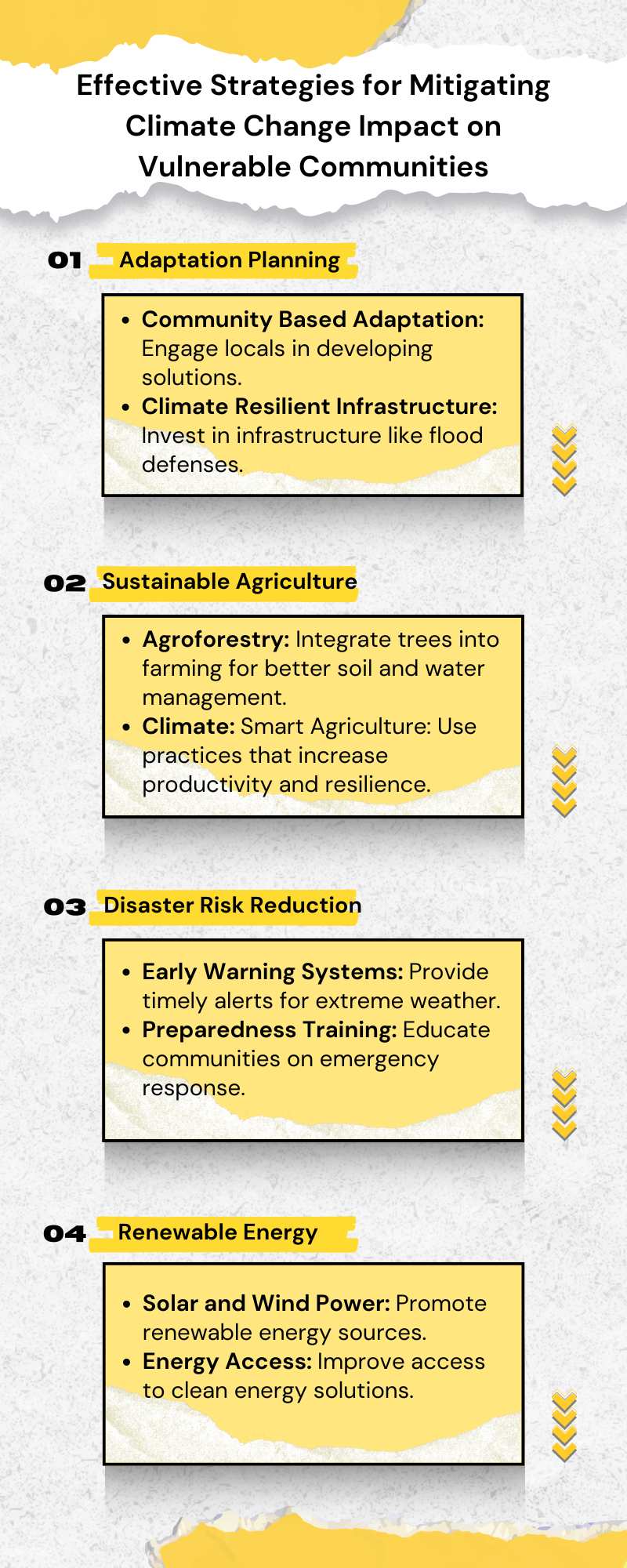
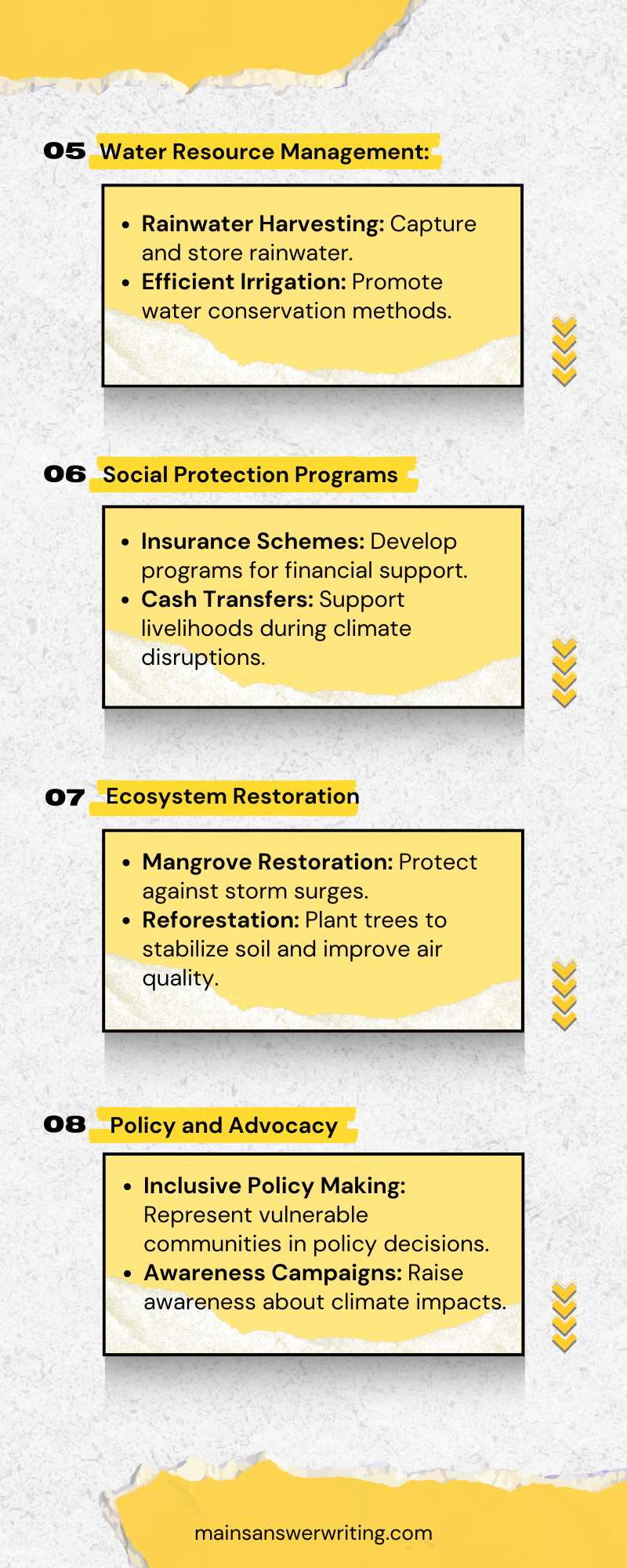

Rithin JohnsonBegginer
1. Clearly define a significant global issue and its impact. 2. Propose strategic initiatives using influence and resources. 3. Explain how initiatives will benefit local communities. 4. Address ethical considerations like sustainability and cultural impact. 5. Commit to tangible actions ...
-
To tackle pressing global issues while ensuring a positive impact on local communities, a strategic, multifaceted approach is essential. This involves leveraging influence and resources to create meaningful, sustainable change. Global Awareness Campaigns: Utilizing digital platforms and social mediaRead more
To tackle pressing global issues while ensuring a positive impact on local communities, a strategic, multifaceted approach is essential. This involves leveraging influence and resources to create meaningful, sustainable change.
- Global Awareness Campaigns: Utilizing digital platforms and social media to raise awareness about critical issues like climate change, poverty, and health disparities is crucial. By producing compelling and informative content, we can engage a global audience, driving collective action and fostering shared responsibility.
- Strategic Collaborations: Forming robust partnerships with NGOs, local governments, and businesses enables the execution of projects that address global challenges with locally tailored solutions. For example, collaborating with renewable energy companies to bring solar power to underserved regions reduces carbon emissions and creates local jobs, boosting community resilience.
- Community-Driven Initiatives: Involving local communities in decision-making ensures that initiatives are culturally relevant and widely supported. Engaging local leaders and residents allows for the co-creation of solutions that meet specific needs. Addressing food insecurity by partnering with local farmers can promote sustainable agriculture, improve food security, and strengthen local economies.
- Impact Assessment: Continuous impact assessment through data collection and feedback loops ensures strategies are effective and adaptable. This allows for ongoing refinement and maximization of positive outcomes for both global and local stakeholders.
By integrating global awareness, strategic collaborations, community-driven initiatives, and rigorous impact assessment, we can effectively address global issues while fostering impactful and sustainable change in local communities.
See less


Gaurav GangwarBegginer
-
Ensuring adequate representation of women in the higher judiciary is crucial for promoting diversity, equity, and inclusiveness within the legal system. To achieve this, it is essential to implement policies and practices that actively encourage and support the appointment of women to judicial positRead more
Ensuring adequate representation of women in the higher judiciary is crucial for promoting diversity, equity, and inclusiveness within the legal system. To achieve this, it is essential to implement policies and practices that actively encourage and support the appointment of women to judicial positions. This can be done through targeted recruitment efforts, mentorship programs, and initiatives to address gender bias in the selection process.
Additionally, providing training and professional development opportunities for female judges can help enhance their skills and expertise, preparing them for higher judicial roles. Creating a supportive work environment that values and respects gender diversity is also key to retaining women in the judiciary.
By increasing the representation of women in the higher judiciary, we can ensure a more balanced and inclusive decision-making process that considers a wide range of perspectives and experiences. This not only promotes gender equality but also strengthens the overall credibility and effectiveness of the judicial system.
See less


What are the challenges and potential solutions for integrating AI-driven predictive analytics into public infrastructure systems to enhance urban planning and resource management in smart cities?
-
Challenges: Data Quality and Integration: Public infrastructure data is often siloed and inconsistent. Integrating and cleaning this data for AI models is a major hurdle. Explainability and Transparency: AI models can be "black boxes," making it difficult to understand how they reach conclusions. ThRead more
See lessChallenges:
- Data Quality and Integration: Public infrastructure data is often siloed and inconsistent. Integrating and cleaning this data for AI models is a major hurdle.
- Explainability and Transparency: AI models can be “black boxes,” making it difficult to understand how they reach conclusions. This can raise concerns about bias and fairness in decision-making.
- Cybersecurity Threats: AI systems are vulnerable to hacking, which could disrupt critical infrastructure. Robust cybersecurity measures are essential.
- Public Trust and Acceptance: People might be hesitant to embrace AI-driven decision-making in areas like traffic management or resource allocation. Open communication and education are crucial.
Solutions:
- Standardization and Open-Source Platforms: Developing common data formats and open-source platforms can facilitate easier data integration and collaboration.
- Explainable AI (XAI) Techniques: Focusing on XAI methods helps understand AI models’ reasoning and fosters trust.
- Cybersecurity Best Practices: Implementing robust security measures like encryption and regular vulnerability assessments can protect AI systems.
- Public Engagement and Education: Proactive communication about AI’s benefits and limitations is key to gaining public trust.


HarshitaBegginer
-
Farmers can protect crops from pests and diseases without harming the environment by employing a variety of sustainable agricultural practices. One method is crop rotation, where different crops are planted in a specific sequence to disrupt the life cycle of pests and diseases. Intercropping, or plaRead more
Farmers can protect crops from pests and diseases without harming the environment by employing a variety of sustainable agricultural practices. One method is crop rotation, where different crops are planted in a specific sequence to disrupt the life cycle of pests and diseases. Intercropping, or planting different crops in close proximity, can also help deter pests by confusing them and providing habitat for beneficial insects.
Another approach is the use of natural predators and beneficial insects to control pest populations, such as ladybugs or parasitic wasps. Traps, barriers, and pheromone-based lures can also be used to monitor and manage pest populations without resorting to harmful chemicals. Additionally, organic farming methods such as the use of compost, mulch, and cover crops can improve soil health and plant immunity, making crops more resilient to pests and diseases.
When pesticides are necessary, farmers can opt for more environmentally-friendly options such as biopesticides or organic-approved chemicals. Integrated Pest Management (IPM) techniques can also be employed, which involve monitoring pest populations and using a combination of methods to minimize pesticide use.
Overall, by utilizing these sustainable methods and techniques, farmers can protect their crops from pests and diseases while also preserving the health of the environment.
See less

HarshitaBegginer
-
Organic farming and conventional farming differ primarily in their approaches to soil health, pest and weed management, fertilizer use, and overall agricultural practices: Organic Farming: 1. Methods: Relies on natural methods like crop rotation, biological pest control, and composting. 2. FertilizeRead more
Organic farming and conventional farming differ primarily in their approaches to soil health, pest and weed management, fertilizer use, and overall agricultural practices:
Organic Farming:
1. Methods: Relies on natural methods like crop rotation, biological pest control, and composting.
2. Fertilizers: Uses natural fertilizers (compost, manure) and avoids synthetic chemicals.
3. Pesticides: Limits the use of synthetic pesticides and herbicides.
4. GMOs: Prohibits genetically modified organisms (GMOs).
5. Soil Health: Focuses on enhancing soil fertility and biodiversity.
•Benefits of Organic Farming:
– Environmental: Reduces pollution, conserves water, and promotes biodiversity.
– Health: Limits exposure to synthetic chemicals in food and the environment.
– Soil: Enhances soil fertility and structure over time.
Conventional Farming:
1. Methods: Uses modern techniques and technologies, including synthetic chemicals.
2. Fertilizers: Uses synthetic fertilizers to provide specific nutrients.
3. Pesticides: Relies on synthetic pesticides and herbicides to control pests and weeds.
4. GMOs: Allows for the use of genetically modified crops where approved.
5. Yield: Often associated with higher yields per acre in certain crops.
•Benefits of Conventional Farming:
– Efficiency: Generally achieves higher yields per unit of land.
– Cost-Effectiveness: Can be more economically viable in some cases.
– Availability: Provides a more consistent supply of produce year-round.
Choosing between the two often depends on factors such as environmental impact, consumer preferences, market demands, and economic feasibility for farmers.
See less

Improving how farmers, especially smallholders, access markets and ensuring they get fair prices in the Indian subcontinent needs a well-rounded approach. First, we must improve basic structures affecting their day-to-day practices like roads, cold storage, and connections to markets. This helps farRead more
Improving how farmers, especially smallholders, access markets and ensuring they get fair prices in the Indian subcontinent needs a well-rounded approach. First, we must improve basic structures affecting their day-to-day practices like roads, cold storage, and connections to markets. This helps farmers sell their perishable goods efficiently and reach more buyers.
Government-backed groups, also known as farmer-producer organizations (FPOs) are also crucial. They bring together small farmers to sell their crops collectively, giving them more power to negotiate prices directly with buyers. FPOs also provide farmers with technology, loans, and market info, helping them make smarter decisions, thus empowering them.
Using digital platforms and online selling can make agricultural markets fairer. These tools cut out middlemen and show real-time prices, ensuring farmers get paid better for their hard work. It also encourages fair competition among buyers.
Encouraging farmers to grow different crops and add value by processing food locally can boost their income and give them stability.
Lastly, strong rules are needed to protect farmers’ rights and settle disputes fairly. This ensures they aren’t taken advantage of in the market. By doing these things, the Indian subcontinent can build a more fair and inclusive system that helps small farmers thrive.
See less