


The organic farming methods contribute to soil health and bio diversity compared to conventional farming practices because,in organic farming we use all the natural resources which are bio degradable and provides nutrients to the soil which is required for the farming.It also helps in increasing theRead more
The organic farming methods contribute to soil health and bio diversity compared to conventional farming practices because,in organic farming we use all the natural resources which are bio degradable and provides nutrients to the soil which is required for the farming.It also helps in increasing the health of the soil which increases the nutrients percentage in the food.By organic farming not only soil but also the animals,human beings all other living creatures will be healthy by consuming the food produced in a organic way.Organic farming also increases the life of the soil.Hence, organic farming is more beneficial than conventional farming practices.
See less

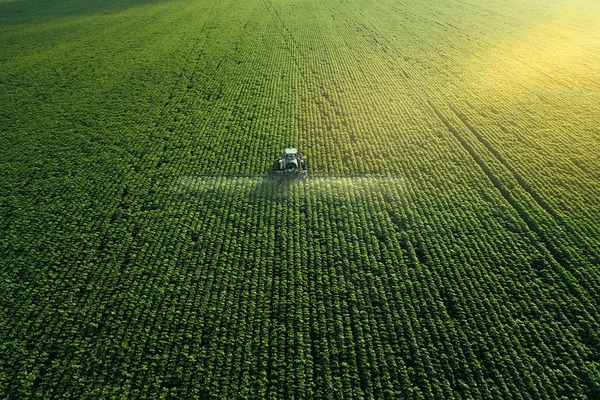




Precision agriculture technologies significantly enhance crop yield and resource efficiency through advanced data collection and analysis. Key technologies include: 1. **GPS and GIS:** GPS-based systems enable precise field mapping and crop management, while Geographic Information Systems (GIS) analRead more
Precision agriculture technologies significantly enhance crop yield and resource efficiency through advanced data collection and analysis. Key technologies include:
1. **GPS and GIS:** GPS-based systems enable precise field mapping and crop management, while Geographic Information Systems (GIS) analyze spatial data for targeted interventions.
2. **Drones and Remote Sensing:** Drones equipped with cameras and sensors capture high-resolution images, providing detailed information on crop health, soil conditions, and pest infestations. This data helps in making informed decisions on fertilization and irrigation.
3. **Variable Rate Technology (VRT):** VRT systems adjust the application rates of seeds, fertilizers, and pesticides based on real-time data from sensors, ensuring resources are used efficiently and reducing waste.
4. **Soil Sensors:** These sensors monitor soil moisture, nutrient levels, and temperature, enabling precise irrigation and fertilization strategies tailored to specific field conditions.
5. **Automated Machinery:** Autonomous tractors and harvesters use AI and machine learning to optimize planting, maintenance, and harvesting processes, increasing efficiency and reducing labor costs.
By integrating these technologies, farmers can tailor their practices to the unique needs of their fields, improving yields, minimizing resource use, and reducing environmental impact.
See less