


The PM-KISAN (Pradhan Mantri Kisan Samman Nidhi) scheme was introduced by the Government of India to provide income support to small and marginal farmers. Here’s a discussion on its effectiveness: Positive Aspects: Direct Income Support: PM-KISAN provides direct income support of Rs. 6,000 per yearRead more
The PM-KISAN (Pradhan Mantri Kisan Samman Nidhi) scheme was introduced by the Government of India to provide income support to small and marginal farmers. Here’s a discussion on its effectiveness:
Positive Aspects:
- Direct Income Support: PM-KISAN provides direct income support of Rs. 6,000 per year in three installments of Rs. 2,000 each directly into the bank accounts of eligible farmers. This support aims to augment the income of farmers, especially those with limited landholding.
- Reach and Coverage: The scheme aims to benefit around 12 crore small and marginal farmer families across India, making it one of the largest initiatives of its kind globally in terms of coverage.
- Financial Inclusion: By requiring beneficiaries to have a bank account, PM-KISAN promotes financial inclusion among farmers, ensuring they have access to formal banking services.
- Ease of Implementation: The scheme’s straightforward mechanism of providing direct income support through direct benefit transfer (DBT) helps in minimizing leakage and ensures timely delivery of funds to the intended beneficiaries.
Challenges and Limitations:
- Coverage Issues: Despite its wide coverage, there have been challenges in identifying and enrolling all eligible farmers due to issues such as outdated land records, errors in Aadhaar seeding, and lack of awareness among farmers.
- Income Augmentation: While the scheme provides income support, its effectiveness in significantly improving the overall income of small and marginal farmers remains debated. Rs. 6,000 per year may not be sufficient to address the broader income needs of farmers facing various challenges including low productivity, price volatility, and debt burdens.
- Impact on Agricultural Productivity: Critics argue that income support alone may not incentivize
farmers to invest in improving agricultural productivity or diversifying into higher-value crops. The scheme primarily addresses income stability rather than enhancing long-term agricultural productivity.


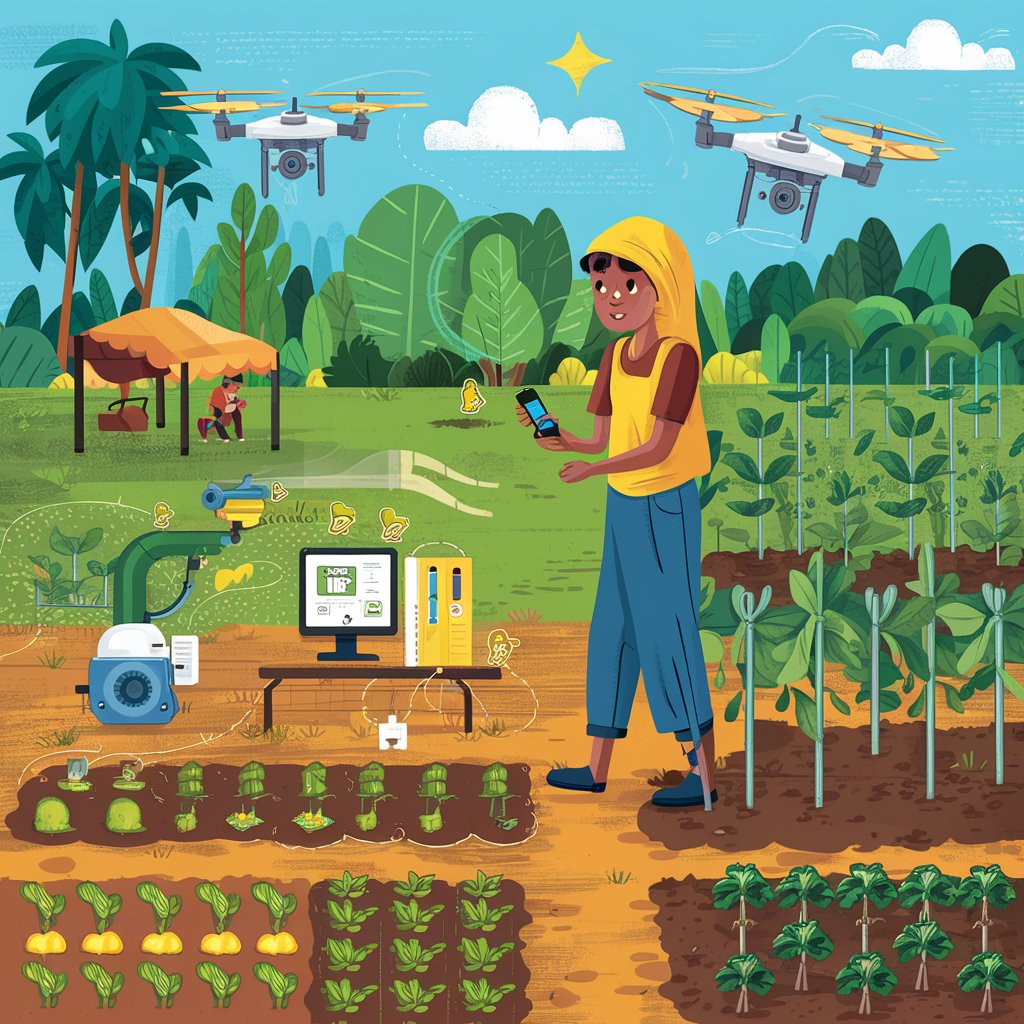


Technology can significantly enhance crop yield and efficiency in agriculture through several key methods: 1. **Precision Agriculture**: Using technologies like GPS, sensors, and drones to precisely monitor and manage crops. This allows farmers to apply fertilizers, water, and pesticides moreRead more
Technology can significantly enhance crop yield and efficiency in agriculture through several key methods:
1. **Precision Agriculture**: Using technologies like GPS, sensors, and drones to precisely monitor and manage crops. This allows farmers to apply fertilizers, water, and pesticides more efficiently, reducing waste and improving crop health.
2. **Data Analytics**: Analyzing data collected from sensors, satellites, and historical records to make data-driven decisions about planting, irrigation, pest control, and harvesting times.
3. **Biotechnology**: Developing genetically modified crops that are more resistant to pests, diseases, and environmental stresses, or that have higher nutritional value and yield.
4. **Automation and Robotics**: Using robots for planting, weeding, harvesting, and sorting crops, which can increase efficiency and reduce labor costs.
5. **Smart Irrigation**: Employing sensors and IoT devices to monitor soil moisture levels and weather conditions in real-time, allowing for precise irrigation scheduling and water conservation.
6. **Vertical Farming and Controlled Environment Agriculture**: Utilizing indoor farming techniques with LED lighting, hydroponics, and aeroponics to grow crops in vertically stacked layers or controlled environments, maximizing space and resources.
7. **Blockchain Technology**: Implementing blockchain for supply chain transparency and traceability, ensuring food safety and quality, and reducing food wastage.
8. **Climate Prediction Models**: Using advanced climate prediction models to anticipate weather patterns and adapt farming practices accordingly, such as adjusting planting dates or selecting more suitable crop varieties.
9. **Mobile Apps and Platforms**: Providing farmers with access to agricultural information, market prices, weather forecasts, and best practices through mobile applications, enabling informed decision-making.
10. **Remote Sensing**: Using satellite imagery and drones to monitor crop health, detect diseases or nutrient deficiencies early, and assess overall field conditions.
By integrating these technological advancements into agriculture, farmers can improve productivity, reduce environmental impact, optimize resource allocation, and ensure food security for a growing global population.
See less