


Agriculture faces escalating challenges from extreme weather events like droughts, floods, heatwaves, and storms due to climate change. To adapt effectively: Diversification of Crops: Planting a variety of crops with different climate tolerances can spread risk. Diversification enhances resilience aRead more
Agriculture faces escalating challenges from extreme weather events like droughts, floods, heatwaves, and storms due to climate change. To adapt effectively:
- Diversification of Crops: Planting a variety of crops with different climate tolerances can spread risk. Diversification enhances resilience against specific weather extremes.
- Improving Water Management: Implementing efficient irrigation techniques, such as drip irrigation and rainwater harvesting, helps conserve water during dry spells and manage excess during floods.
- Enhancing Soil Health: Practices like conservation tillage, cover cropping, and organic amendments improve soil structure, water retention, and nutrient availability, aiding plants in withstanding extreme conditions.
- Utilizing Climate-Resilient Varieties: Adopting crop varieties bred for resilience to heat, drought, or flooding can mitigate impacts of extreme weather on yields.
- Investing in Early Warning Systems: Utilizing weather forecasting and early warning systems helps farmers anticipate and prepare for upcoming extreme weather events, enabling timely decisions on planting, irrigation, and crop protection.
- Promoting Insurance and Risk Management: Encouraging farmers to invest in crop insurance and risk management strategies provides financial security against crop losses due to extreme weather.
By integrating these adaptive strategies, agriculture can better withstand and recover from the increasing frequency and severity of extreme weather events, safeguarding food security and livelihoods in a changing climate.
See less


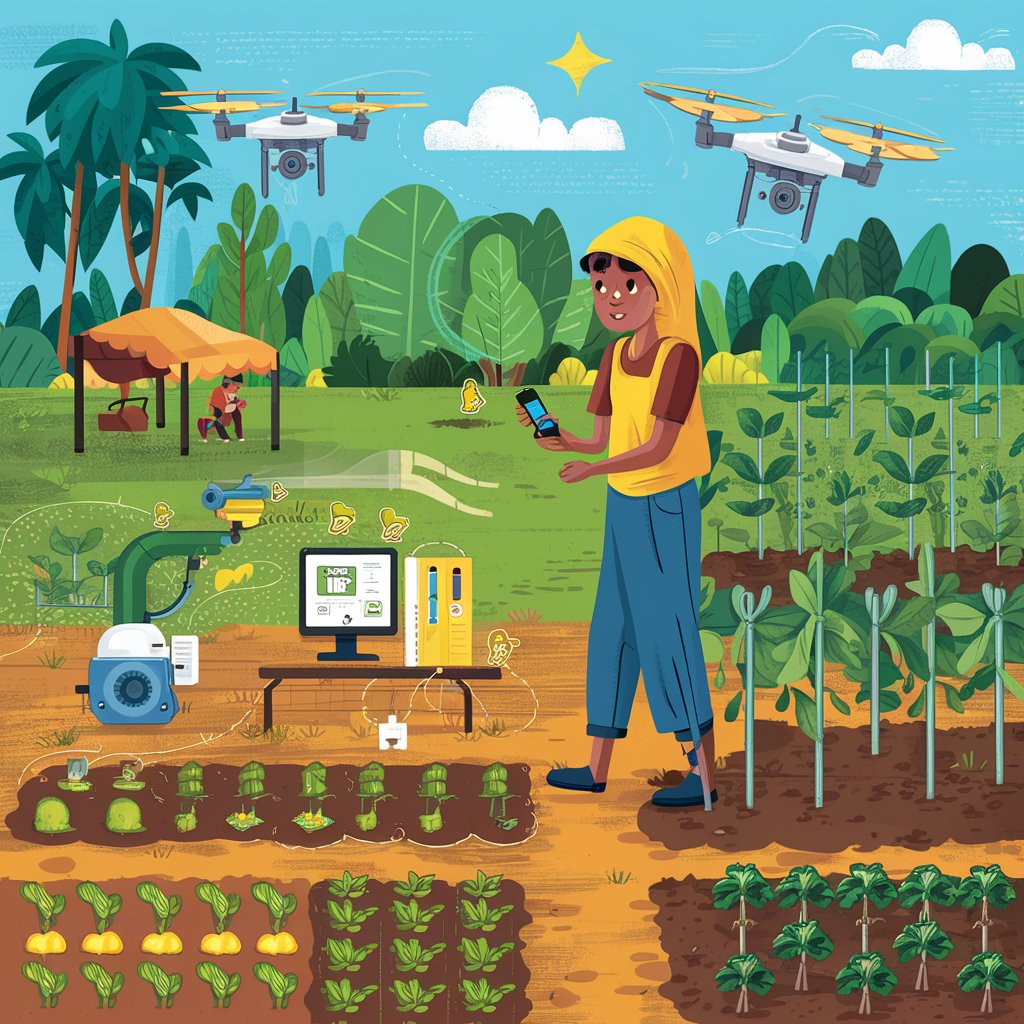


Here are five ways to increase crop yields in agriculture: 1. Precision Farming: Using technology like drones, GPS, and sensors to optimize crop management, reduce waste, and improve resource allocation. 2. Irrigation Management: Implementing efficient irrigation systems and scheduling to reduce watRead more
Here are five ways to increase crop yields in agriculture:
1. Precision Farming: Using technology like drones, GPS, and sensors to optimize crop management, reduce waste, and improve resource allocation.
2. Irrigation Management: Implementing efficient irrigation systems and scheduling to reduce water waste and ensure crops receive the right amount of water.
3. Crop Rotation and Intercropping: Planting a diverse range of crops in rotation and together to improve soil health, reduce pests and diseases, and increase biodiversity.
4. Fertilizer and Pest Management: Using targeted fertilizers and pest control methods to minimize waste and ensure crops receive the necessary nutrients and protection.
5. Genetic Improvement: Developing and planting high-yielding, disease-resistant crop varieties through breeding and genetic engineering to improve crop potential.
These methods can help farmers increase crop yields while reducing waste and environmental impact.
See less