

How do you think the rise of AI in creative fields, such as music and art, will impact the future of human creativity? Are we heading towards a collaborative future or will AI overshadow human artists?


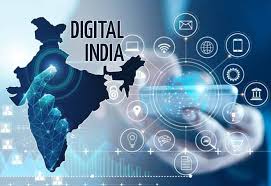
E-governance refers to how governments use information technology, like computers and the internet, to make their services and operations more efficient and accessible to citizens. It's about moving government functions online, from paying taxes to applying for permits, which saves time and reducesRead more
E-governance refers to how governments use information technology, like computers and the internet, to make their services and operations more efficient and accessible to citizens. It’s about moving government functions online, from paying taxes to applying for permits, which saves time and reduces bureaucracy. This approach also helps governments become more transparent by sharing information openly and involving citizens in decision-making through digital platforms.
- Key Aspects of E-Governance:
- E-Services:
Governments offer services online, like applying for IDs or accessing healthcare information. This means citizens can do these tasks from home, which saves trips to government offices and makes services quicker.
- E-Administration:
Inside government, e-governance means using computers to manage things like human resources and budgets. It helps reduce paperwork and makes decision-making faster and more accurate.
- E-Participation:
E-governance encourages citizens to be part of government decisions through websites or social media. People can give feedback on policies or suggest ideas, making governance more inclusive and responsive.
- E-Regulation:
It involves using technology to enforce rules and monitor compliance, like tracking environmental standards or business regulations electronically
- E-Justice:
Some countries use e-governance for legal services, such as filing court documents online or resolving disputes through virtual hearings. It makes legal processes faster and more accessible.
2.Impacts of E-Governance:
- Efficiency and Cost Savings:
By moving tasks online and automating processes, e-governance saves governments money and makes services faster and more reliable.
- Transparency and Accountability:
Sharing information online makes government actions clearer to citizens. It also helps prevent corruption because everything is visible and trackable.
- Convenience for Citizens:
Citizens can access services anytime and from anywhere with an internet connection, which makes government services more convenient and accessible.
- Better Decision-Making:
Governments can use data from online systems to understand problems and make decisions based on real facts and figures.
- Support for Economic Growth:
E-governance helps businesses by making it easier to get licenses, permits, and other necessary paperwork done quickly and efficiently.
3.Challenges:
- Digital Divide:
Not everyone has equal access to computers or the internet, which can make it harder for some people to use e-governance services.
- Cybersecurity Risks:
Keeping government systems safe from hackers and protecting citizens’ personal information is a big challenge in e-governance.
- Resistance to Change:
Some people and parts of government might prefer doing things the old way, which can slow down the adoption of e-governance.
- Legal and Regulatory Issues:
Laws and rules need to catch up with technology to protect people’s rights and ensure fair use of e-governance systems.
- In conclusion, e-governance is about using technology to make government work better for everyone. It improves efficiency, transparency, and citizen participation while also presenting challenges that need to be addressed to make it work for all people and communities.
See less


The rise of AI in creative fields like music and art will likely lead to a collaborative future where AI tools enhance human creativity rather than overshadow it. AI can handle repetitive tasks, offer new perspectives, and generate ideas, freeing artists to focus on more complex, expressive aspectsRead more
The rise of AI in creative fields like music and art will likely lead to a collaborative future where AI tools enhance human creativity rather than overshadow it. AI can handle repetitive tasks, offer new perspectives, and generate ideas, freeing artists to focus on more complex, expressive aspects of their work. While AI will significantly influence creative processes, the unique human touch and emotional depth in art will remain irreplaceable, fostering a synergistic relationship between human artists and AI.
See less