

How can urban planning and design be adapted to mitigate the impacts of climate change in densely populated cities?


Climate change has been significantly affecting the planet over the years in the following ways: Rising Temperatures: Global average temperatures have been steadily increasing since the late 19th century, with the last decade (2011-2020) being the warmest on record. The rate of warming has acceleratRead more
Climate change has been significantly affecting the planet over the years in the following ways:
- Rising Temperatures:
- Global average temperatures have been steadily increasing since the late 19th century, with the last decade (2011-2020) being the warmest on record.
- The rate of warming has accelerated, with the 2010s being the hottest decade ever recorded.
- Warming is more pronounced in certain regions, such as the Arctic, which is warming more than twice as fast as the global average.
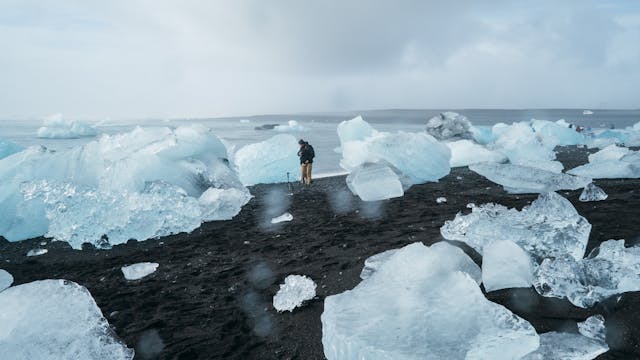
- Melting Ice and Sea Level Rise:
- Arctic sea ice extent has declined rapidly, with the Arctic region experiencing significant ice loss.
- Glaciers around the world have been retreating and losing mass at an accelerated pace, particularly in mountain regions.
- The Greenland and Antarctic ice sheets have been experiencing significant melt and mass loss, contributing to the rise in global average sea levels.
- Global average sea levels have risen by about 8-9 inches (21-24 cm) since 1900, with the rate of rise accelerating in recent decades.
- Extreme Weather Events:
- The frequency, intensity, and duration of extreme weather events, such as heatwaves, droughts, wildfires, floods, and hurricanes, have increased significantly in many regions.
- These extreme events have caused significant damage, disruption, and loss of life in affected communities.
- Shifts in Precipitation Patterns:
- Climate change is altering precipitation patterns, leading to changes in the frequency, intensity, and distribution of rainfall and snowfall around the world.
- Some regions are experiencing more frequent and severe droughts, while others are seeing an increase in heavy precipitation events and flooding.
- Ecosystem and Biodiversity Impacts:
- Climate change is causing significant disruptions to natural ecosystems, leading to the loss of biodiversity, habitat degradation, and the displacement or extinction of many species.
- Coral reefs, tropical forests, Arctic tundra, and other sensitive ecosystems are particularly vulnerable to the effects of climate change.
- Socioeconomic Consequences:
- The impacts of climate change are having far-reaching socioeconomic consequences, including threats to food and water security, human health, infrastructure, and economic stability.
- These effects disproportionately impact vulnerable communities and developing countries.




Urban planning and design can play a crucial role in mitigating the impacts of climate change in densely populated cities. Here are some ways to adapt urban planning and design to address climate change: Resilient infrastructure: Design infrastructure that can withstand extreme weather events, suchRead more
Urban planning and design can play a crucial role in mitigating the impacts of climate change in densely populated cities. Here are some ways to adapt urban planning and design to address climate change:
- Resilient infrastructure: Design infrastructure that can withstand extreme weather events, such as sea-level rise, flooding, and heatwaves. This includes:
- Sea walls and flood protection measures
- Green roofs and green spaces to reduce urban heat island effect
- Durable and adaptable building materials
- Sustainable transportation: Encourage sustainable transportation modes, such as:
- Public transportation systems
- Pedestrian-friendly and bike-friendly infrastructure
- Electric or hybrid vehicles
- Green infrastructure: Incorporate green spaces, such as:
- Parks and gardens
- Green roofs and walls
- Urban forests
- Wetlands and natural habitats
- Water management: Implement effective water management systems to address flooding, stormwater runoff, and droughts:
- Green infrastructure, such as permeable pavements and green roofs
- Stormwater harvesting and reuse systems
- Rain gardens and bioswales
- Climate-resilient housing: Design housing that is resilient to extreme weather events:
- Flood-resistant construction materials and design
- Elevated homes or flood-resistant foundation systems
- Smart home features for energy efficiency and resilience
- Community engagement: Involve local communities in the planning process to ensure that their needs are addressed:
- Public education and awareness campaigns
- Community-led initiatives for climate adaptation and mitigation
- Inclusive decision-making processes
- Adaptive zoning: Update zoning regulations to allow for adaptable and resilient development:
- Zoning for flood-prone areas with flood-resistant construction requirements
- Zoning for mixed-use development with green spaces and community facilities
- Climate-sensitive urban design: Incorporate climate considerations into urban design principles:
- Shading devices and overhangs for buildings to reduce urban heat island effect
- Wind-protected public spaces for improved air quality
See less