


What is a nation’s balance of payments? Describe its different components. (Answer in 200 words)


Access to land is a critical factor for economic growth and poverty reduction. For government, industry, and citizens to be able to use this asset effectively and to minimize land conflicts, digitization can help by improving access to reliable land and property records. Advantages of digitization oRead more
Access to land is a critical factor for economic growth and poverty reduction. For government, industry, and citizens to be able to use this asset effectively and to minimize land conflicts, digitization can help by improving access to reliable land and property records.
Advantages of digitization of land records:
- Reduction in litigations and burden of cases: A NITI Aayog paper suggests that land disputes on average take about 20 years to be resolved. Land disputes add to the burden of the courts and impact sectors and projects that are dependent on these disputed land titles.
- Promoting agricultural credit: Land is often used as collateral for obtaining loans by farmers. Digitization of land records and online creation of equitable mortgages would help in faster disbursement of agriculture credit.
- Development of new infrastructure: The economy of the country is shifting from agrarian to manufacturing and services-based. However, several new infrastructure projects are witnessing delays due to a lack of updated land records.
- Urbanization and housing: Slum dwellers do not have access to a clear land title or ownership rights. Further, since many colonies in which the poor reside are unauthorized, it is difficult for Urban local bodies to provide basic services to them. Easier online approvals of plans and occupancy certificates will provide clarity over ownership status.
- To check benami transactions: Unclear titles and non-updated land records enable carrying out property transactions in a non-transparent way. The Standing Committee on Finance in 2015 noted that the generation of black money through benami transactions could be eliminated by the digitization of land records and their regular updation.
Challenges Faced in Digitization of Land Records:
- Lack of unified legal framework: The system of land records was inherited from the Zamindari system. The legal framework in India does not provide for guaranteed ownership, and how information about land records is collected and maintained further exacerbates the gaps in these records.
- Land unavailability in the development of infrastructure: These delays occur because of non-availability of encumbrance-free land, non-updation of land records, resistance to joint measurement survey of land records, demands for higher compensation by landowners, and filing of large number of arbitration cases by landowners.
- Lack of manpower: One of the major roadblocks in ensuring continuous updation of land records is the lack of skilled manpower in the land record departments of states.
- Poor synergy across land record departments: The Revenue department is the custodian of textual records; the survey and the settlement departments manage the spatial records and the registration department responsible for registering land transactions, lacks synergy in functioning.
- Digital divide: Lack of awareness and digital illiteracy are prevalent, especially in rural areas.
To address these challenges, there is a need for wider adoption of technologies such as geographical information systems, data warehouses, and webs. It would help in making land records management efficient and easier for decision-making, strategy planning, and productive modeling. Also, an online or digital record department could be established for the betterment of online land records maintenance.
See less

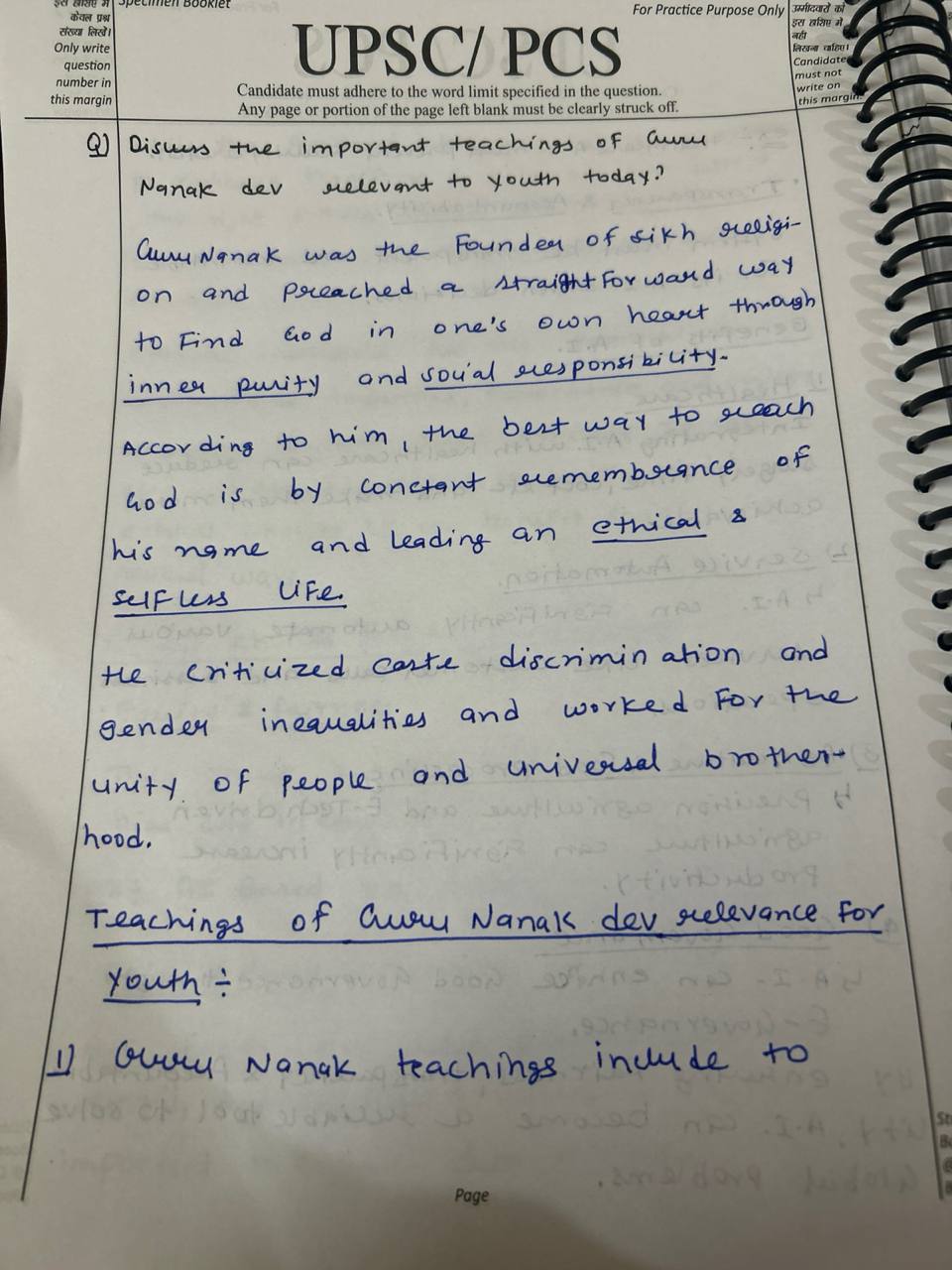
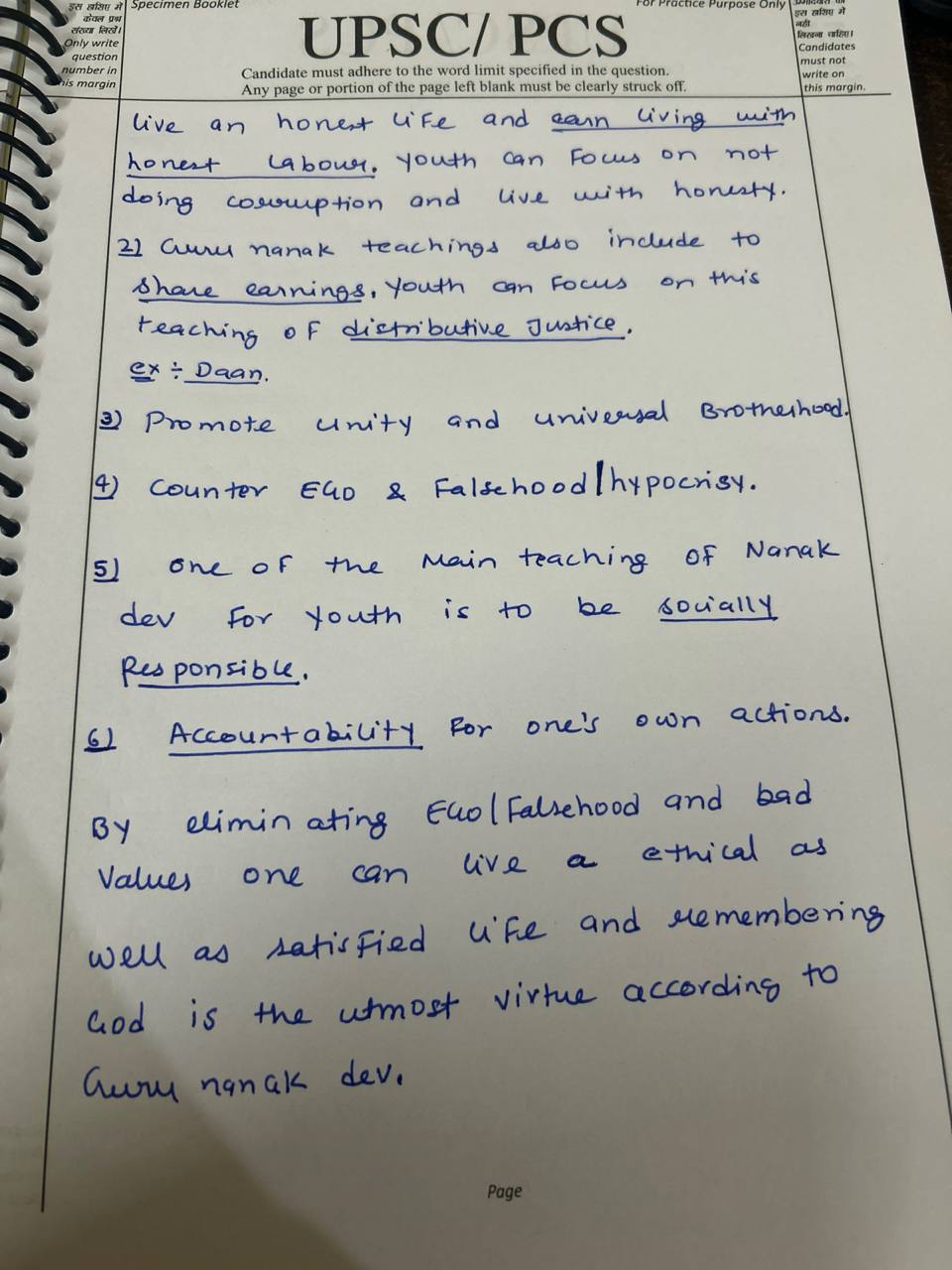


 Impact on the livelihood of small and marginal farmers :


Reserve Bank of India defines Balance of Payments as a statistical statement that summarizes transactions between residents and non-residents of a country over a specific period of time. It provides a comprehensive picture of the country's economic transactions with the rest of the world. ComponentsRead more
Reserve Bank of India defines Balance of Payments as a statistical statement that summarizes transactions between residents and non-residents of a country over a specific period of time. It provides a comprehensive picture of the country’s economic transactions with the rest of the world.
Components of Balance of Payments –
The Balance of Payments is a vital tool that helps countries track their economic transactions with the rest of the world. It provides a comprehensive picture of a country’s trade, investment, and financial transactions.
See less