


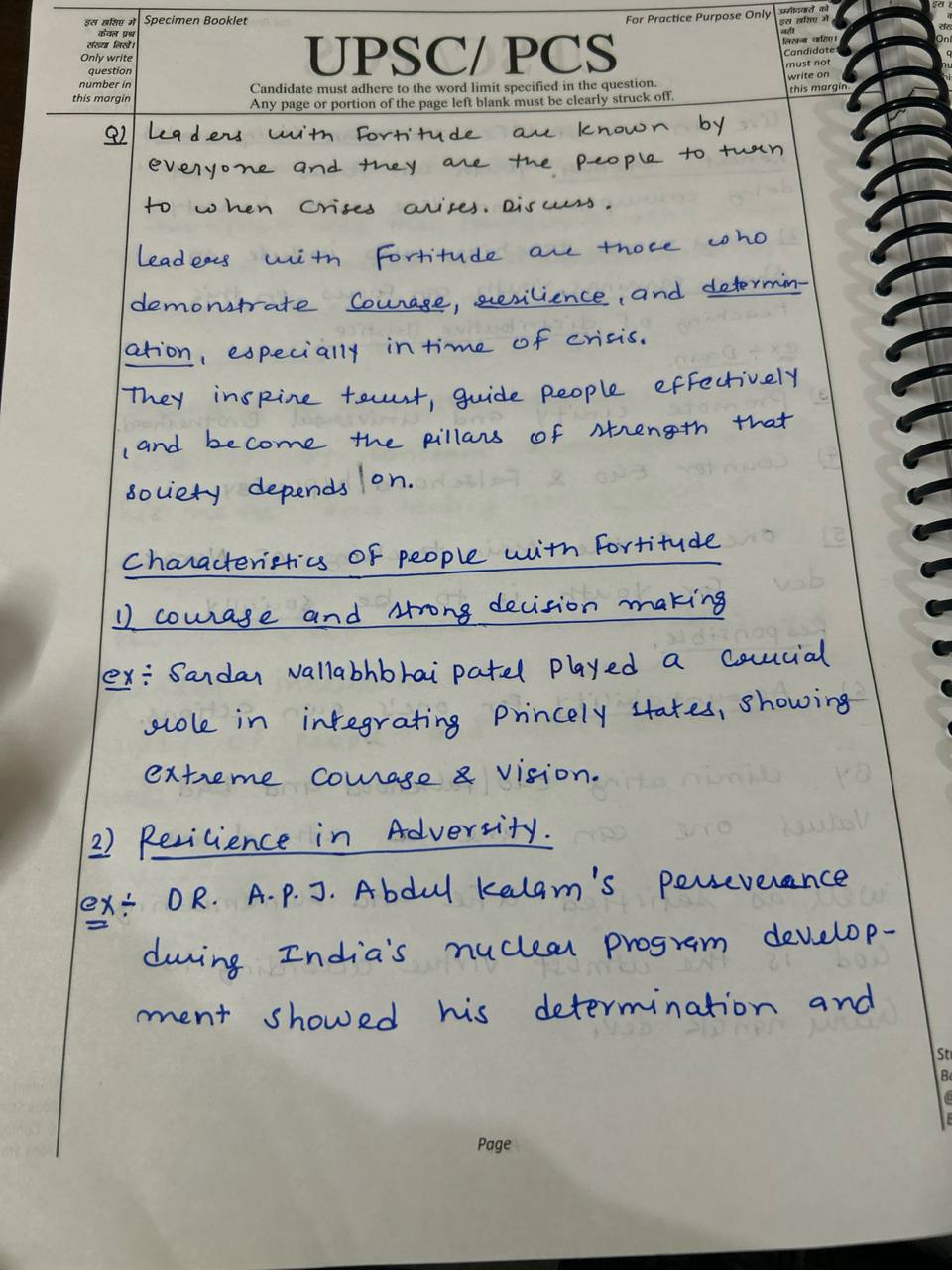
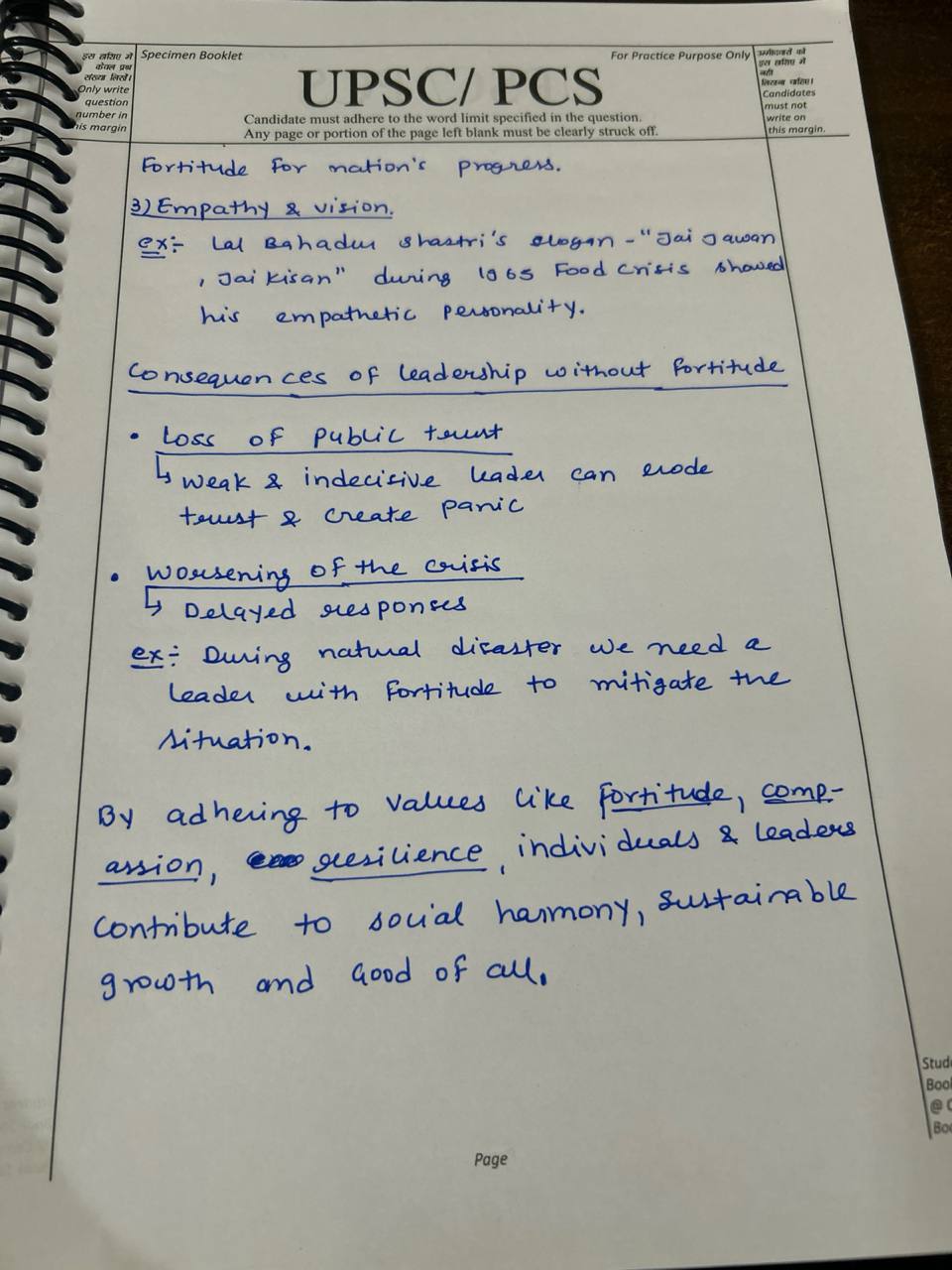
Everyone knows fortitude-filled leaders, and they are the ones you call in times of need. (Answer in 150 words)


Answer: Coal is a sedimentary rock with having high amount of carbon and hydrocarbons. It is combustible in nature and is classified as a non-renewable source of energy. It is found as Anthracite (90-95% Carbon content), Bituminous (60-80% Carbon content), Lignite (40-45% Carbon content) and Peat (Read more
Answer: Coal is a sedimentary rock with having high amount of carbon and hydrocarbons. It is combustible in nature and is classified as a non-renewable source of energy. It is found as Anthracite (90-95% Carbon content), Bituminous (60-80% Carbon content), Lignite (40-45% Carbon content) and Peat (>40% Carbon content). Coal is the most important and abundant fossil fuel present in India. It accounts for more than 50% of India’s energy needs. The coal-bearing strata of India are geologically classified into two main categories, viz., Gondwana coal fields and Tertiary coal fields.
- Gondwana Coal Fields: It comprises about 98 percent of the total reserves and 99 percent of the production of coal in India. In this system, there are 113 major coal fields found all over India. Gondwana coal is said to be about 250 million years old. Such fields are exclusively found in the peninsular region.
- Tertiary Coal Fields: This rock system bears coals of younger age; from 15 to 60 million years. It shares only about 1% of the total coal production in India.
Distribution and production of Gondwana coal in India:
- Jharkhand: It has over 28 percent of the coal reserves and produces more than 20 percent of coal in India. There are 21 prominent coal fields in Jharkhand among which Jharia, Bokaro, and Rajmahal coalfields are famous.
- Odisha: It is the second largest state with regard to coal reserves possessing 24.64 percent of the total reserves of India but is the third largest producer of coal contributing about 19 percent of the total coal production of the country. Talcher coalfields are one of the major •deposits.
- Chhattisgarh: It has 16 percent of the coal reserves and produces over 21 percent of coal in India. Most of the coal fields of Chhattisgarh are located in the northern part of the state. Major coal fields include Korba and Tatapani.
- West Bengal: It has over 11 percent of the coal reserves of the country but produces just over 4 percent of India’s coal. Raniganj is the largest coalfield in West Bengal.
- Madhya Pradesh: It has about 8 percent of the coal reserves but contributes about 13 percent of the total coal production of India. Currently, Madhya Pradesh is the fourth largest coal-producing state of India. Major coalfields include Singrauli and Jhingurda.
- Andhra Pradesh and Telangana: With only 7 percent of the reserves Andhra Pradesh and Telangana produce about 10 percent of India’s coal. Most of the coal reserves are in the Godavari Valley (Singreni coalfields).

- Maharashtra: It has only 3 percent reserves, but accounts for over 7 percent of the production of coal in India. Kamptee Coalfields has the major coal deposits.
Distribution and production of Tertiary Coal in India: This type of coal is present in Assam (Makum, Nazira, Mikir Hills), Meghalaya (Garo, Khasi, and Jaintia hills), Arunachal Pradesh (Namchick-Namrup coalfield), Jammu and Kashmir (Udhampur and Kalakot area) and in the Chamba district of Himachal Pradesh. There has also been a phenomenal increase in the production of lignite coal in India. Although lignite deposits are found in Tamil Nadu, Gujarat, Jammu and Kashmir, Kerala, Rajasthan, West Bengal, and Puducherry; Tamil Nadu (Neyveli coalfields) account for 90% of lignite reserves.
See less


See less